China Enters the Brain-Computer Race
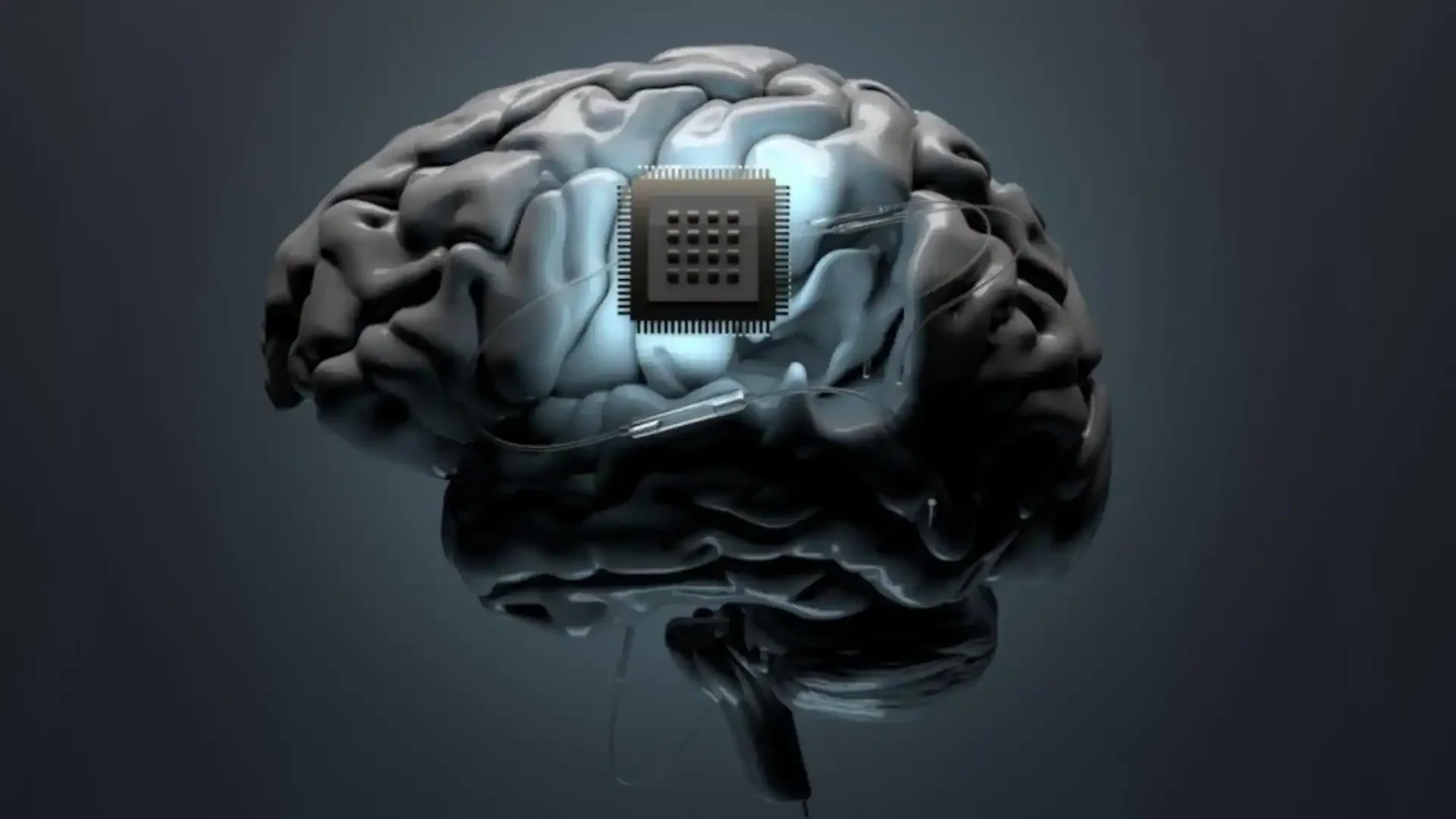
China has announced plans to build a full-fledged Brain-Computer Interface (BCI) industry, a technology that translates neural signals into digital commands using advanced AI algorithms. The initiative is part of Beijing’s broader national strategy to strengthen leadership in biotechnology and artificial intelligence, positioning itself against the United States, where companies like Elon Musk’s Neuralink are pushing similar breakthroughs.
Background and Future Impact
Beijing aims to apply BCI across healthcare, neuro-rehabilitation, and even defense, with experts suggesting the technology could redefine how humans interact with machines. At the same time, the move raises ethical concerns over privacy and the handling of neural data. China has yet to reveal specific investment figures or market targets, leaving open questions about how quickly these ambitions can translate into large-scale practical applications.
📌 Summary
China is building a Brain-Computer Interface industry, using AI to decode brain signals for medical, tech, and defense uses. The plan highlights China’s ambition to rival the US in advanced neurotech, though ethical concerns and practical challenges remain.