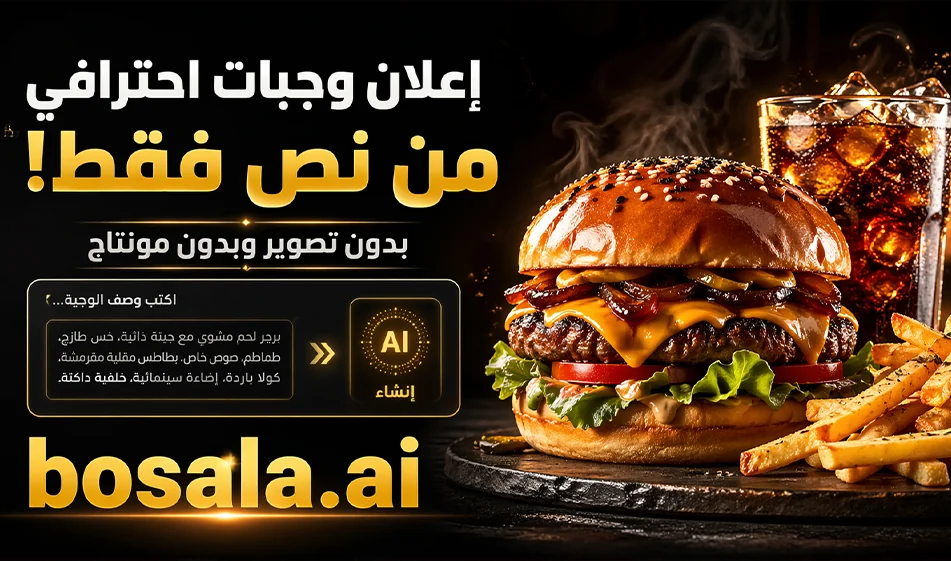
How to Create Professional Ads for Food and Restaurants Using Only Text via MindVideo AI?
QuickSummaryCreating a professional ad for a meal like a burger, pizza, or drinks no longer requires actual filming inside the restaurant or complex post-production editing. With MindVideo AI , you can convert a text prompt directly into an engaging promotional video. Simply choose the aspect ratio (portrait or landscape) and click the "Generate" button to get a ready-to-use video with a professional visual style suitable for restaurants and fast food.
OverviewMany restaurant owners and content creators want impactful ads for items like burgers, pizza, and mojitos, but they don’t have the time for filming, the budget for a full production team, or the desire to go through a lengthy editing process. This is where text-to-video tools come in handy, especially MindVideoAI, which lets you create a video based solely on a description. The idea is simply that you write the scene as you imagine it: the fire, the melted cheese, the sauce being poured, the camera movement, the restaurant’s layout, and even the sound of grilling or the surrounding atmosphere, then let the tool generate the video based on that description.
Website:
MindVideo AI
What makes this method unique?
The most important feature of this method is that you don’t start with the camera, but with the idea itself. Instead of setting up equipment, adjusting lighting, shooting multiple takes, and then editing them together later in post-production software, you can start here with a carefully written description.The more precise the description, the closer the result will be to what you want.
This is why this method is ideal for food commercials, as this type of advertising relies on sensory details such as the heat of the grill, the shine of the cheese, the steam rising from the food, the pouring of sauce, camera movement, and the overall atmosphere of the location.
How does this feature work in MindVideo AI?
The process on the website is simple and straightforward. Go to the “Text to Video” section, then paste the prompt that describes the ad scene in detail. After that, choose the appropriate aspect ratio.
If you want a video for platforms like Reels, Shorts, and TikTok, the 9:16 aspect ratio is best. If you want a horizontal version for websites, screens, or general ads, the widescreen aspect ratio is the better choice. Then click the "Generate" button, and the site will create the video immediately.
Prompts:
1) Cheeseburger Prompt
From the flame to the finished sandwich
Create a 10-second vertical 9:16 cinematic realistic commercial video for a modern fast-food restaurant in Egypt named "Bosala". Keep the brand identity consistent: a stylish contemporary restaurant interior, warm inviting lighting, premium fast-food presentation, and the English word "Bosala" clearly visible on the wall signage and on the takeaway bag and packaging. Use dynamic fast cuts, cinematic camera motion, realistic food textures, premium ad style, no extra text on screen, no subtitles.
Scene: premium cheeseburger preparation sequence in a professional fast-food kitchen inside Bosala. Use energetic fast-cut editing and varied camera angles.
Shot sequence:
0-2s: extreme close-up of burger patties hitting a hot grill, dramatic flame flare rising, sizzling fat, macro grease shine, fast handheld push-in, cinematic heat and smoke.
2-4s: overhead top shot of the patty being flipped, melted cheese placed on top, then a close-up side angle as the cheese melts smoothly over the meat.
4-6s: close-up of toasted burger buns, sauce being spread, lettuce, tomato slices, pickles added in quick stylish cuts, shallow depth of field, crisp realistic textures.
6-8s: hero assembly shot, patty placed onto the bun, cheese stretching slightly, top bun lands in a beautiful slow, controlled motion, fast punch-in camera movement.
8-10s: final beauty shot of the finished cheeseburger on branded Bosala paper, with fries beside it, slight orbit camera move, warm light, steam rising, and the "Bosala" wall sign softly visible in the background.
Audio: only sizzling grill, flame burst, burger assembly sounds, subtle kitchen ambience. No music.
2) Pizza Prompt
From rolling out the dough to the oven and slicing
Create a 10-second vertical 9:16 cinematic realistic commercial video for a modern fast-food restaurant in Egypt named "Bosala". Keep the brand identity consistent: a stylish contemporary restaurant interior, warm inviting lighting, premium fast-food presentation, and the English word "Bosala" clearly visible on the wall signage and on the takeaway bag and packaging. Use dynamic fast cuts, cinematic camera motion, realistic food textures, premium ad style, no extra text on screen, no subtitles.
Scene: pizza-making commercial sequence in Bosala kitchen, highly appetizing, fast cuts, realistic cinematic food styling.
Shot sequence:
0-2s: overhead shot of fresh pizza dough being stretched and spun by the chef, flour dust flying in the air, fast dynamic top angle, bright kitchen lighting.
2-4s: close-up of rich tomato sauce being spread in a circular motion, followed by shredded cheese falling beautifully in macro detail.
4-6s: rapid cuts of toppings being added: olives, peppers, mushrooms, pepperoni or beef toppings, with dramatic close-ups and quick push-ins.
6-8s: wide-to-close transition of the pizza going into a glowing hot oven, cheese bubbling, crust rising, golden edges, heat waves visible.
8-10s: top shot of the baked pizza on a wooden board, a cutter slicing through it, cheese stretch visible, finishing with a cinematic close-up beauty shot and a Bosala-branded pizza box nearby, while the "Bosala" sign is visible in the restaurant background.
Audio: dough slap, flour motion, sauce spread, topping drops, oven sound, pizza slicing. No music.
3) Mojito Prompt
Preparing a refreshing mojito in a luxurious, commercial-style video
Create a 10-second vertical 9:16 cinematic realistic commercial video for a modern fast-food restaurant in Egypt named "Bosala". Keep the brand identity consistent: a stylish contemporary restaurant interior, warm inviting lighting, premium fast-food presentation, and the English word "Bosala" clearly visible on the wall signage and on the takeaway bag and packaging. Use dynamic fast cuts, cinematic camera motion, realistic food textures, premium ad style, no extra text on screen, no subtitles.
Scene: refreshing mojito preparation sequence at Bosala, premium beverage ad style, clean and vibrant.
Shot sequence:
0-2s: macro close-up of fresh mint leaves, lemon slices, and ice cubes dropped onto a counter in fast rhythmic cuts, water droplets sparkling.
2-4s: top shot of mint and lime being muddled in a tall glass, camera quickly tilts down into the glass, highly refreshing detail.
4-6s: close-up side angle of crushed ice filling the glass, then fizzy liquid being poured in slow controlled motion, bubbles rising beautifully.
6-8s: dramatic close-up of the drink being stirred, mint leaves swirling, condensation forming on the outside of the glass, slight orbit camera move.
8-10s: final hero shot of the finished mojito on the table with a lemon garnish and mint crown, branded Bosala cup sleeve or coaster visible, and the "Bosala" sign softly visible in the restaurant background.
Audio: ice dropping, liquid pouring, fizzing, stirring, fresh bar ambience. No music.
4) Prompt for serving inside the restaurant, then a selfie inside the restaurant, then at the Pyramids
Burger + Pizza + Mojito + The Two Girls + Restaurant Bag
Create a 10-second vertical 9:16 cinematic realistic commercial video for a modern fast-food restaurant in Egypt named "Bosala". Keep the brand identity consistent: a stylish contemporary restaurant interior, warm inviting lighting, premium fast-food presentation, and the English word "Bosala" clearly visible on the wall signage and on the takeaway bag and packaging. Use dynamic fast cuts, cinematic camera motion, realistic food textures, a premium ad style, no extra text on screen, and no subtitles.
Scene: two young, beautiful Egyptian women—one wearing a stylish hijab and the other also elegant and modern—sitting inside the Bosala restaurant in a cheerful, friendly atmosphere. The ad should feel lively, youthful, premium, and authentic.
Shot sequence:
0-2s: wide shot inside Bosala restaurant, waiter sets down a cheeseburger, pizza, and mojito on the table, the "Bosala" neon sign is clearly visible on the wall behind them, warm modern Egyptian restaurant vibe.
2-4s: close-up cuts of the girls reacting happily, smiling, admiring the food, one taking a sip of mojito, the other pulling a pizza slice with visible cheese stretch, then a quick close-up of the burger.
4-6s: medium close shot of both girls laughing and eating, then they lean together and take a selfie inside the restaurant, phone visible, joyful natural expressions, slight handheld camera energy.
6-8s: fast transition to an outdoor cinematic lifestyle shot near the Pyramids of Giza, golden light, both girls smiling and posing for a selfie while holding a Bosala takeaway bag with the English name clearly visible.
8-10s: final hero lifestyle shot, the two women walking happily with the Bosala bag near the pyramids, turning toward the camera with bright smiles, ending on the bag and their joyful expressions, premium travel-food ad vibe.
Audio: restaurant ambience, light laughter, plate movement, sipping, soft footsteps, outdoor ambience near the pyramids. No music.
5) Optional additional prompt
Final shot unifying the brand
If you’d like to create a fifth closing shot that ties the entire ad together:
Create a 10-second vertical 9:16 cinematic realistic commercial video for a modern fast-food restaurant in Egypt named "Bosala". Keep the brand identity consistent: a stylish contemporary restaurant interior, warm inviting lighting, premium fast-food presentation, and the English word "Bosala" clearly visible on the wall signage and on the takeaway bag and packaging. Use dynamic fast cuts, cinematic camera motion, realistic food textures, and a premium ad style—no extra text on screen and no subtitles.
Scene: final brand hero sequence for Bosala. Start with a wide cinematic shot of the restaurant exterior at night in Egypt, with warm lights glowing and the "Bosala" sign visible. Cut rapidly to hero shots of a cheeseburger, pizza, and mojito in glossy, premium lighting. Then show the branded takeout bag on a table, followed by a quick lifestyle shot of the two girls smiling inside the restaurant. End with a powerful product lineup shot: burger, pizza, mojito, and Bosala bag arranged beautifully on the table, slight orbiting camera movement, steam and freshness visible, with the Bosala wall sign in the background.
Audio: subtle ambient sounds, food sounds, packaging sounds, gentle restaurant atmosphere. No music.
Why is this approach suitable for restaurant ads?
Because it gives you the ability to build a complete ad from text alone, without needing a photographer, studio, or post-production editing. This is very important in the food industry, because the success of an ad depends on minute details: the grill, the fire, the shine of the sauce, the steam, the melting, the slicing, and the camera movement that creates a sense of hunger and appeal.
This method is also ideal for restaurant owners who want to quickly test many ideas or produce multiple ads for different dishes without needing a full day of filming for each item.
Is it really possible to create a full advertisement using only text?
Yes, and that is the essence of the idea. The prompts I sent are structured in a very professional advertising style; they don’t just mention the food item, but describe the sequence of shots from start to finish, specifying camera angles, movement style, the texture of the food, lighting, the restaurant’s identity, and even the sounds required within the scene.
The cheeseburger prompt, for example, starts with a very close-up shot of the meat touching the grill as flames rise and the fat sizzles, then moves to a shot of flipping the patty and placing the cheese on top, followed by shots of preparing the bun, sauce, lettuce, tomato, and pickles, followed by a shot of the sandwich being assembled in a dramatic fashion, leading up to a final shot showing the burger alongside fries within the restaurant’s setting.
The pizza promo starts with rolling out the dough and sprinkling flour, then spreading the sauce and cheese, followed by the toppings, then the pizza going into the oven, then coming out and being sliced with a mouthwatering final shot. As for the mojito prompt, it builds a refreshing drink ad that starts with mint, lemon, ice, and a few drops of water, then muddling in the glass, followed by pouring in the ice and sparkling liquid, stirring the drink, and ending with a luxurious shot of the finished drink.
What prompts are included in this package?
This package doesn’t rely on just one shot; instead, it builds a complete ad in stages. It includes a prompt for a cheeseburger, a prompt for pizza, a prompt for a mojito, a prompt focusing on the customer’s experience inside the restaurant followed by a transition to an outdoor lifestyle shot, and a fifth optional prompt that unifies the entire brand in a final shot featuring the burger, pizza, mojito, and the restaurant’s logo.
The social scene shot, in particular, adds a very important dimension, because it doesn’t just showcase the food—it conveys the entire experience: two girls sitting inside the restaurant, placing their orders at the table, happily interacting with the food, taking a selfie inside the restaurant, and then moving outside with the restaurant’s bag. This type of scene elevates the value of the ad because it transforms the brand from mere food into a social and lifestyle experience.
How do you use prompts correctly?
The best approach is not to view the prompt as a mere general description, but rather as a complete production script. In every prompt, you have a consistent visual identity for the restaurant, the brand name visible both inside the venue and on the packaging, a specific filming style, a chronological sequence of scenes, and appropriate sound effects—with a clear note not to add text on screen or subtitles within the video. This makes it ready to copy and paste directly into the tool.
Practically speaking, you copy the desired prompt as-is, then paste it into the text field in the generation tool. After that, you specify whether you want the video in portrait or landscape orientation. The current prompts are originally written in 9:16 portrait format, which is very suitable for Reels and Shorts. If you want a horizontal version, you can simply change the aspect ratio in the prompt from 9:16 to 16:9 before pasting, then generate the horizontal version.
Why does the result look professional even without editing?
The reason is that the prompts themselves are written in a ready-to-shoot format. They include descriptions of quick cuts, camera angles, cinematic movement, close-ups, wide shots, and subtle panning. This means you’re not just describing the food, but also the presentation style itself, which is why the video comes out looking like a pre-produced commercial.
What is the best use for portrait and landscape aspect ratios?
The 9:16 vertical aspect ratio is best if your goal is to post on Instagram Reels, TikTok, and YouTube Shorts. This aspect ratio gives the food a prominent presence on the screen and makes close-ups more impactful, especially in ads for burgers, pizza, and drinks.
The landscape aspect ratio, on the other hand, is suitable for various uses such as website pages, in-restaurant screens, horizontal ads, or wider promotional videos. Therefore, you can use the same prompt more than once and produce two different versions of the same idea depending on the platform you want to post on.
Is this method suitable for restaurant owners and content creators?
Yes, absolutely. It’s ideal for a restaurant owner who wants to showcase their menu professionally without recurring photography costs, for a content creator who wants to produce a quick and engaging ad without editing, and for a marketer who wants to test multiple ad concepts in a short time.
The practical advantage here is that you can create an ad for burgers today, then pizza tomorrow, then drinks or the restaurant’s overall atmosphere on another day—all through ready-made, organized prompts.
Why does this idea suit Bousla?
Because it offers a direct, clear, and easy-to-implement solution. The idea isn’t theoretical—it’s very practical: copy the prompt, choose the format, click “Generate,” and get the finished video. This type of tutorial is very suitable for the Bousla audience, as it combines speed, utility, and tangible results.
The prompts included here are also powerful enough to serve as an excellent starting point for any restaurant looking to create compelling text-based ads for its products—whether for burgers, pizza, drinks, or the in-restaurant customer experience.
Conclusion
Today, you can create a professional video ad for a meal like a burger, pizza, or mojito without filming or traditional editing—simply by copying a professionally written prompt into MindVideoAI, selecting the portrait or landscape orientation, and clicking the generate button. The prompts I sent strongly support this approach, because they don’t just describe the food—they outline the entire ad’s language, from camera angles to the final shot of the logo. So, if you want powerful, quick visual content for your restaurant, this method is one of the easiest and most effective ways to go.