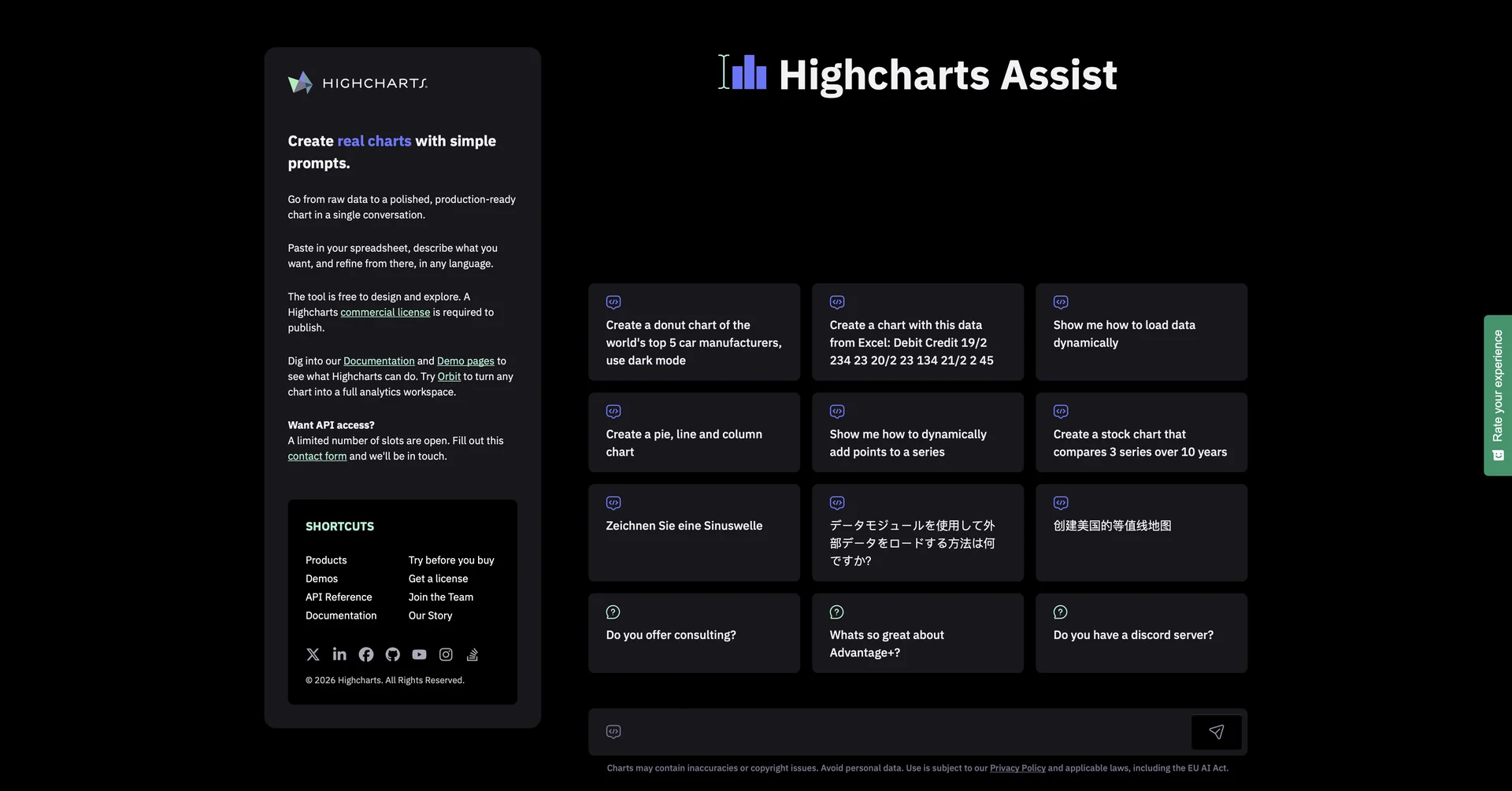
Highcharts
Create charts instantly with natural language.
1,803 results
Open the Data & Analytics category page
Create charts instantly with natural language.
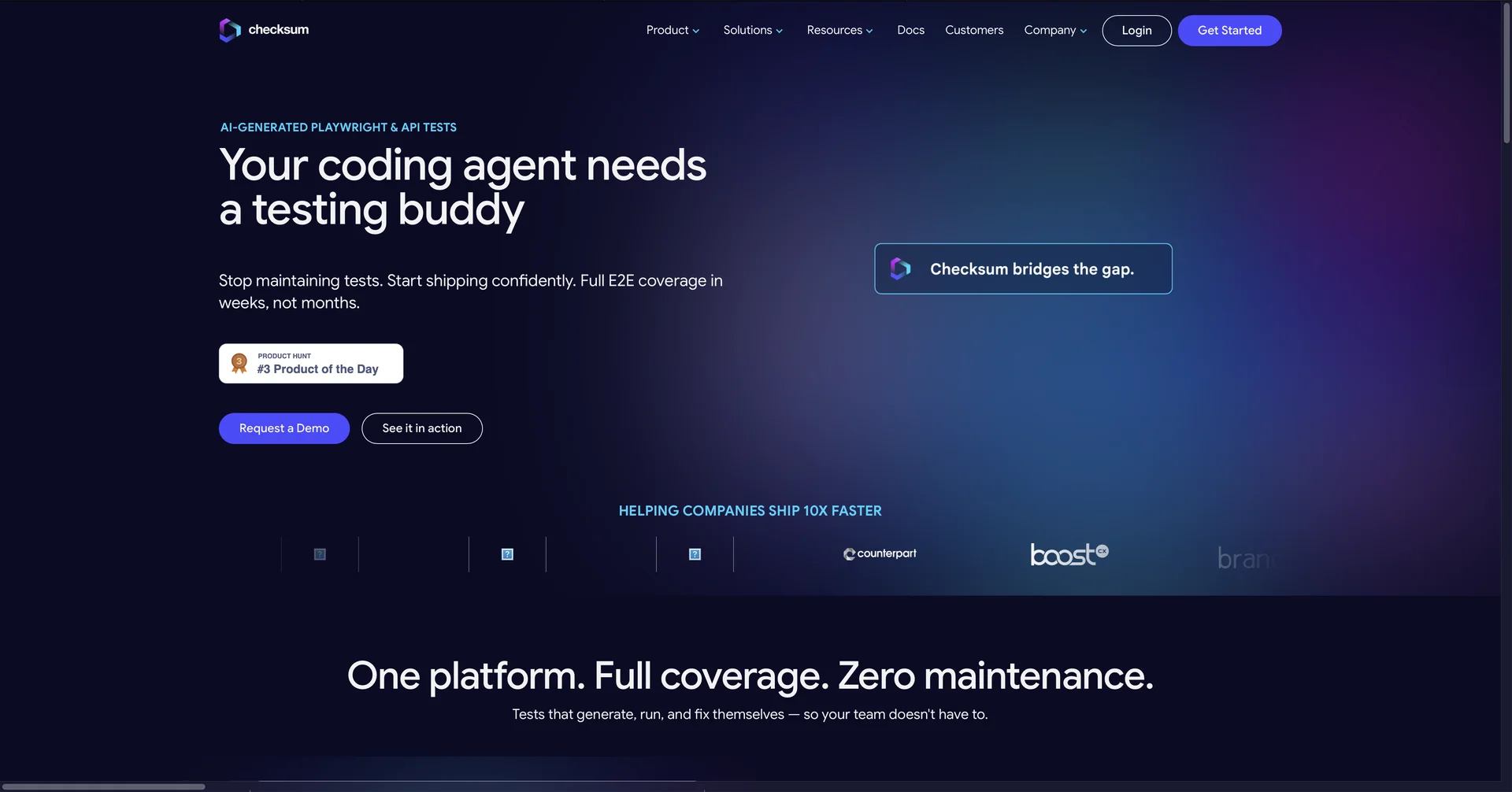
AI-powered E2E test automation from user sessions.

Answer any market research question instantly
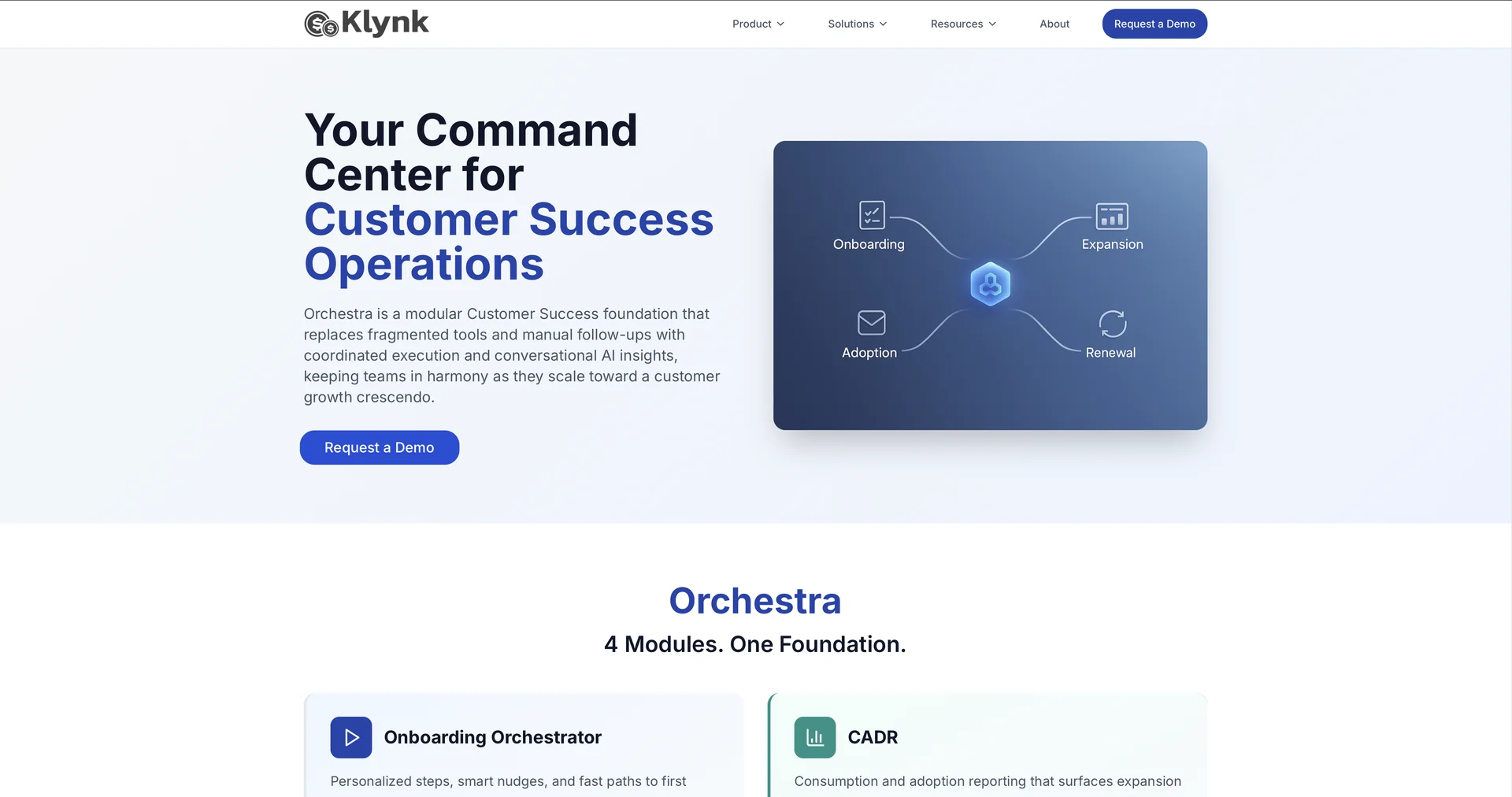
AI-powered email campaigns that win customers in minutes.
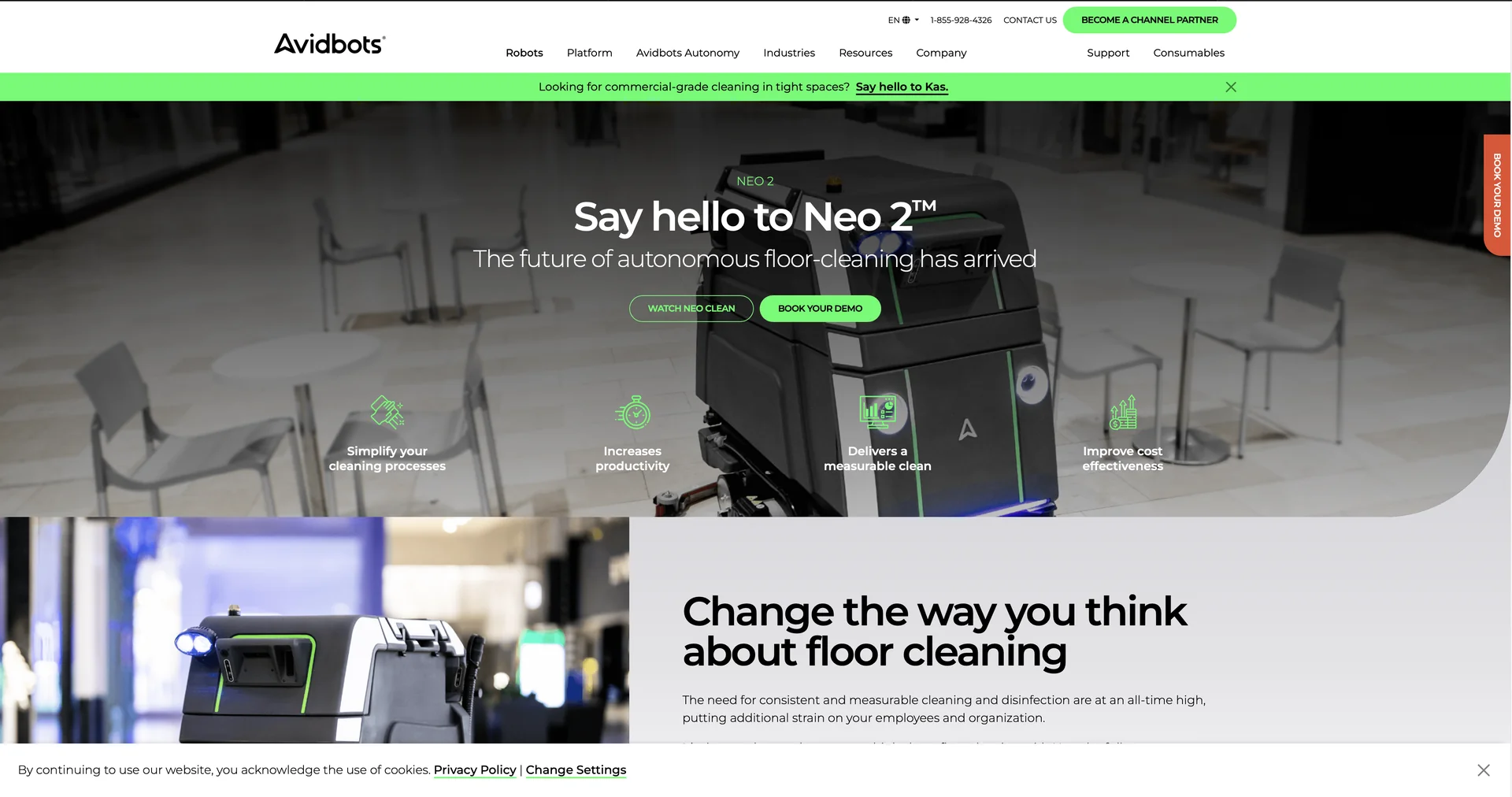
Fully autonomous floor scrubbing robot for cleaning operations.
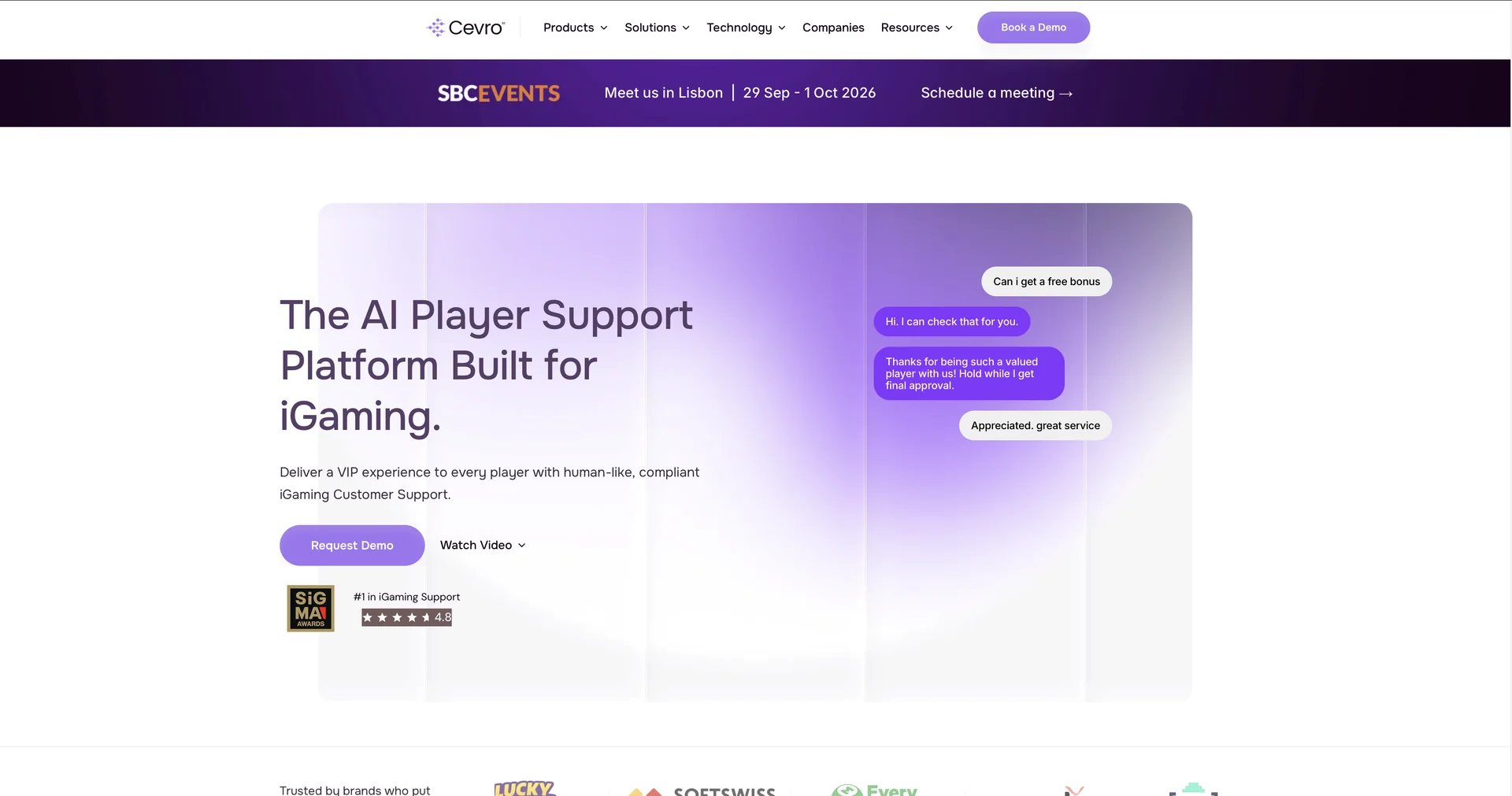
Transform customer engagement with conversational AI.

Unlock enterprise content value with secure AI.
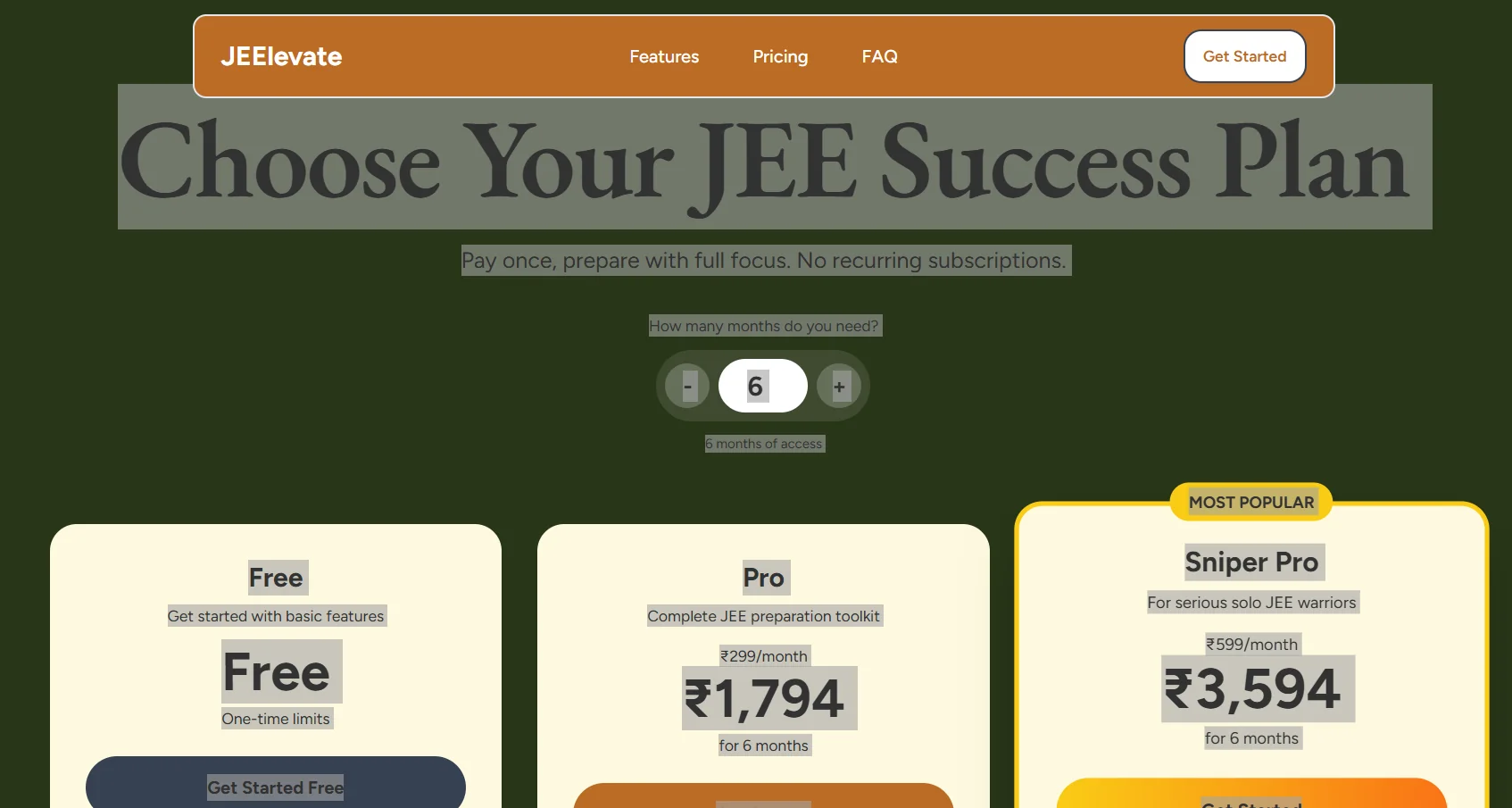
JEElevate offers an AI-powered learning platform designed to help students prepare for the JEE Main and JEE Advanced exams, combining personalized study plans, instant question-answering, practice tests, performance analytics, and a question bank. The platform uses the student’s level, available time, and target score to create personalized weekly study plans, with intelligent topic sequencing and adjustments based on progress and performance. It also provides a complete JEE curriculum for free, with the option to request curriculum updates.
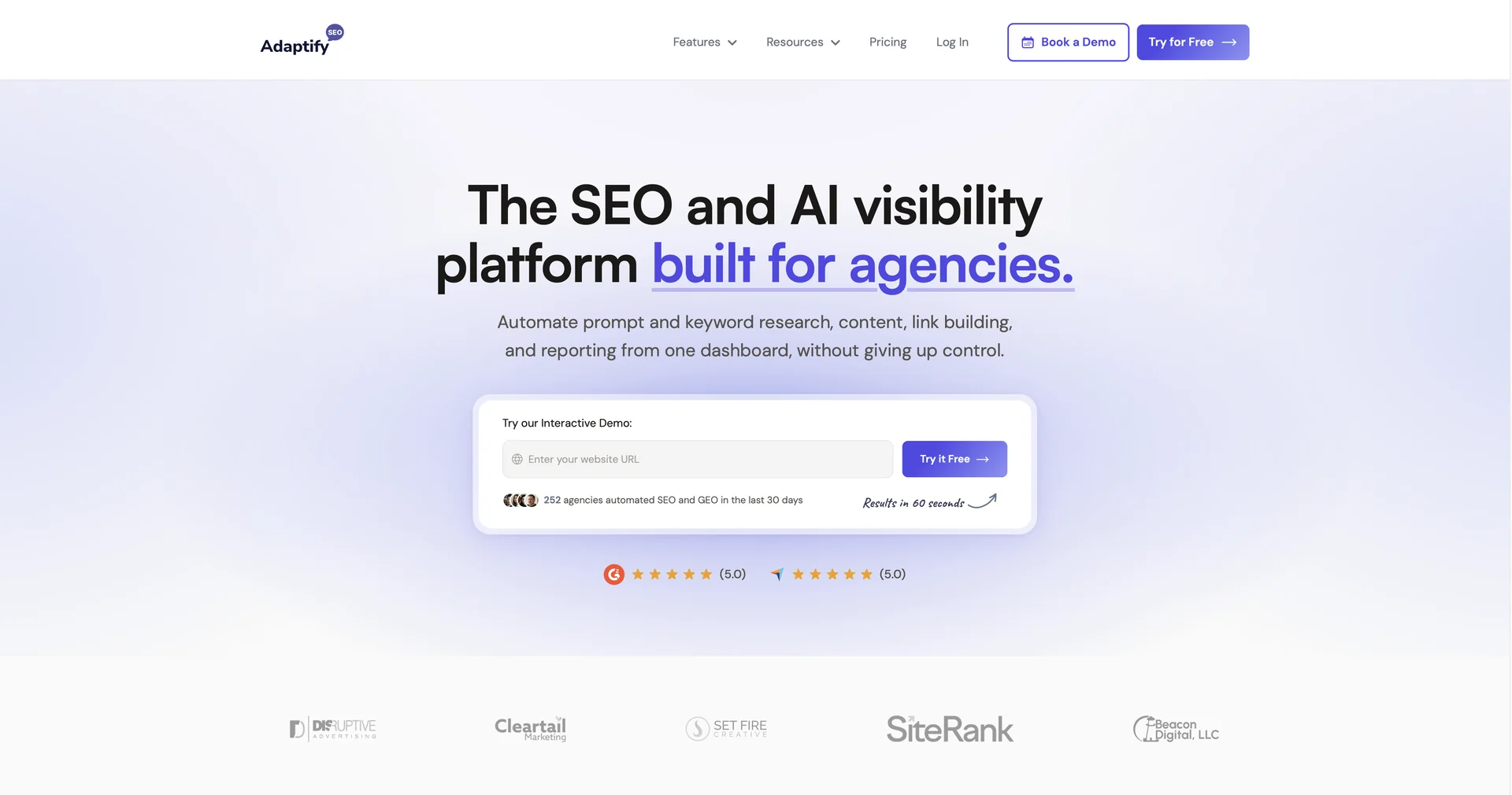
Get business-ready ChatGPT results instantly
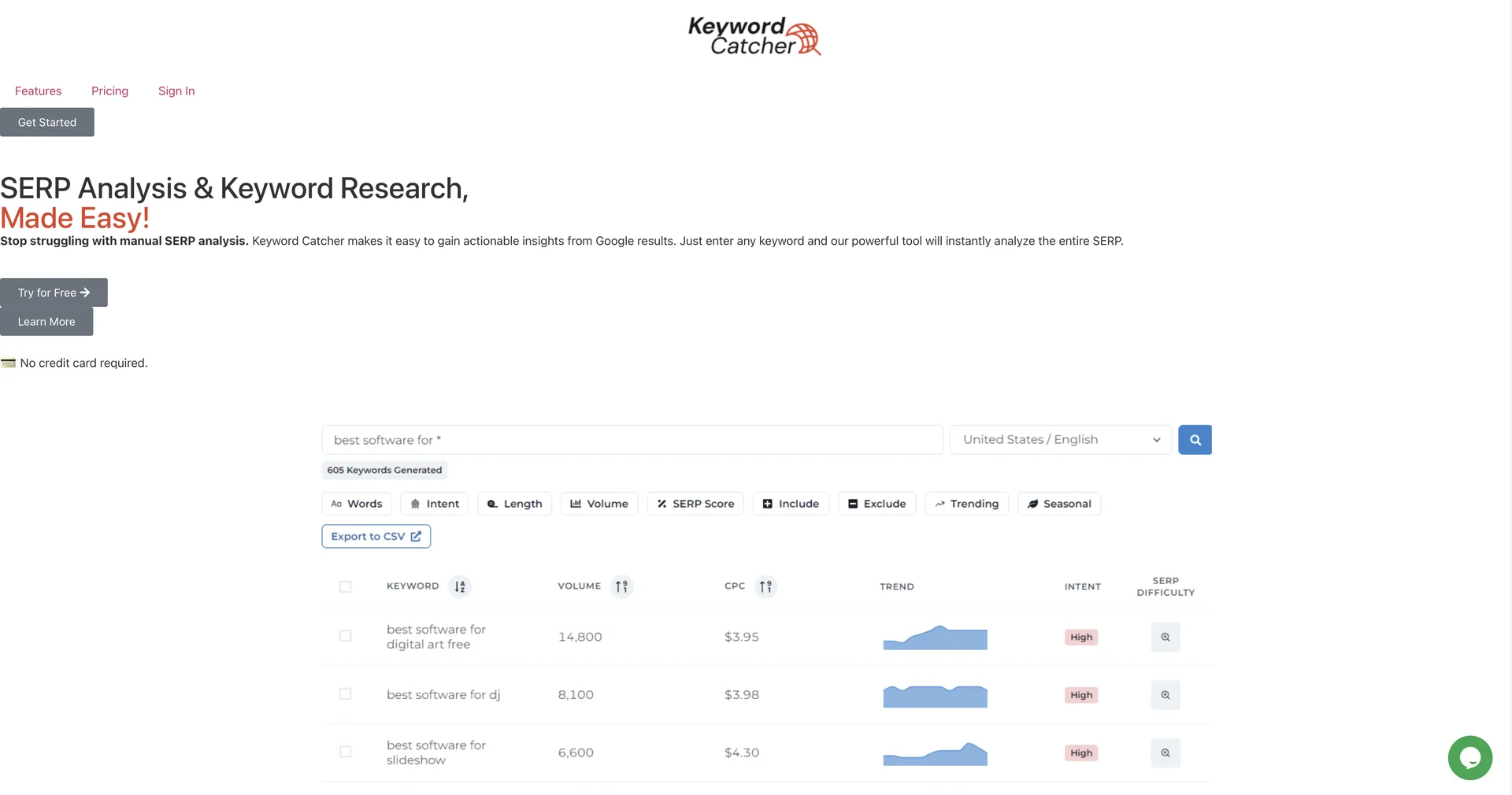
One-click SERP analysis for actionable insights
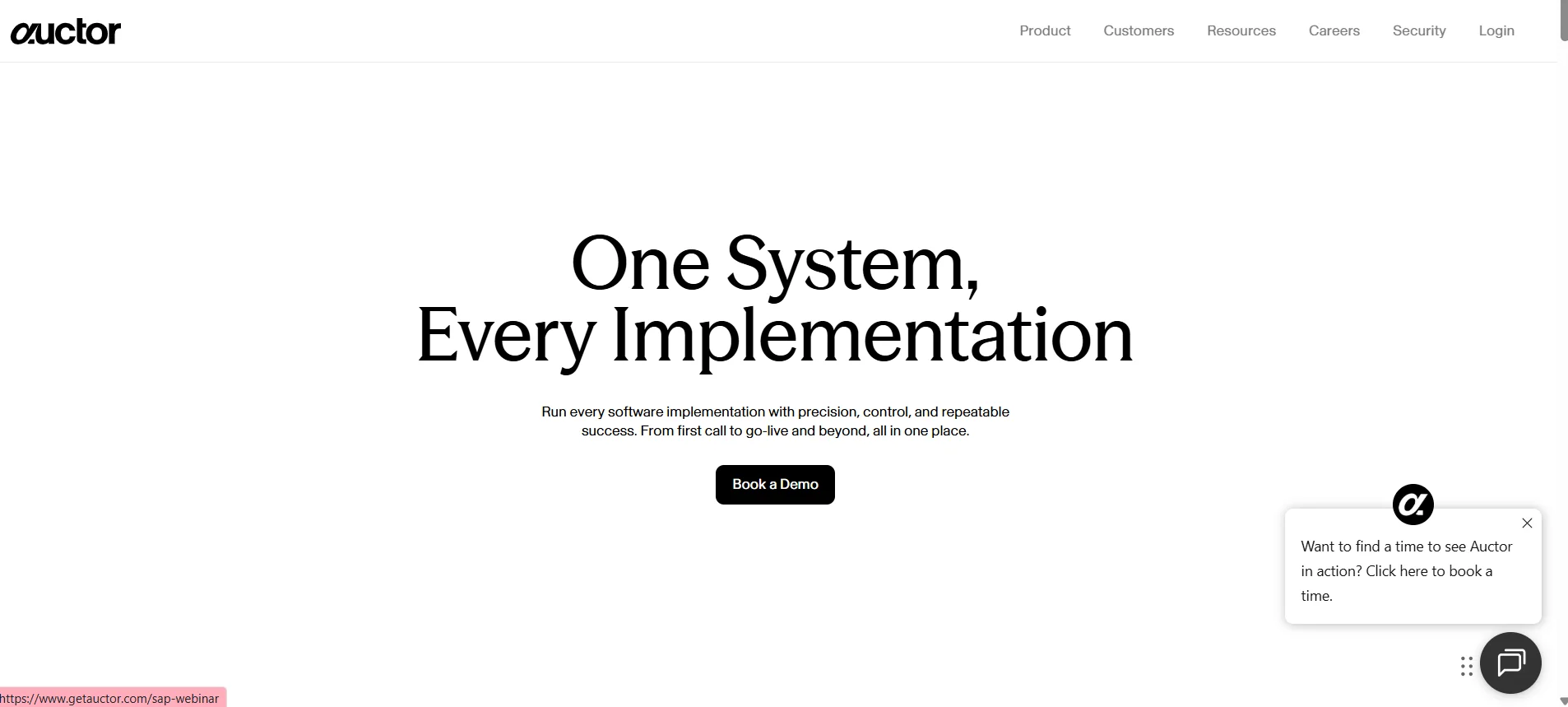
Auctor offers an AI-powered system for managing the entire software implementation lifecycle, from the pre-sales phase—including calls and meetings—through implementation, delivery, and post-launch. The tool aggregates the context of meetings, messages, documents, decisions, and diagrams, then transforms this information into organized, actionable outputs while preserving the context and decision history. It also helps create deliverables and documents, track requirements, prepare scopes of work, designs, and proposals, streamline handoffs between pre-sales and implementation teams, and identify scope changes during the project. Auctor integrates with tools such as Google Meet, Confluence, Slack, Microsoft Teams, Outlook, Google Calendar, Jira, Google Drive, OneDrive/SharePoint, Linear, HubSpot, Salesforce, Gong, Rally, Certinia, Zoom, and Azure DevOps, as well as model providers Anthropic, OpenAI, and Google, and MCP connectors.
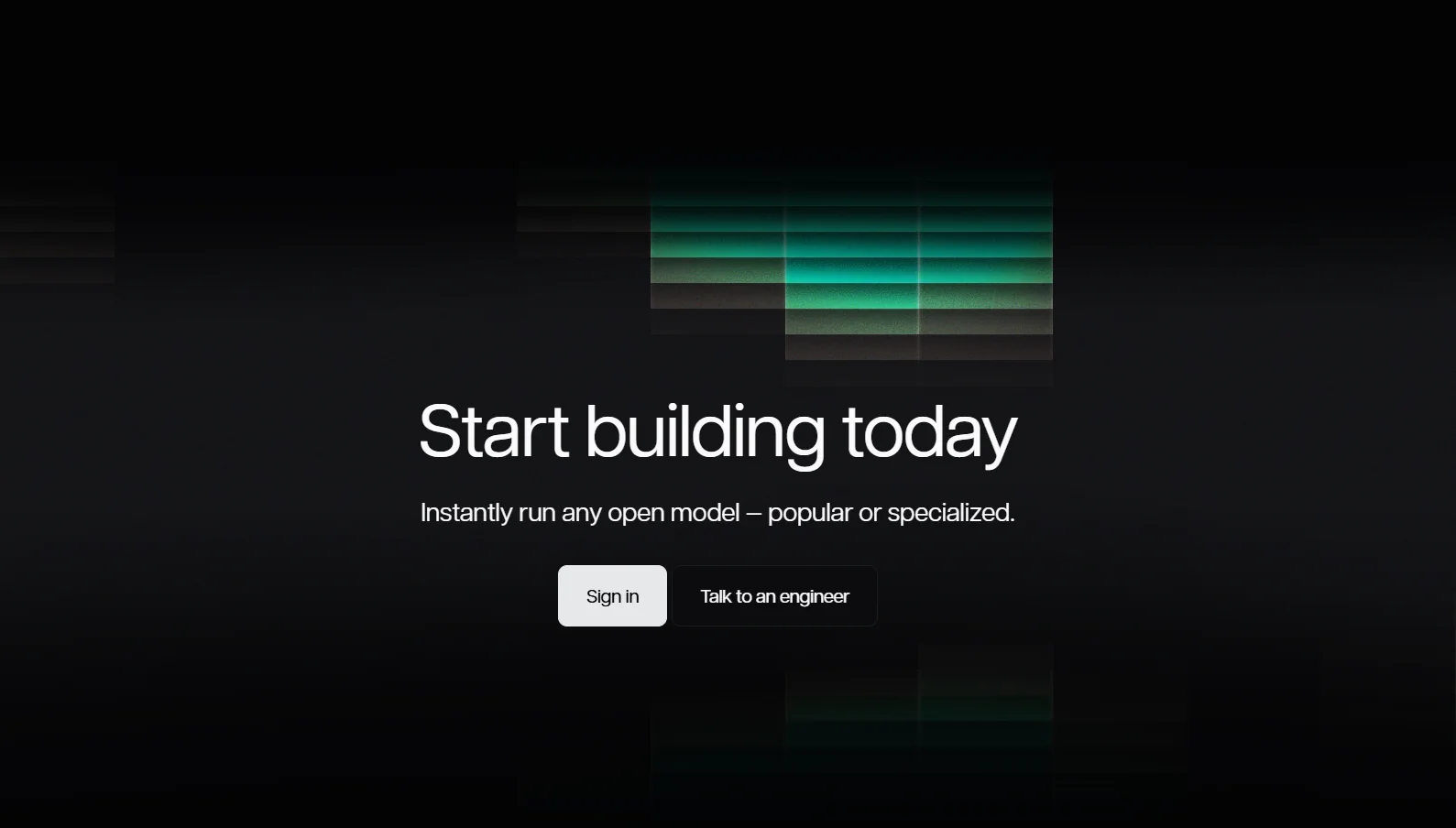
Parasail offers an Inference Cloud tailored for AI-driven startups, with a focus on reliability, performance, and scalability. The platform states that it serves trillions of tokens daily, provides Day 0 support for cutting-edge large language models (LLMs), and is up to 30 times cheaper than legacy clouds. It includes a model library containing over 40 open and cutting-edge models, with the ability to filter models, compare their specifications, and invoke them through a single OpenAI-compatible API. Among the models featured are GLM-5.3 from Z.AI, Kimi K3 from Moonshot, DeepSeek V4 Flash, and MiniMax M3. It also provides agentic optimization to balance speed, quality, and cost, using lossless compression by default and avoiding hidden quantization, with the option to select lossy acceleration when needed. It also offers flexible drawdown billing for a single commitment across models or hardware, and elastic endpoints that scale according to actual traffic, so users pay only for the tokens they use. It also provides access to open models and user-specific fine-tunes through a single API interface, and offers options for serverless endpoints, elastic endpoints, dedicated deployments, and batch processing.
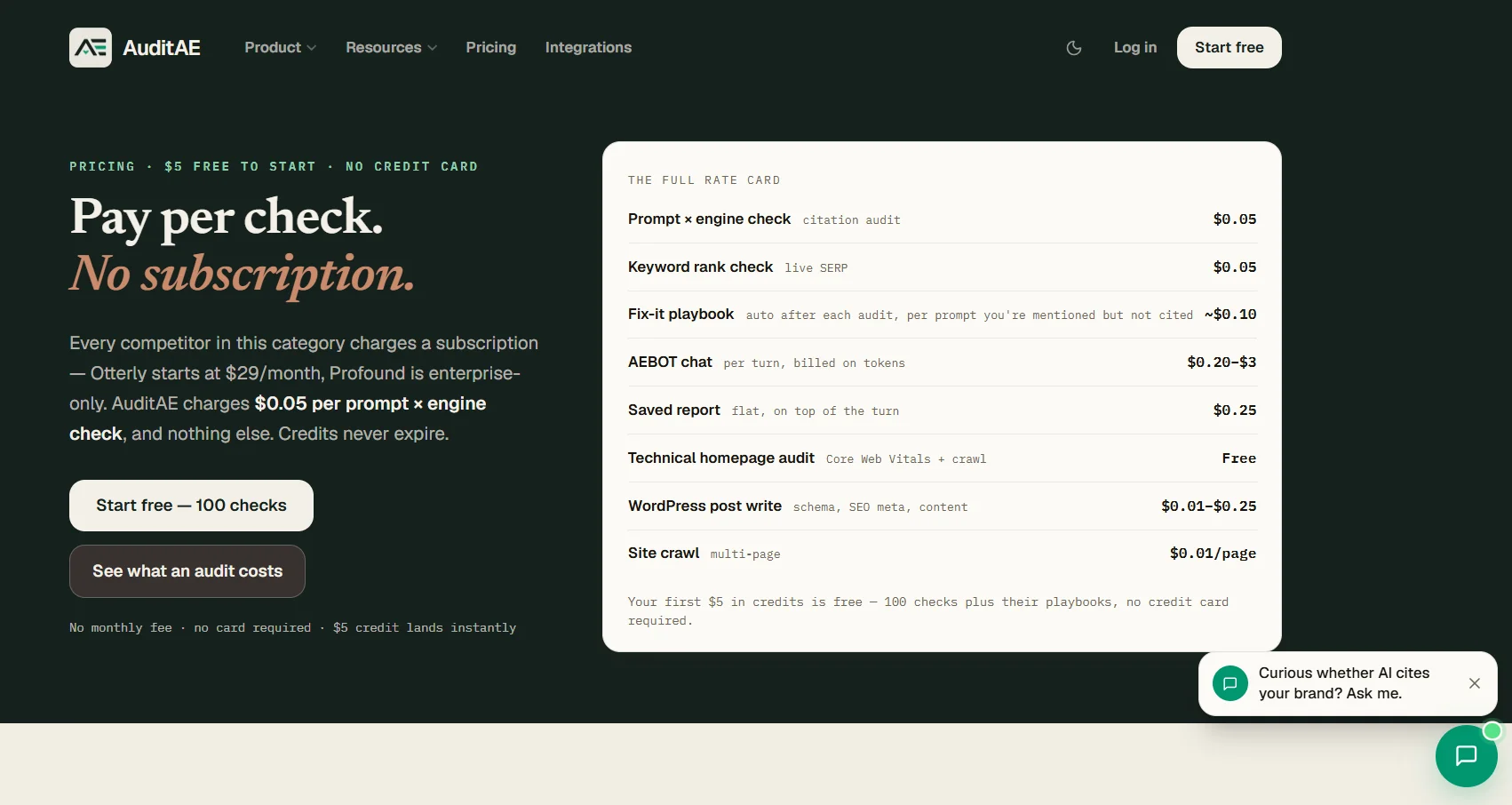
AuditAE is a platform for tracking brand mentions in AI-powered search engine responses, and focuses on determining whether ChatGPT, Perplexity, Google AI Overviews, and Gemini mention the brand or reference its website when users ask questions related to its products or category. The platform allows users to specify up to 10 claims per audit, run them through the four AI engines, and see whether the brand received a mention, which link was cited, and which competitor appeared in its place. It also consolidates Google keyword ranking data and Core Web Vitals metrics into a single workspace and provides citation gap analysis to identify claims where competitors receive citations but the brand does not. AuditAE also supports tracking competitors and their share of citations, saving audit results, scheduling weekly or monthly tracking, and integrating with Google Analytics 4 and Google Search Console, as well as WordPress integration that provides tools related to schema markup, SEO data, alt text, llms.txt, and redirect rules. Technical audits for the homepage are also available, covering Core Web Vitals, H1 structure, canonical tags, robots.txt, and sitemaps.

Smart Stock Agent is an AI-powered U.S. stock analysis platform that focuses on stocks and ETFs listed on the NYSE and Nasdaq. It allows users to search for any U.S. stock using the ticker symbol or company name, view real-time prices, key indicators, and financial data, and generate AI-powered analysis based on technical indicators such as RSI, MACD, and Bollinger Bands, earnings data, news and market sentiment, and corporate financials. It also offers trading strategies that include staggered entry plans, exit targets, stop-loss levels, ROI calculations, and suggested trade timing based on the user’s risk profile. The platform also features a Portfolio Tracker to monitor actual holdings, calculate portfolio value, unrealized and daily gains and losses, diversification score, concentration alerts, and a Portfolio Health Score ranging from 0 to 100, with transactions recorded in the transaction log. It also offers a Watchlist for organizing stocks and ETFs by sector, percentage-based price alerts, and real-time notifications via the platform and email, as well as daily or weekly email summaries. It includes a Market Overview to track the S&P 500, NASDAQ, Dow Jones, and Russell 2000 in real time. The platform also supports Sharia compliance checks in accordance with AAOIFI Standard 21, evaluating business activities, debt ratios, interest income, and other financial indicators. It also supports analysis of U.S. ETFs, noting that certain key metrics such as P/E, EPS, earnings data, and balance sheet information do not apply to ETFs and are displayed as N/A.
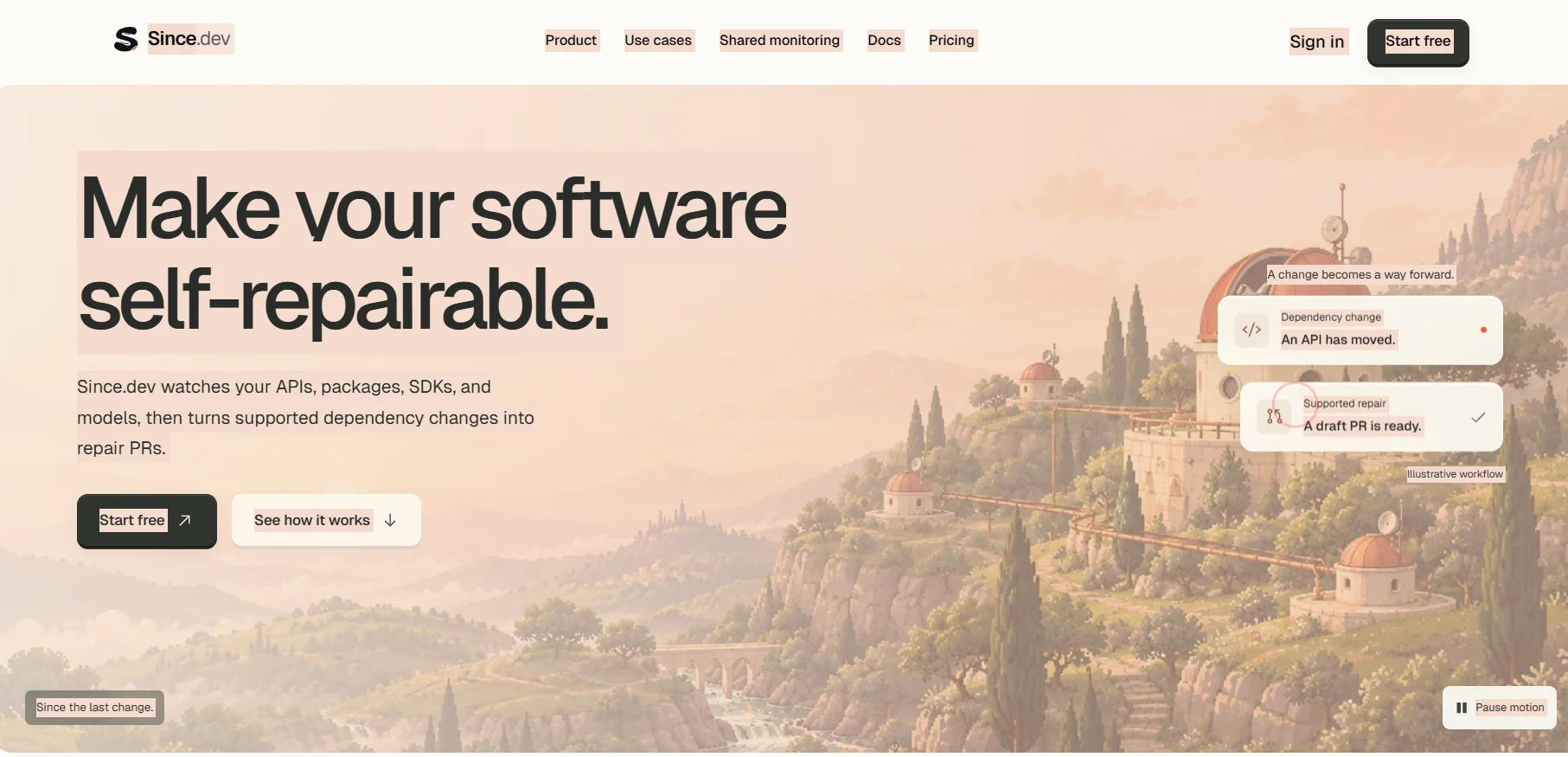
Since.dev is a platform for monitoring software and making it self-healing; it monitors APIs, packages, SDKs, and models, then converts changes to supported dependencies into pull requests (PRs) for fixes. The platform allows you to connect a GitHub repository to see what has changed, find the affected code, and review a supported fix. The workflow includes detecting external changes, determining their impact on the code, preparing a small supported fix, and then reviewing it through the user’s CI. Sources that can be monitored include npm, GitHub, PyPI, Rust, OpenAPI, and RubyGems. It also supports monitoring API changes, SDK updates, deprecations, and provider changes. The API Contract feature links a documented API change to the calls that use it, with the ability to review a supported fix for an endpoint, parameter, or version, An example of this is changing the endpoint from /v1/messages to /v2/messages within src/integrations/messages.ts. The platform provides supported fixes and draft PRs, while testing is conducted within the user’s repository and the user chooses what to ship; nothing is automatically merged or deployed; Draft PRs use the user’s existing CI system, with the ability to request modifications and review the updated patch within the PR itself. Since.dev also offers the World State feature, which allows agents to verify their assumptions against the latest recorded observation before performing any action; the external state includes facts, versions, and service provider conditions. The Verification feature allows you to check whether recorded information remains valid without performing a new fetch, noting that an “Unknown” status does not necessarily mean the information has not changed; For example, if `example-sdk.version = 19.0.0` has changed to `20.0.0`, the agent receives evidence for review when the observation differs, and must verify the observation timestamp and source status. The platform also offers Shared Evidence, where the public source is checked once for everyone, while each Watch retains its own instructions and notifications; users can specify the changes that matter to them, such as API changes, security fixes, and new releases. Since.dev allows agents to submit the changes they need via MCP, HTTP API, or Signed Webhooks, and uses Durable Cursor to preserve the user’s position, so that a read operation does not move the cursor, while Acknowledge is executed after processing and then the work is resumed from the remaining position. It also supports issue tracking, fact-checking, coverage analysis, and change tracking through the tools used by the agent. The MCP setup includes the URL https://api.since.dev/mcp with an Authorization header, It also provides Integration Guides, which offer context for each change, including the statuses “breaking,” “deprecated,” “behavioral,” “additive,” and “advisory.” The official page explains that monitoring sources are checked on a scheduled basis rather than as a real-time feed, and that coverage includes packages, repositories, specifications, public pages, and supported status sources, while it does not include private sources, those protected by login, or those closed to automated reading.
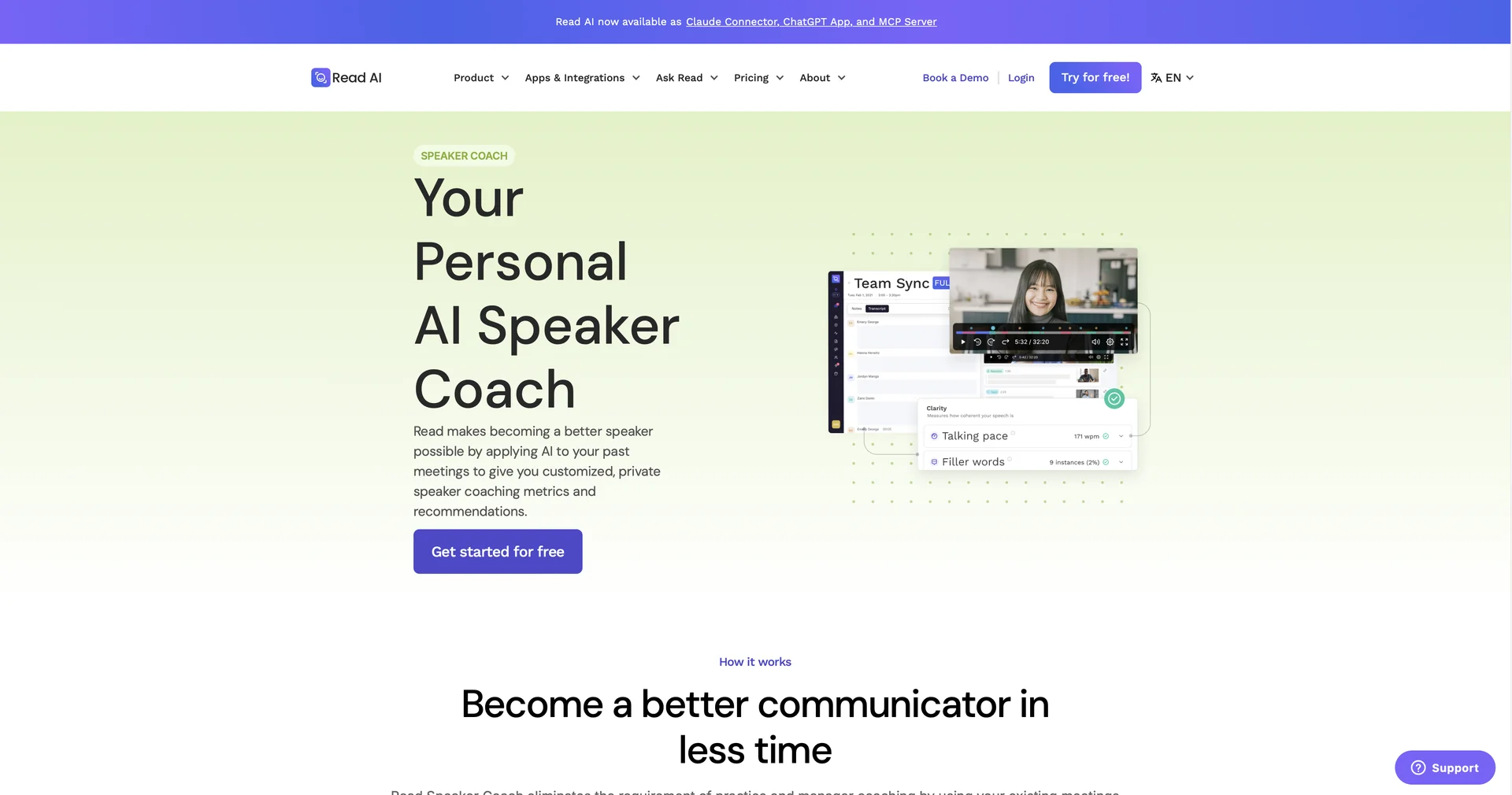
AI-powered speaker coaching for better presentations
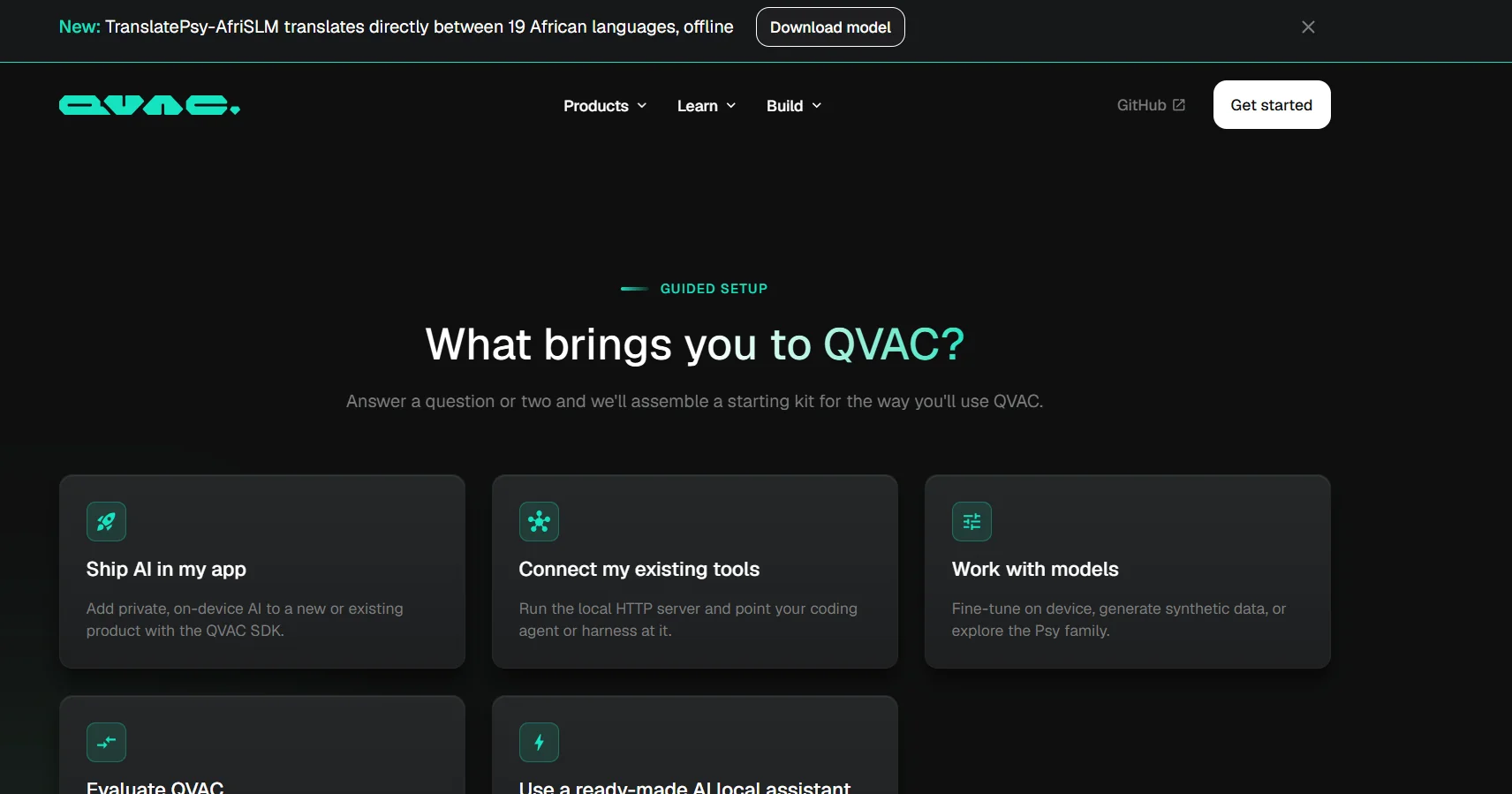
QVAC is an open-source, on-device artificial intelligence system from Tether, designed to run AI models directly on devices owned by the user, such as phones, computers, and servers, rather than relying on centralized cloud servers.
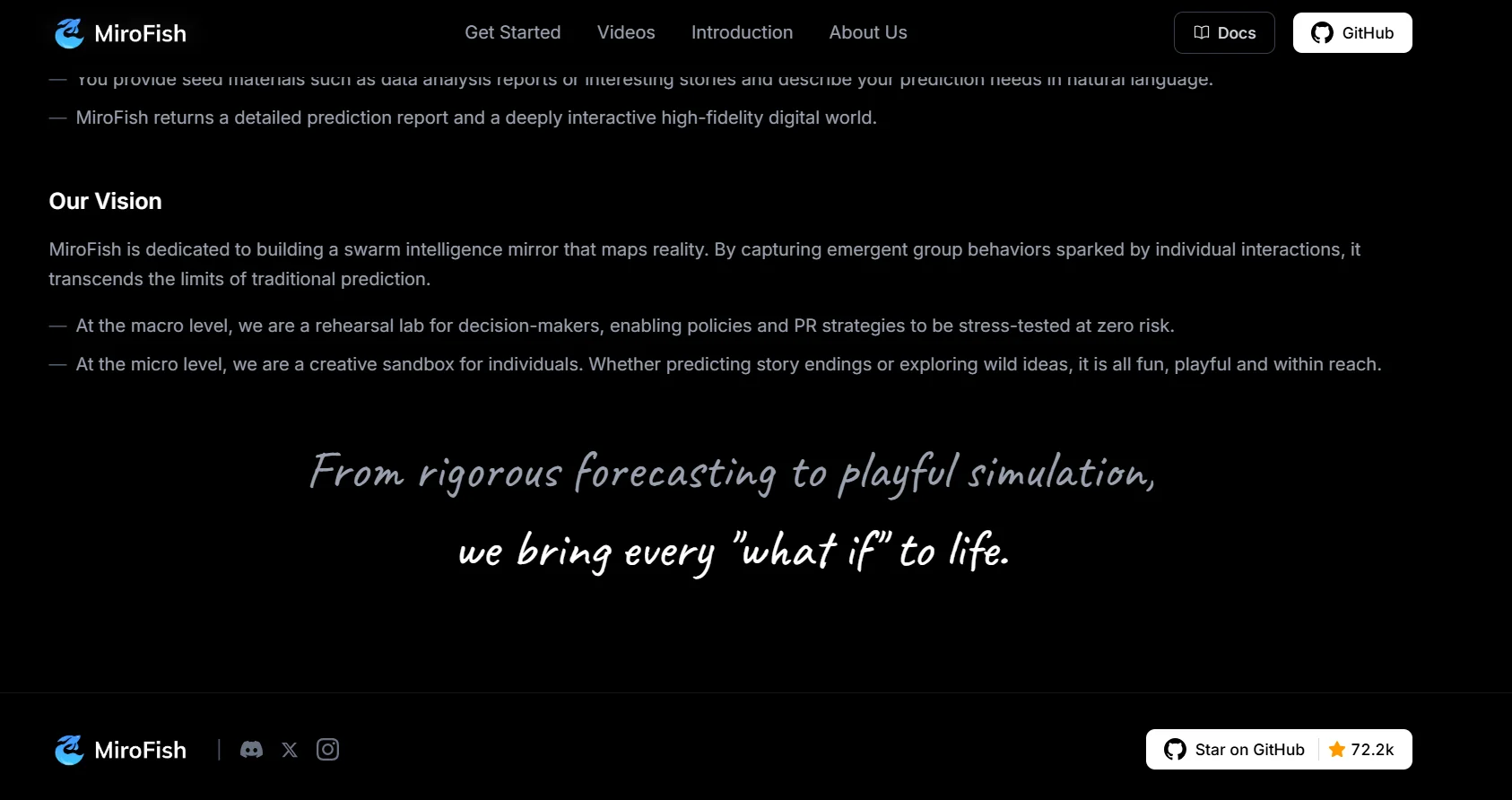
MiroFish is an open-source collective intelligence and prediction engine based on multi-agent technology, designed to build a parallel digital world that simulates reality using a large number of intelligent agents, and then using this world to study possible scenarios and predict future trajectories.
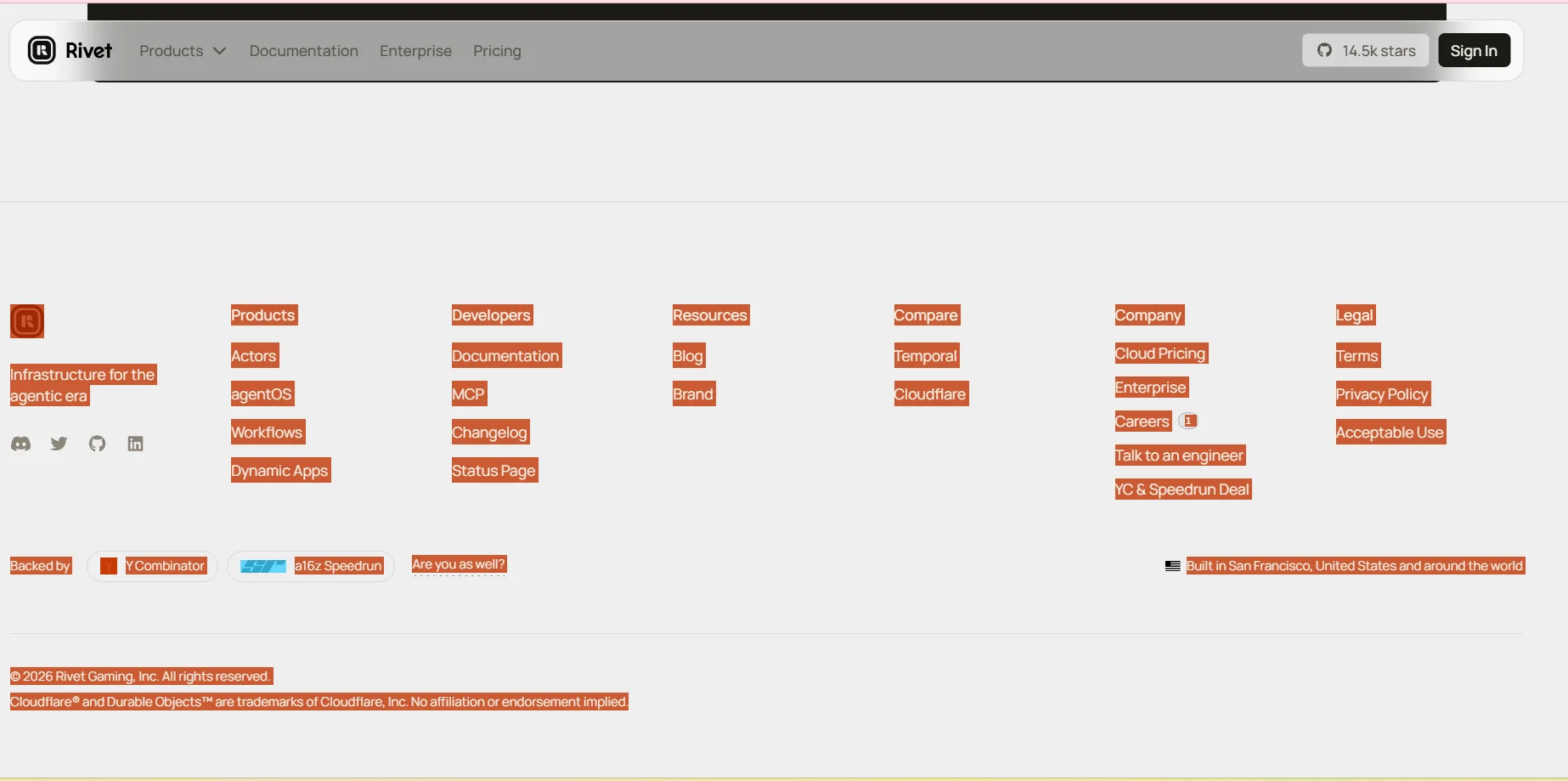
Rivet provides a comprehensive infrastructure for the age of agents, designed to coordinate AI agents, run their environments, automate their tasks, and deploy the applications they build. The platform consists of four core layers: Actors, which provide robust and persistent operations for agents; agentOS, which provides an isolated computing environment for each agent; Workflows, which enable the creation of multi-step processes that can be resumed after failures and restarted; and Dynamic Apps, which deploy the applications created by the agents.

Tracelight is a platform specialized in working with financial models, data, and office outputs, and aims to integrate various components of the work environment into a unified workflow. The platform enables users to build financial models, create and update PowerPoint presentations, work with documents, and leverage the context and information available in SharePoint and Word, along with a suite of specialized tools for review and analysis.

Juna AI is a platform specializing in building and operating autonomous AI agents for factories and industrial operations. It uses Agentic Factory OS to create agents that handle specific production functions, such as process optimization, parameter monitoring, energy management, root cause analysis, and improvements in production and reliability.
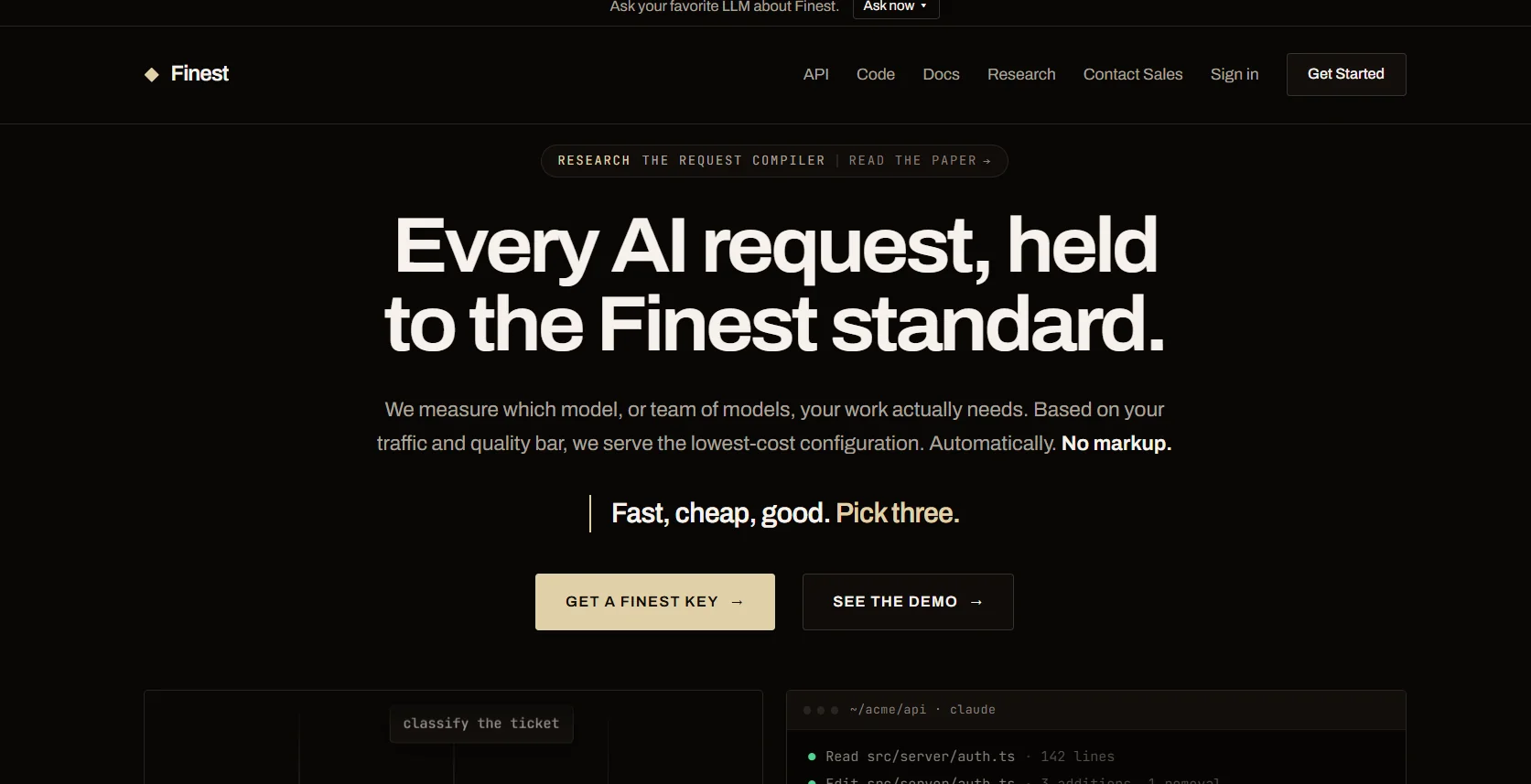
Finest is an AI Gateway designed to reduce the cost of using AI models within applications, while maintaining the quality level specified by the user. The platform measures the actual needs of each request, then identifies the appropriate model or set of models for each request, and automatically routes the request to the lowest-cost configuration that meets the specified quality requirements. The platform clarifies that this routing occurs without adding a markup to the model providers’ prices.
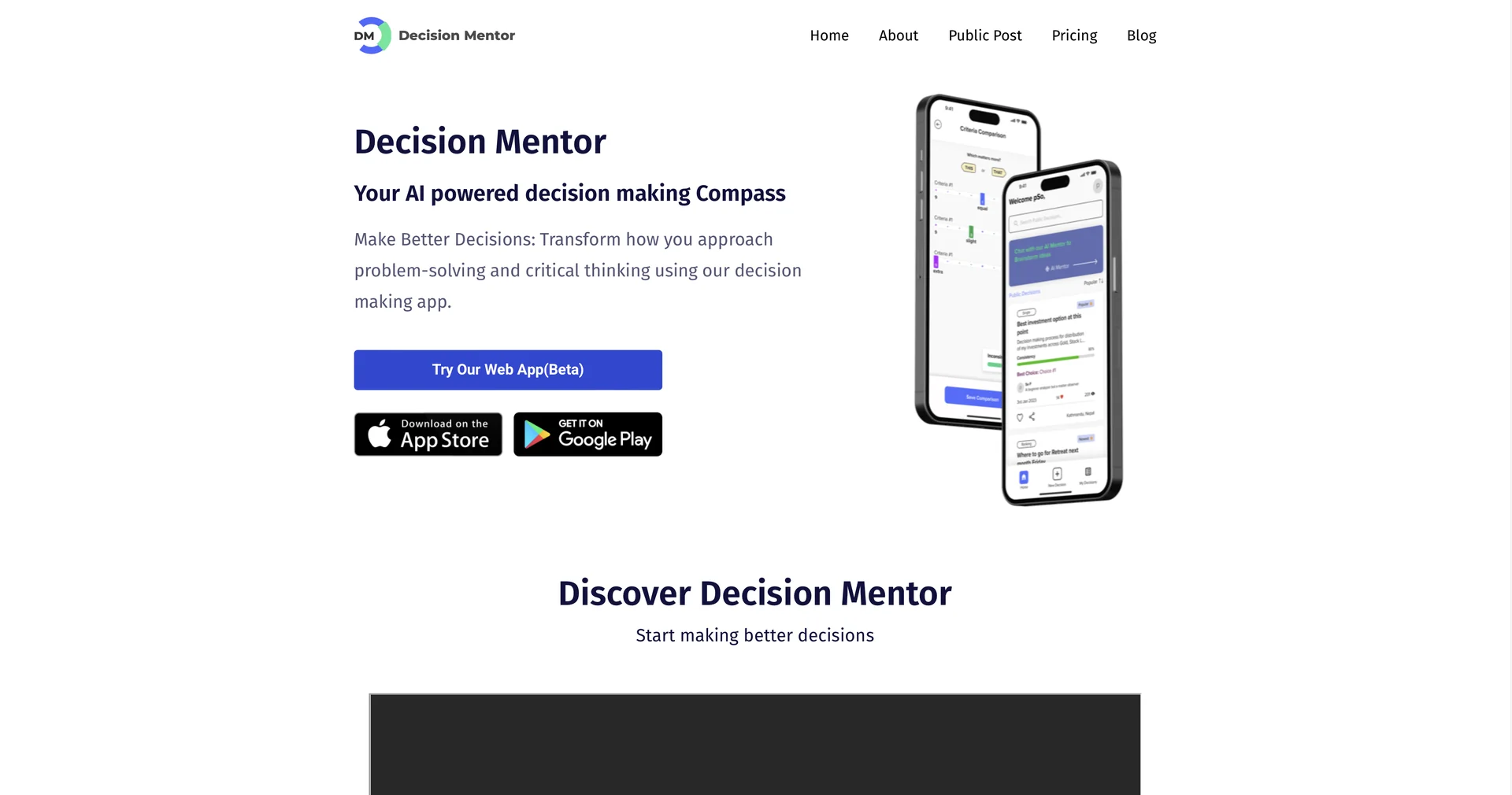
AI-powered compass for better decision making.

Boost productivity, beat distractions for freelancers.