AI Bosala

العربية

AI Tools

5,116 results

  1. Kapso

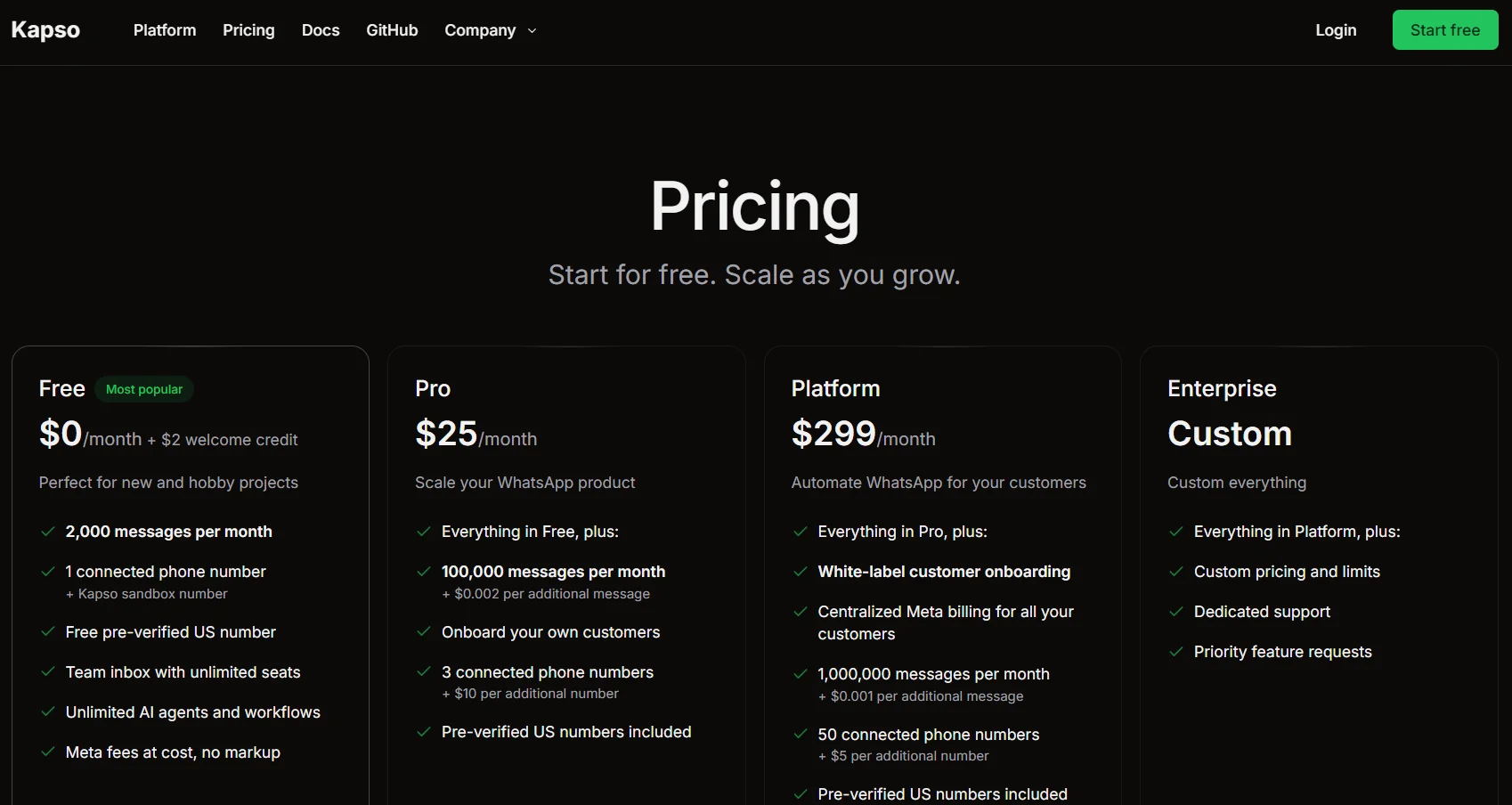
    Kapso is a platform for developers that allows them to integrate the official WhatsApp into their products and applications. It provides the necessary infrastructure to send and receive messages, manage templates and chats, receive events via Webhooks, and build workflows, automations, and AI agents. The platform describes itself as a fast way to add the official WhatsApp to products, with access to WhatsApp’s user base of over 3 billion users, and notes that it is trusted by more than 30,000 developers worldwide. It also positions itself as an official partner within the Meta ecosystem.
  2. Astrocartography Calculato

    Astrocartography Calculator is a tool for creating and analyzing astrological charts; it overlays birth chart data onto a world map to identify locations where planetary influences are believed to be strongest. The tool relies on Swiss Ephemeris to perform astrological calculations. It allows you to enter your date, time, and place of birth, then explore the planetary lines associated with the Sun, Moon, Venus, Mars, Jupiter, Saturn, Uranus, Neptune, Pluto, and others. It calculates four main types of lines for each planet—ASC, DSC, MC, and IC—and displays them on an interactive world map that can be zoomed in on, panned, and clicked to highlight different cities and locations. It also provides AI-powered interpretations of planetary lines and Power Spots, and allows users to compare multiple locations and analyze their suitability for goals such as work, relationships, personal growth, study, or travel. The tool also allows you to export maps in PNG and SVG formats and download interpretation reports as PDF files and text chat logs, with support for watermark-free maps according to the information published on the website.

  3. MyEssayWriter.ai – AI Essay Writer

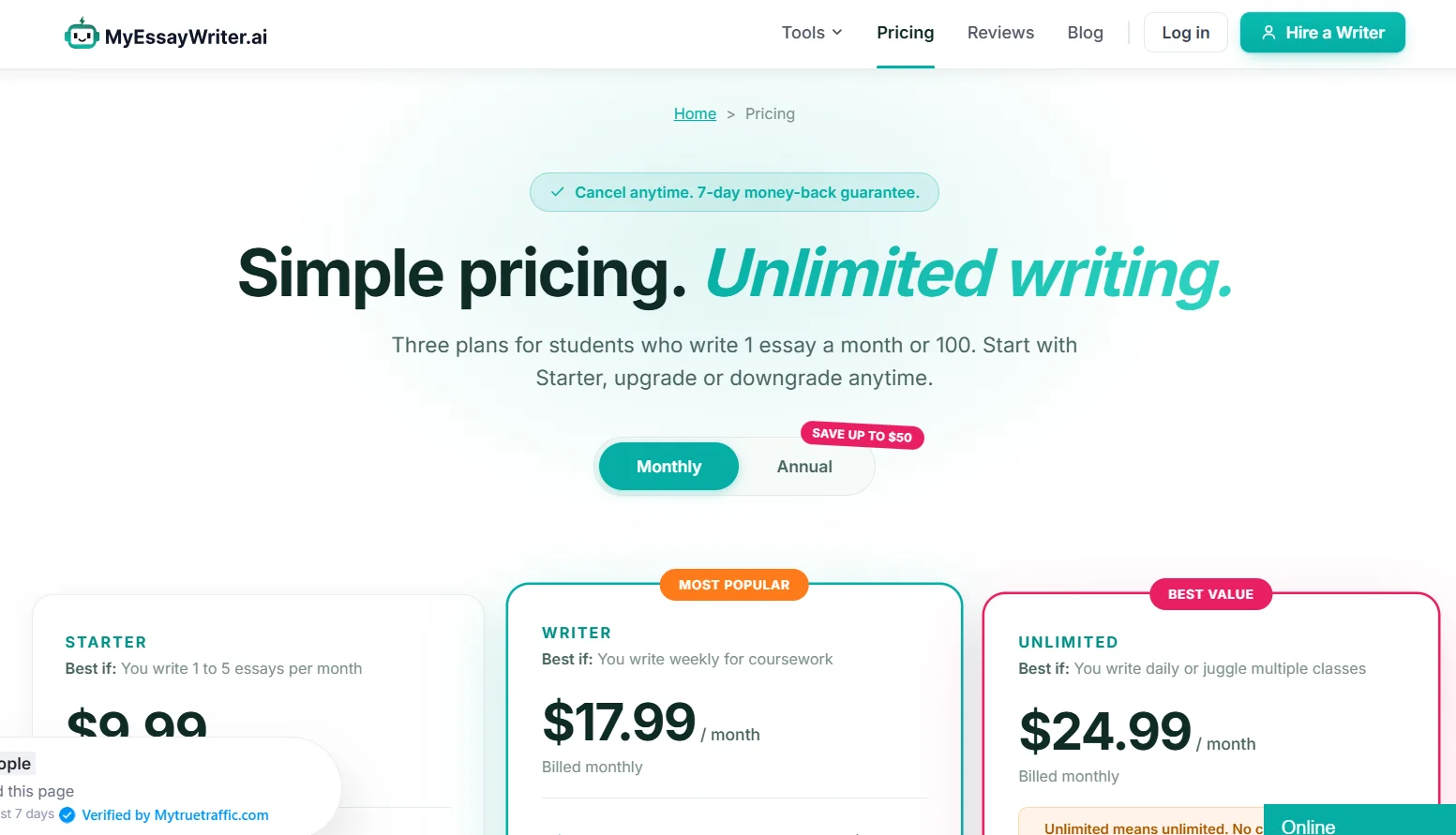
    MyEssayWriter.ai offers the AI Essay Writer tool to generate complete academic essays and research papers supported by research, sources, and properly formatted citations; the platform demonstrates that an essay can be generated in about 30 seconds. Users can enter an essay topic with a maximum of 200 characters, paste a topic, or refer to previous topics. They can also attach grading criteria via “Attach rubric” and add specific instructions via “Add specific instructions,” Then, they can select the academic level—High School, Undergraduate, Master’s, or Ph.D.—choose the essay type, specify the number of pages (1 to 8), and select a citation style from APA, MLA, Chicago, or Harvard.

  4. Peeta

    Peeta is an AI-powered daily assistance platform designed to organize daily and family life by gathering important information from conversations, emails, and calendars and turning it into actionable steps, tasks, and events. The platform works with WhatsApp, messages, email, and voice memos, as well as photos, PDFs, screenshots, and documents, so that information from various communication channels is consolidated in one place.

  5. Purgebg

    Purgebg is a free AI-powered image background removal tool that works directly within the user’s browser, allowing the main subject to be separated from the background with a single click—without the need to create an account or deal with watermarks. Images are processed locally on the user’s device; they are not sent to Purgebg’s servers for processing. The tool supports PNG, JPG, and WebP images, and allows users to upload images or paste them directly from the clipboard.

  6. whacka

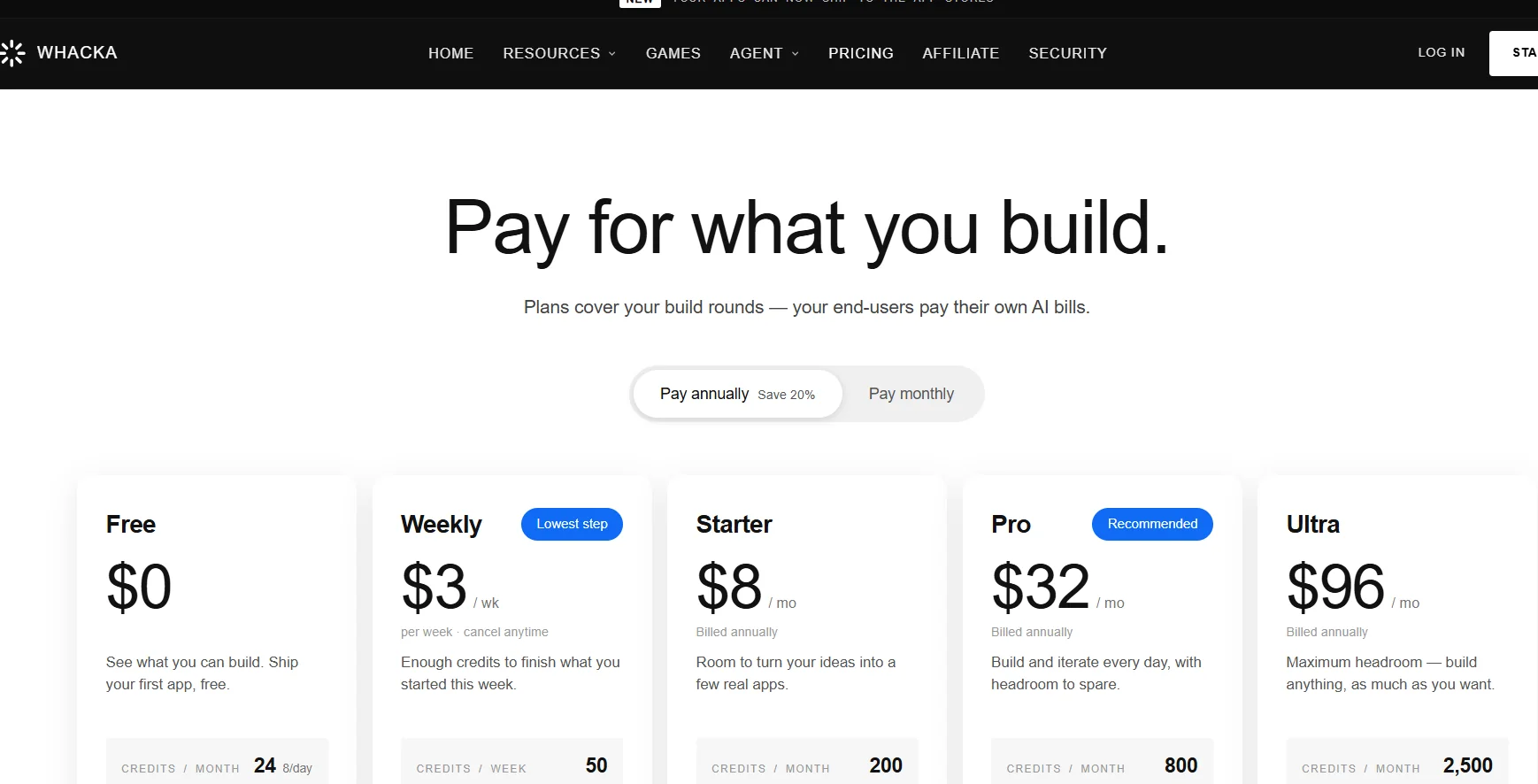
    Whacka provides a platform for building real applications without the need to write code; users can describe their app idea or the changes they want in natural language, and the platform handles the creation of the interface, data, logic, and a usable app, with the ability to see the result immediately through a conversation-based building process. The platform explains that an app can be up and running in minutes, without requiring any prior programming knowledge or a development team.

  7. Rivet

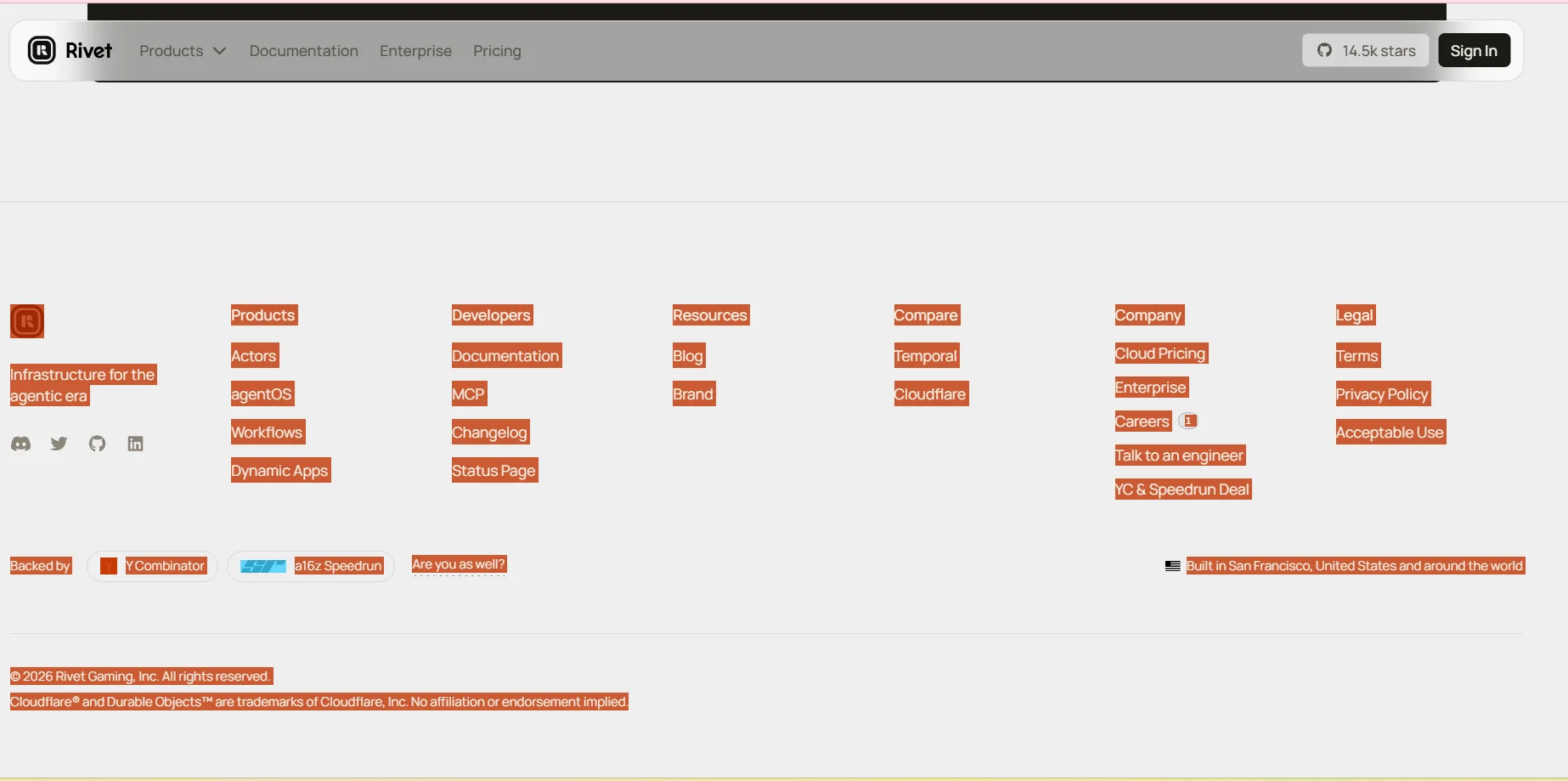
    Rivet provides a comprehensive infrastructure for the age of agents, designed to coordinate AI agents, run their environments, automate their tasks, and deploy the applications they build. The platform consists of four core layers: Actors, which provide robust and persistent operations for agents; agentOS, which provides an isolated computing environment for each agent; Workflows, which enable the creation of multi-step processes that can be resumed after failures and restarted; and Dynamic Apps, which deploy the applications created by the agents.