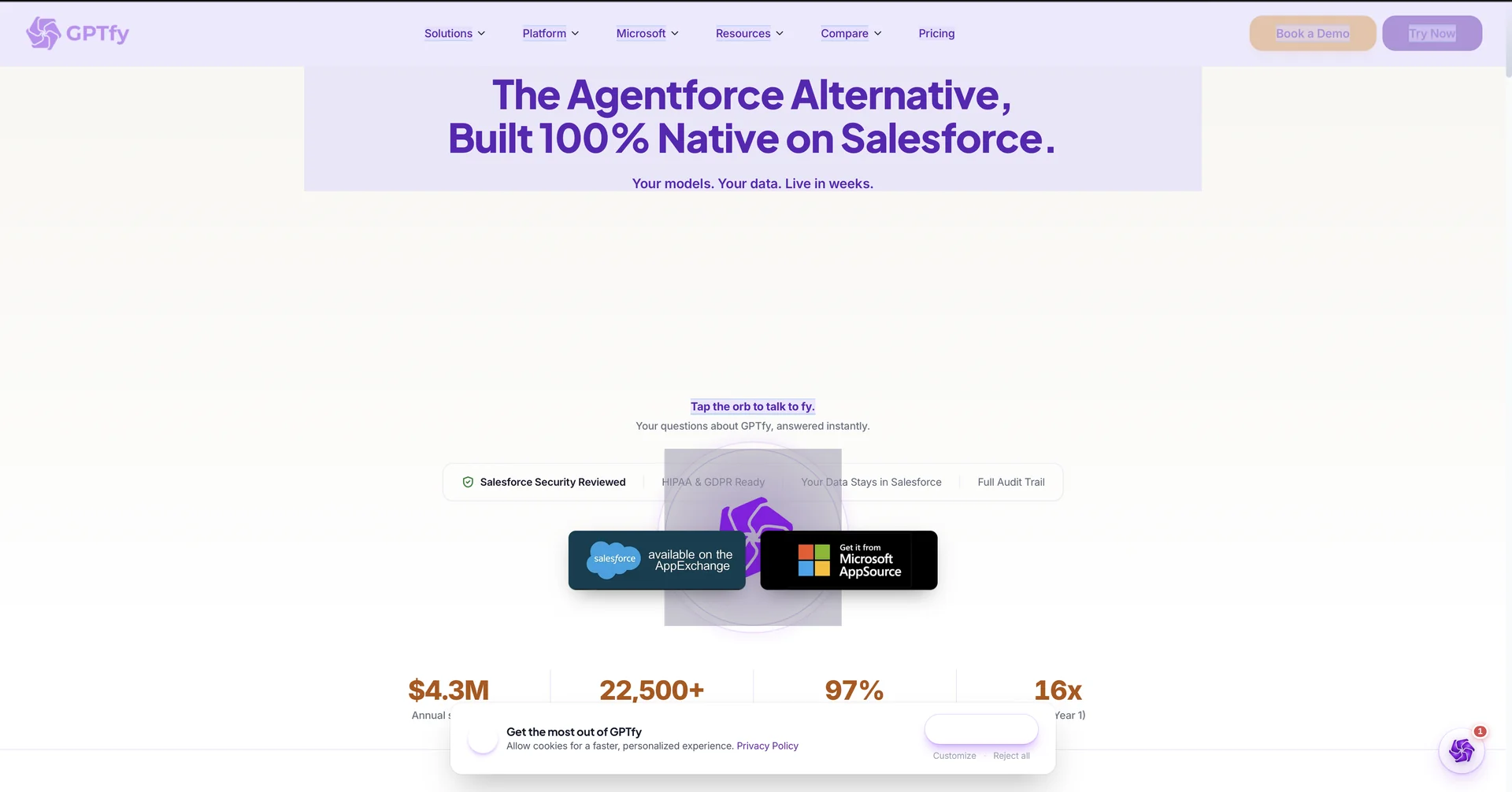
GPTfy
Seamless GPT integration for Salesforce clouds.
1,738 tools
Seamless GPT integration for Salesforce clouds.
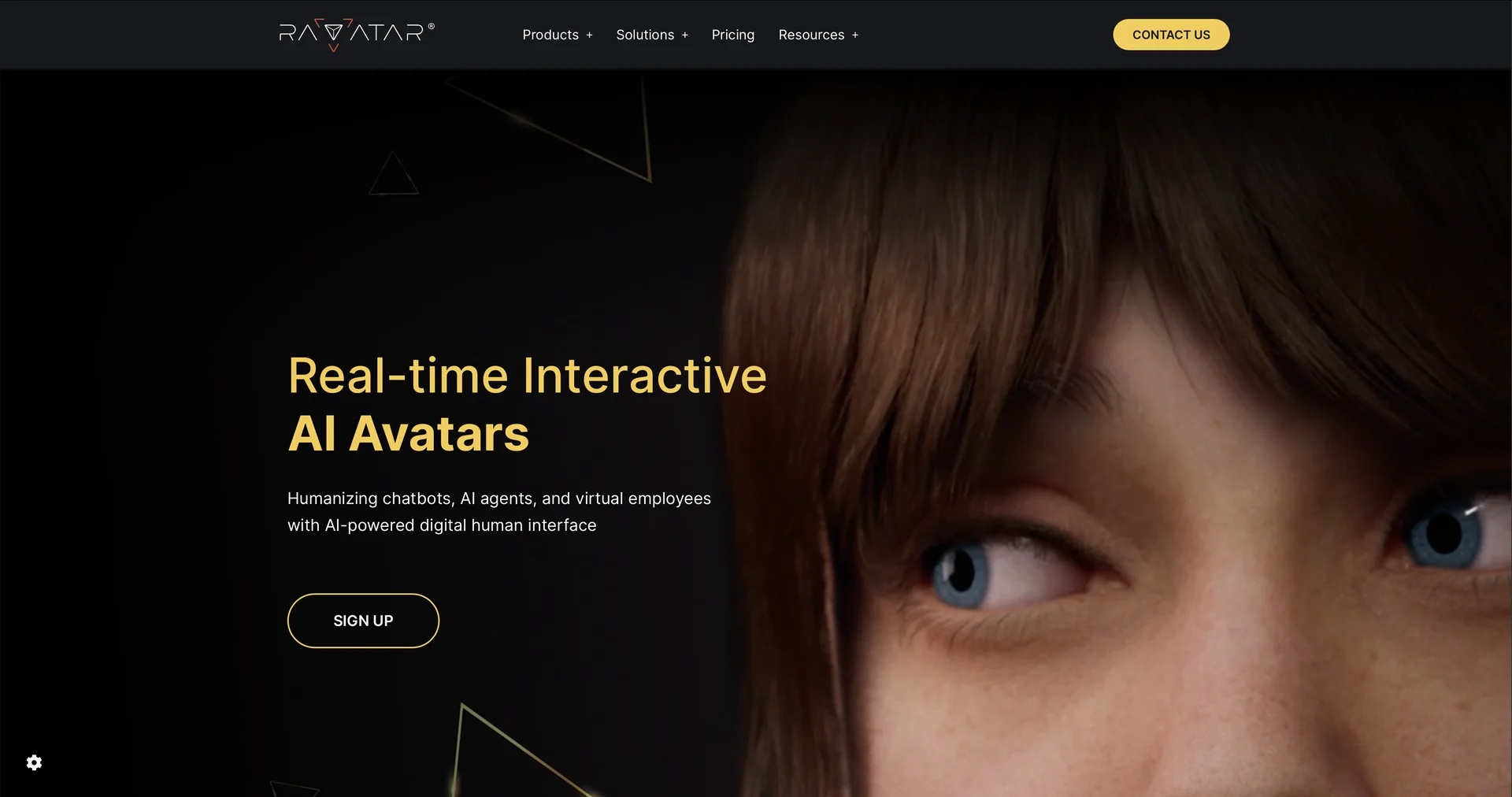
Unleash digital humans for your business
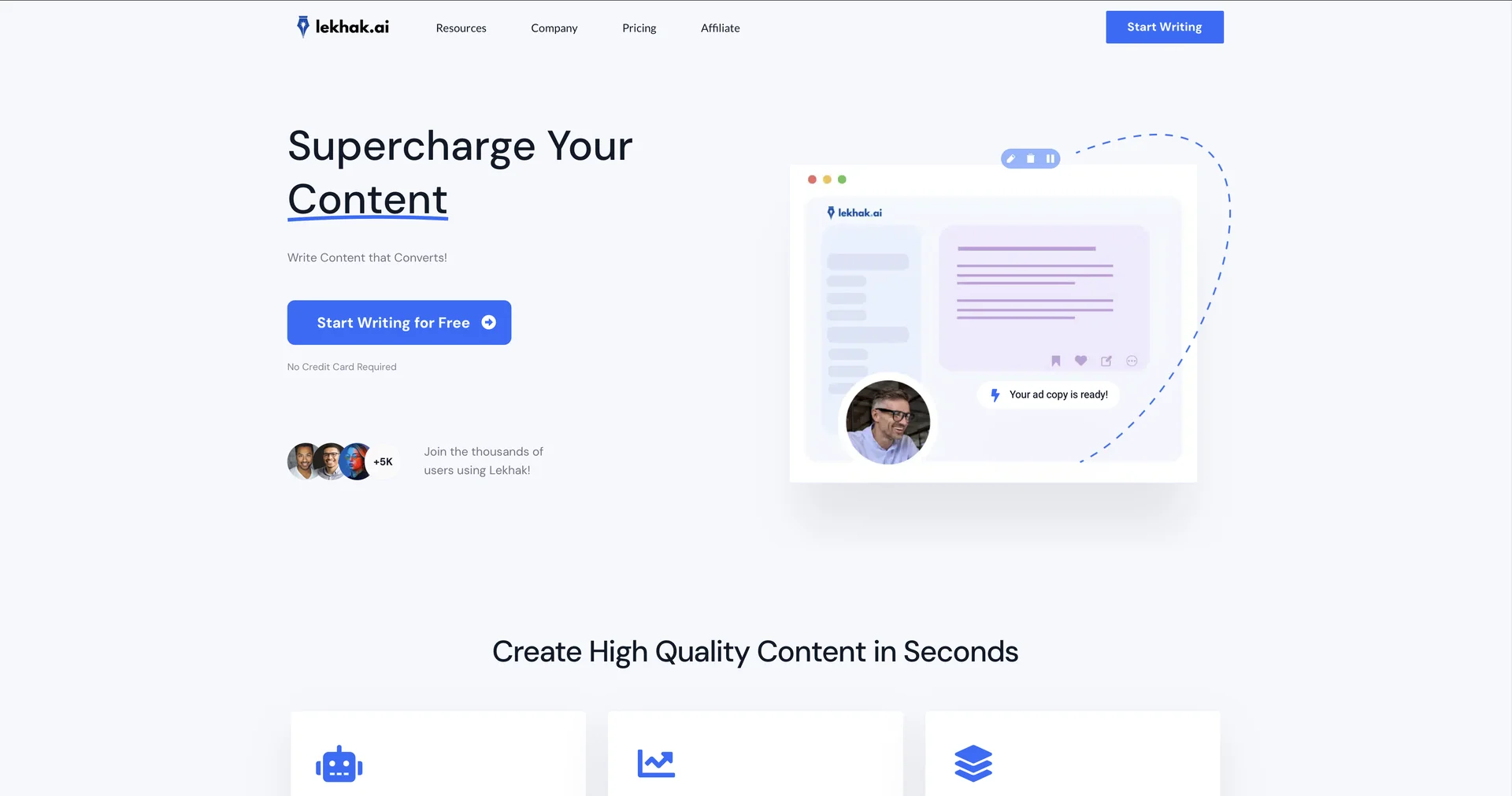
Supercharge your content with AI-powered writing.
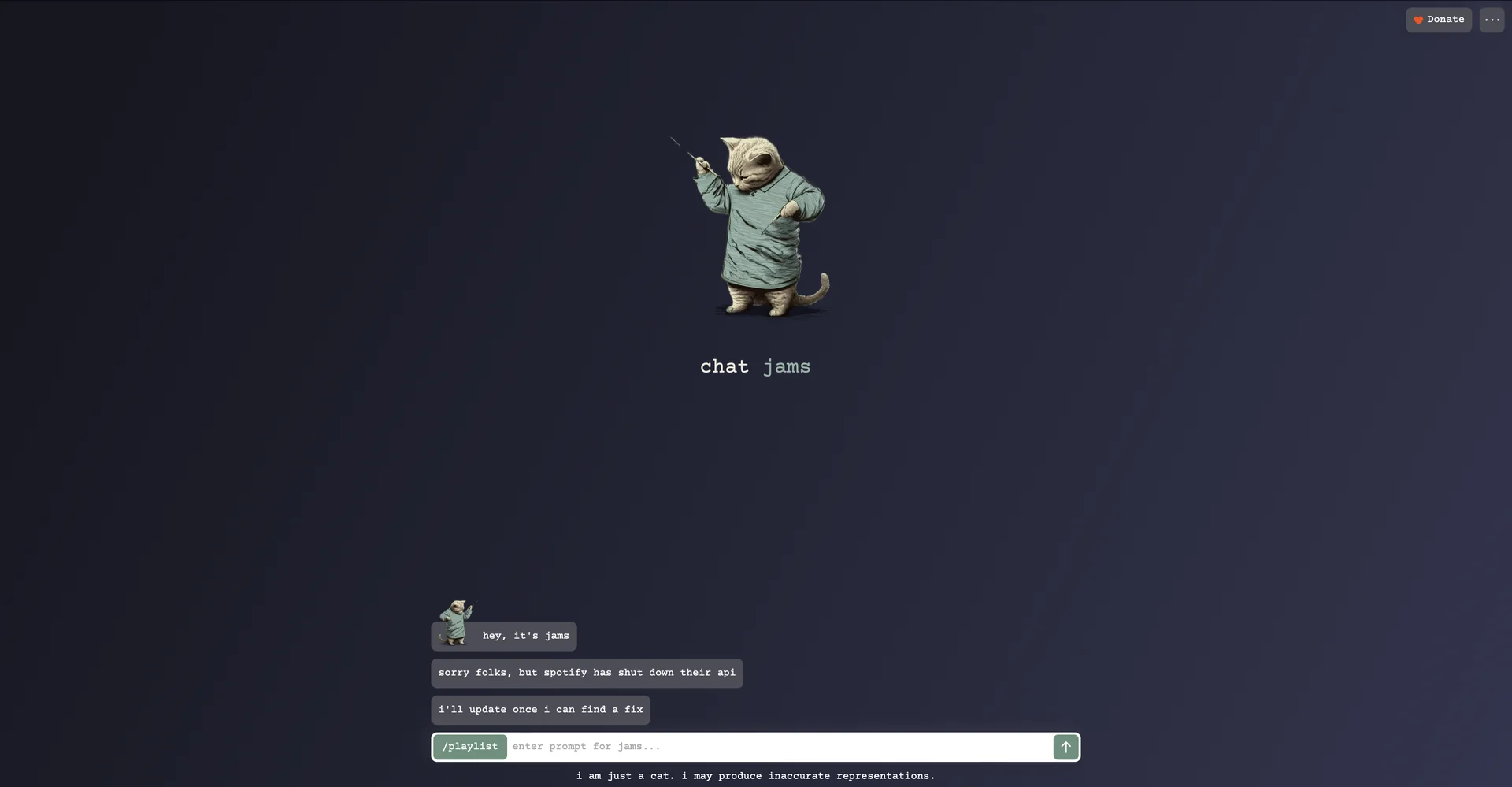
Craft personalized Spotify playlists with a feline touch.
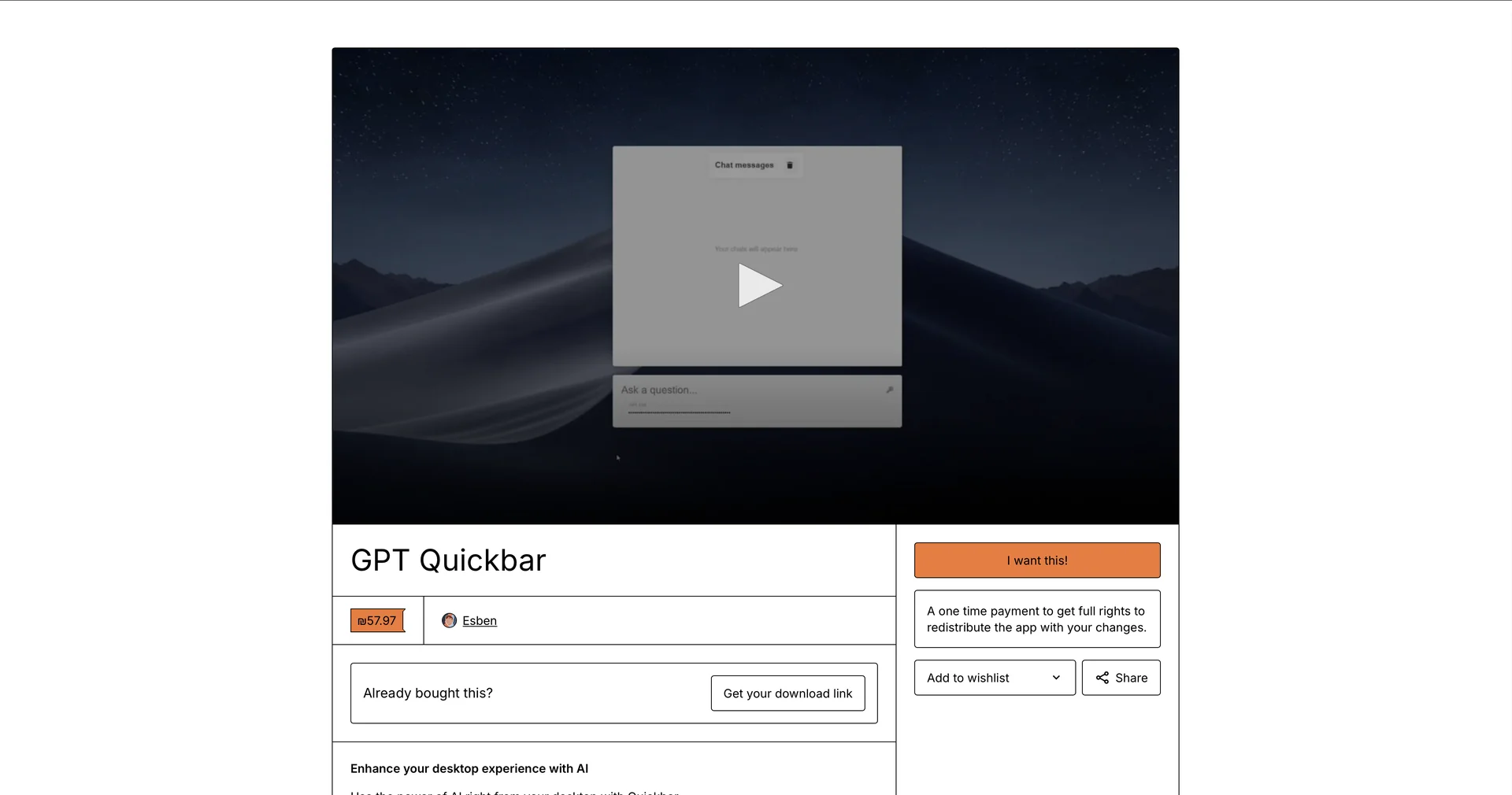
AI-powered desktop assistant at your fingertips.
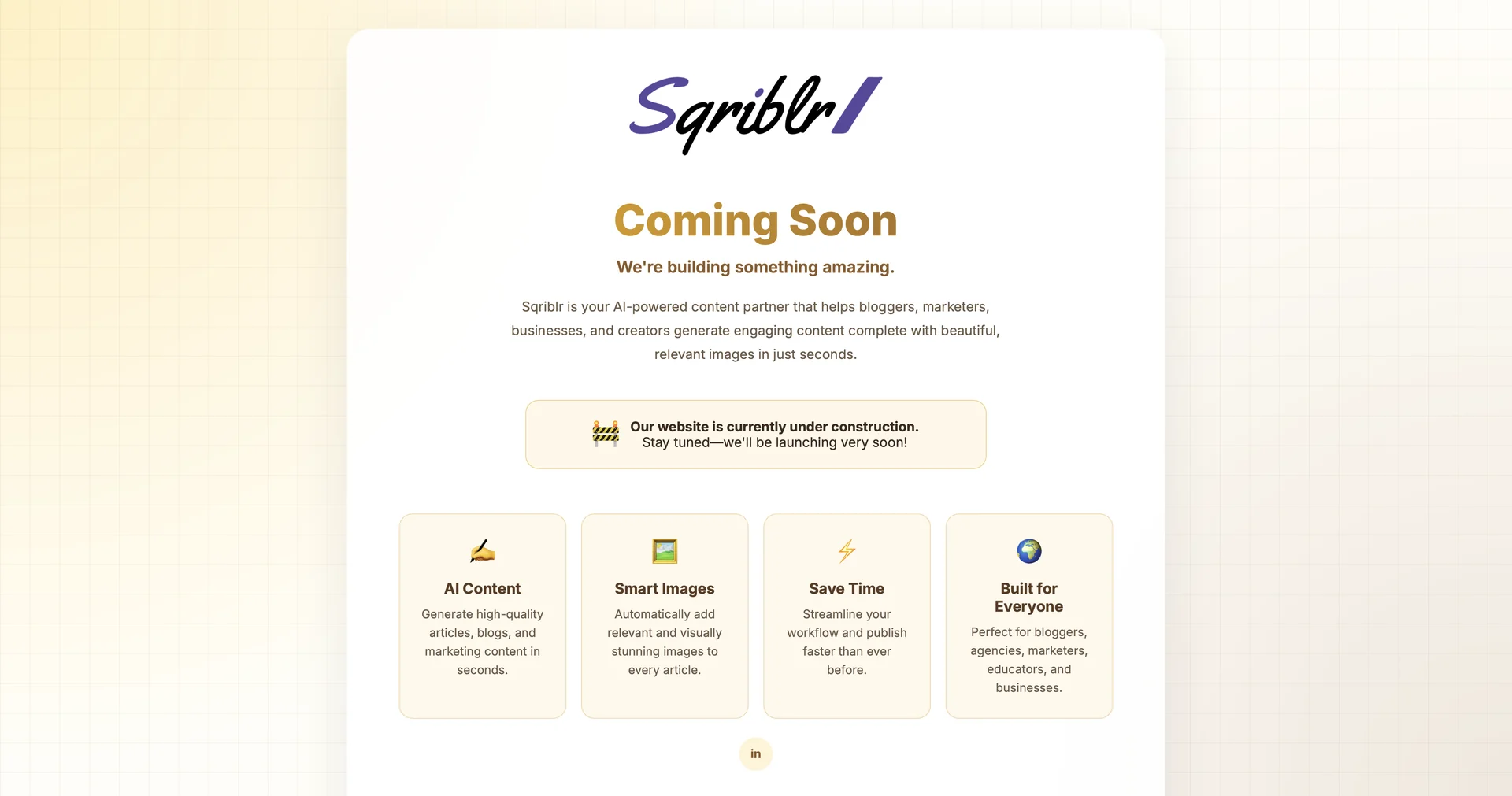
Supercharge ChatGPT content with effortless visuals.
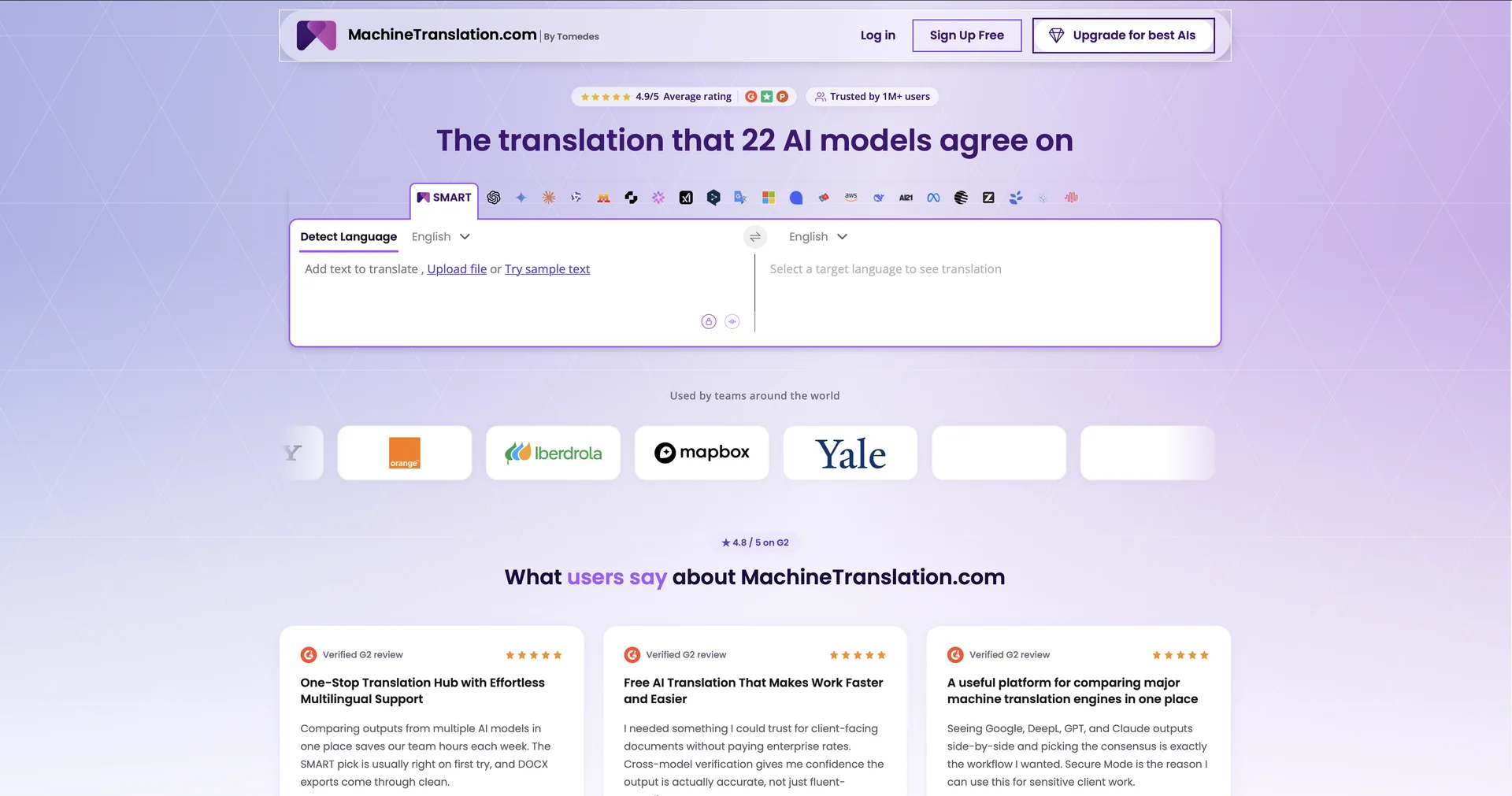
Instantly deliver the best machine translation output.
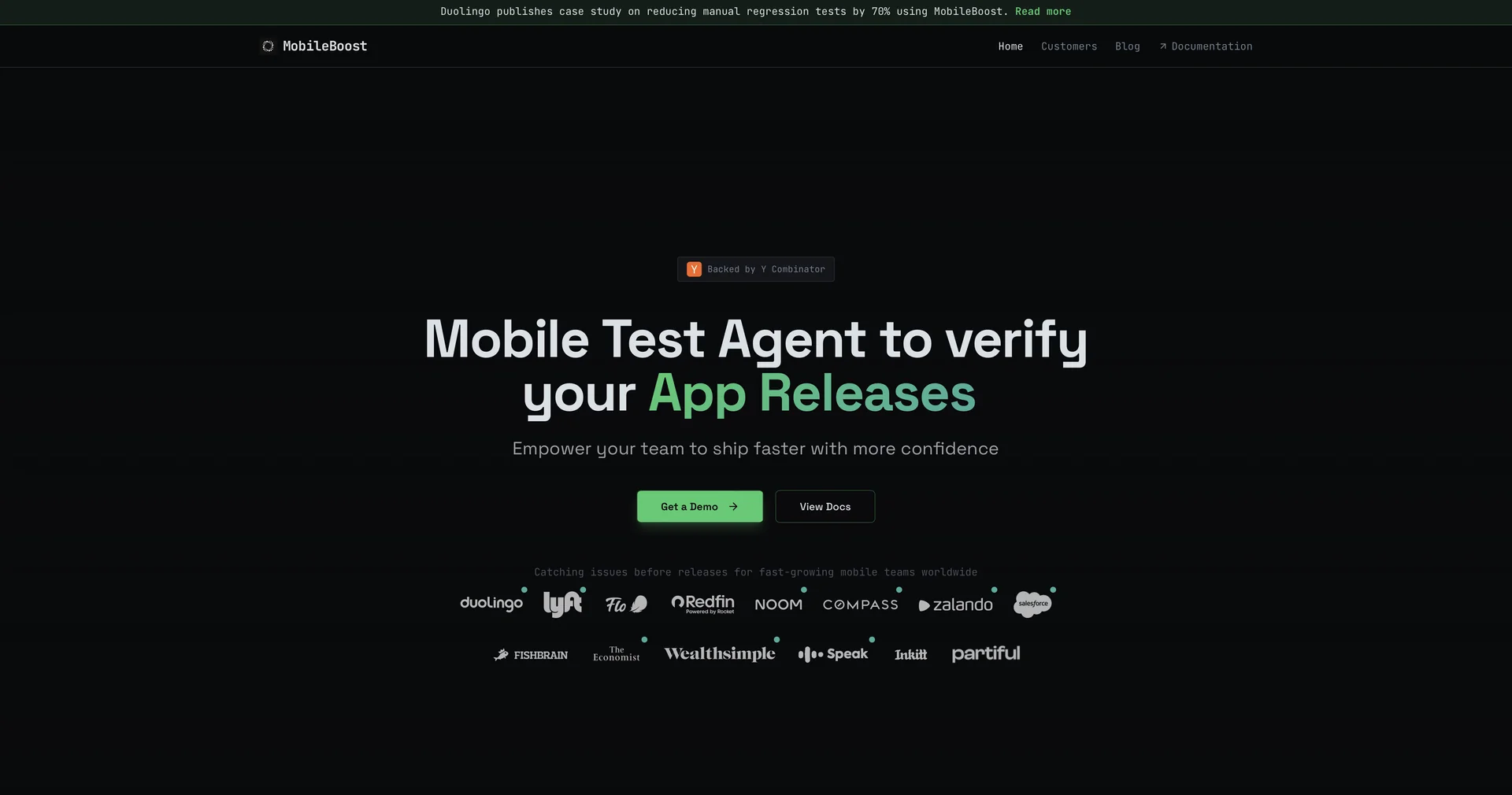
Let AI handle your mobile app QA testing.
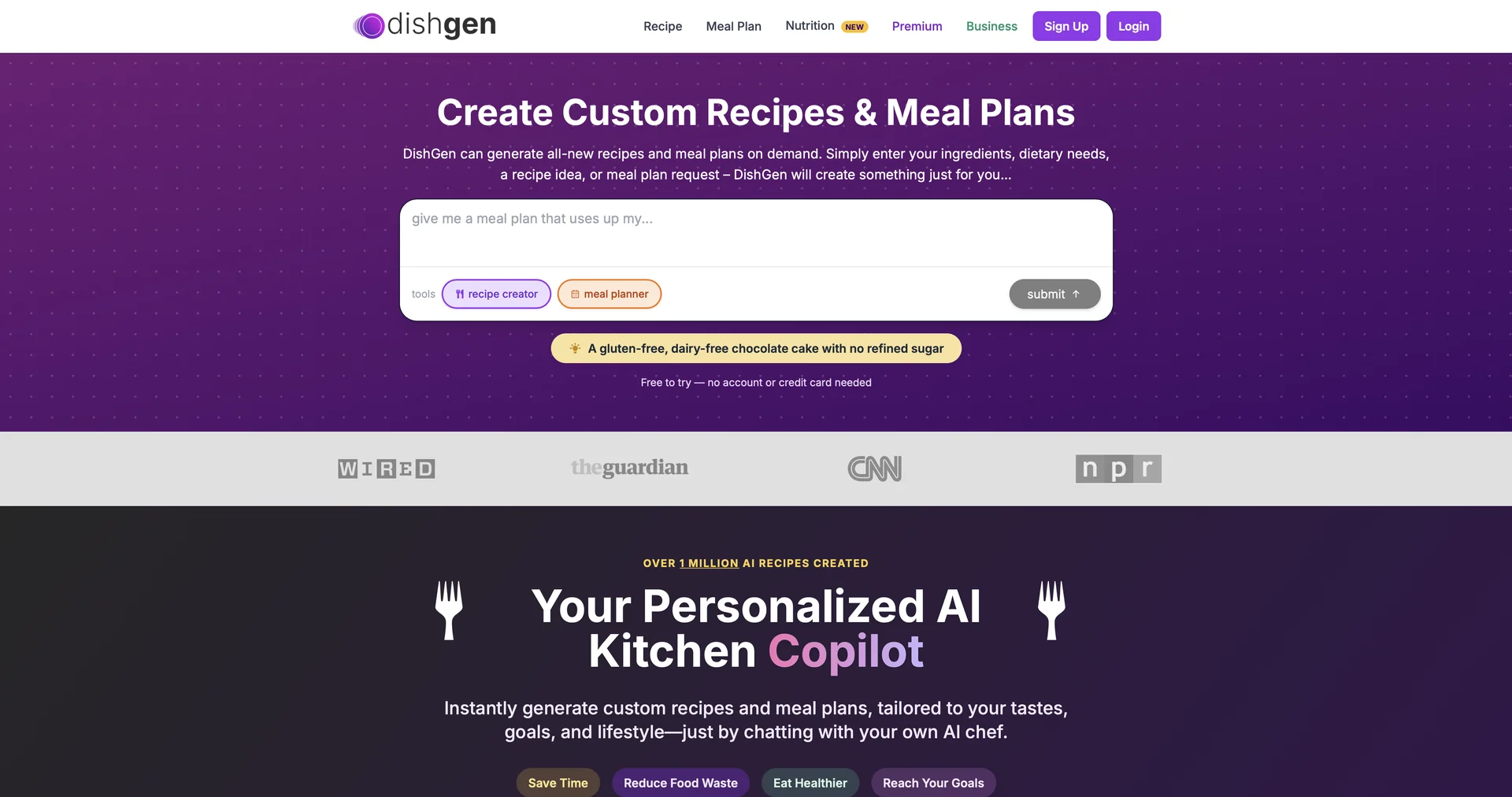
AI-powered kitchen assistant for instant recipe creation
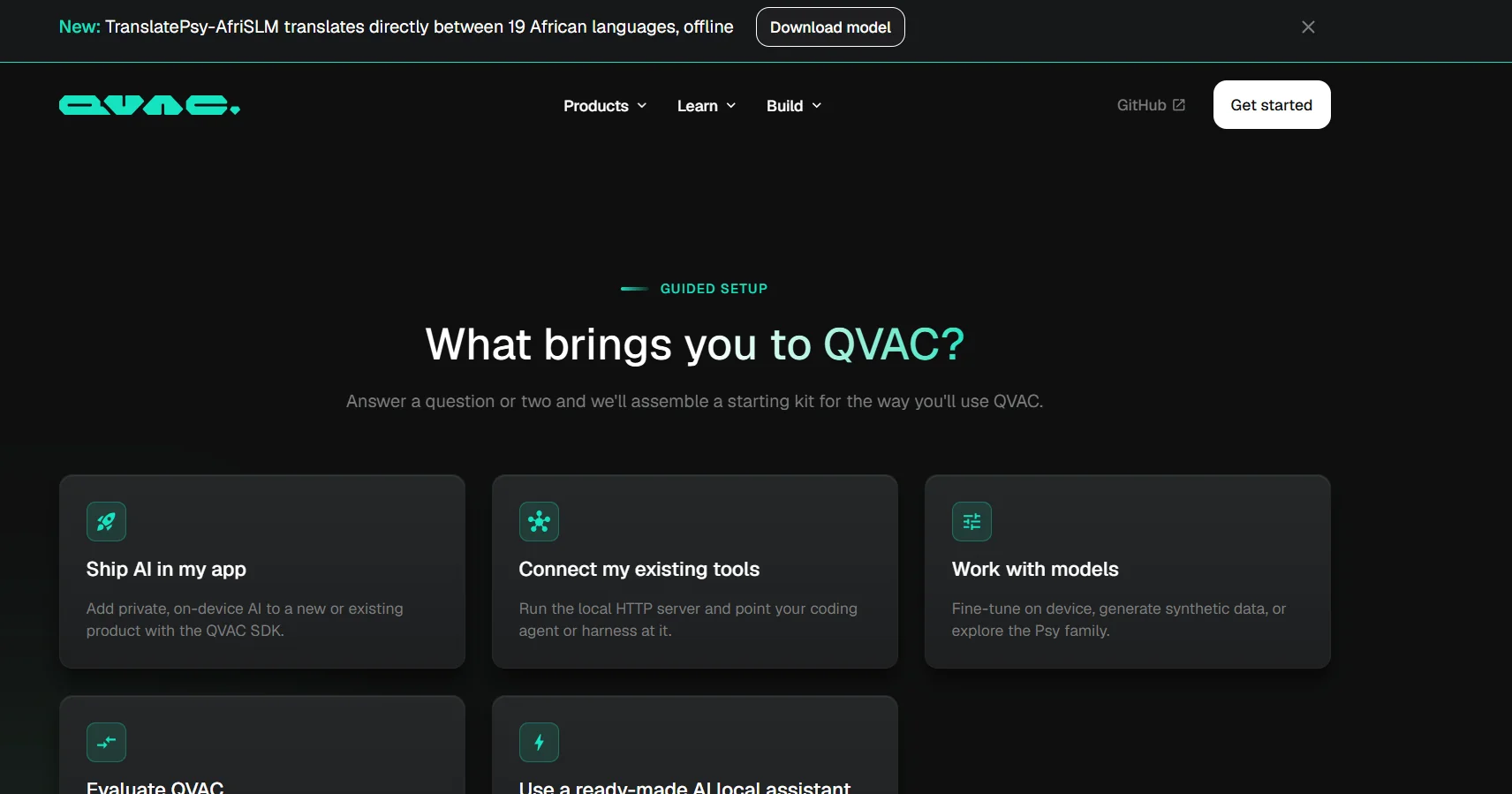
QVAC is an open-source, on-device artificial intelligence system from Tether, designed to run AI models directly on devices owned by the user, such as phones, computers, and servers, rather than relying on centralized cloud servers.
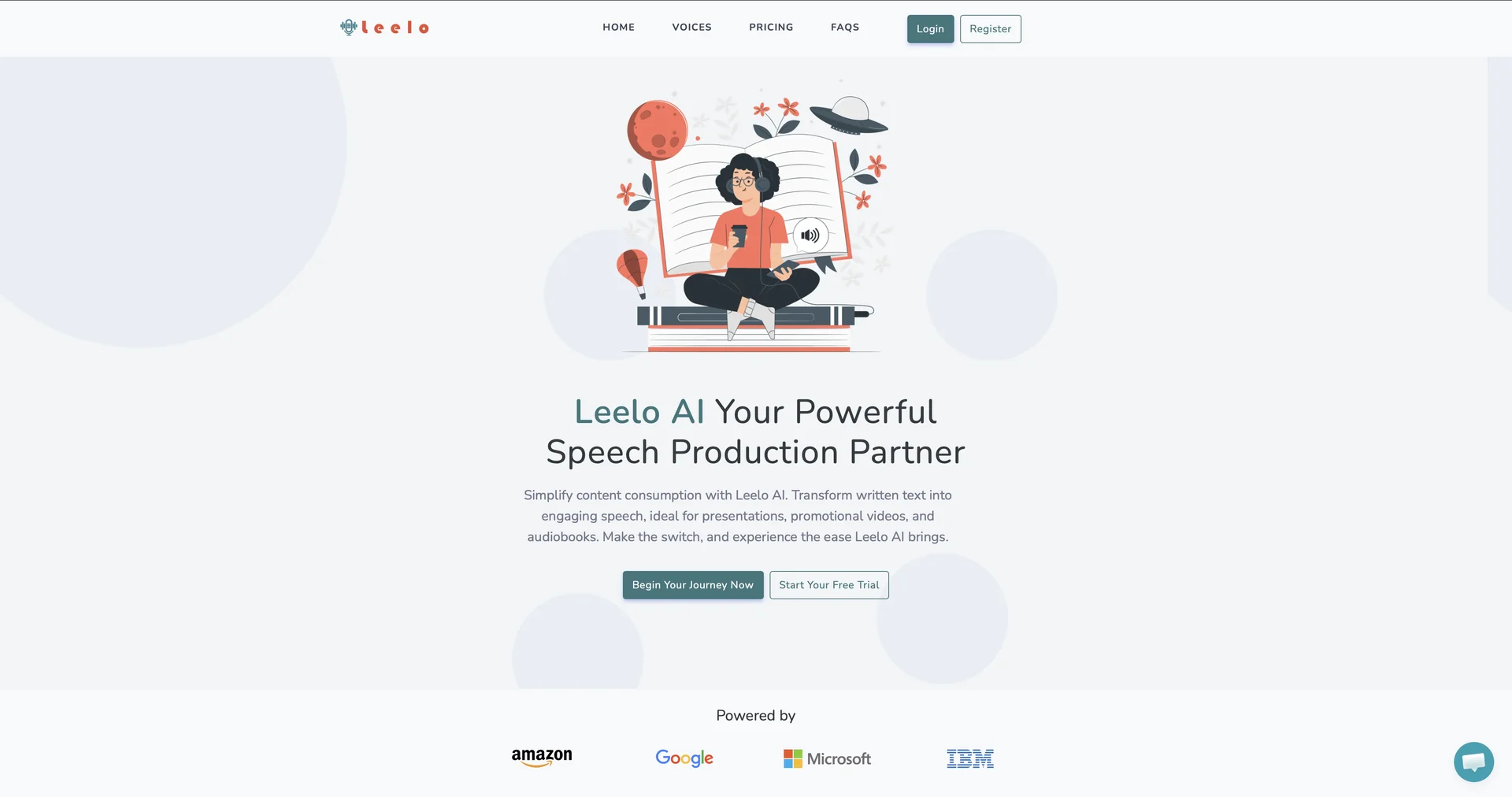
AI-powered text-to-speech for business audio

Build custom AI agents to automate workflows without code
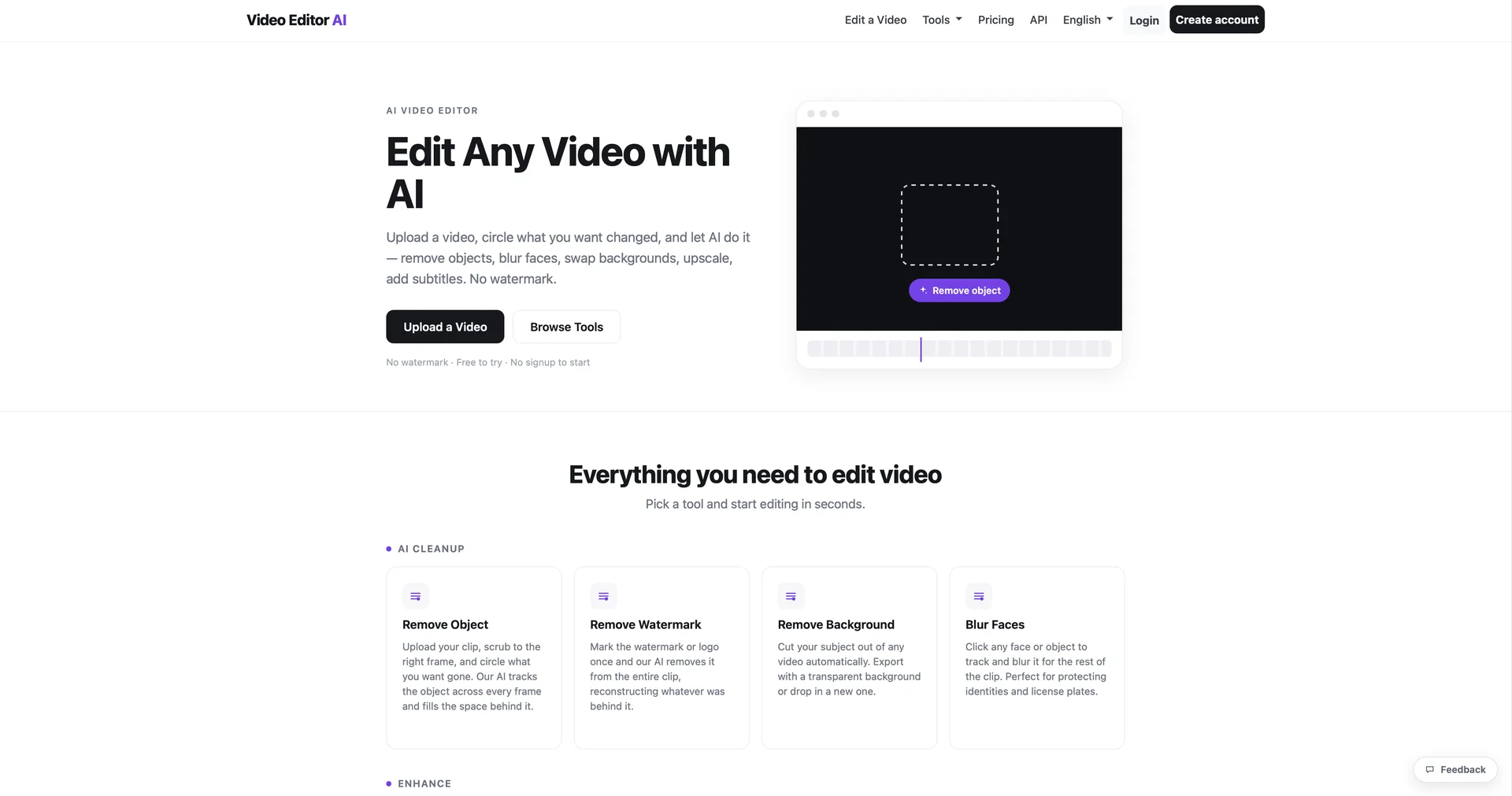
Edit or create videos with AI commands.
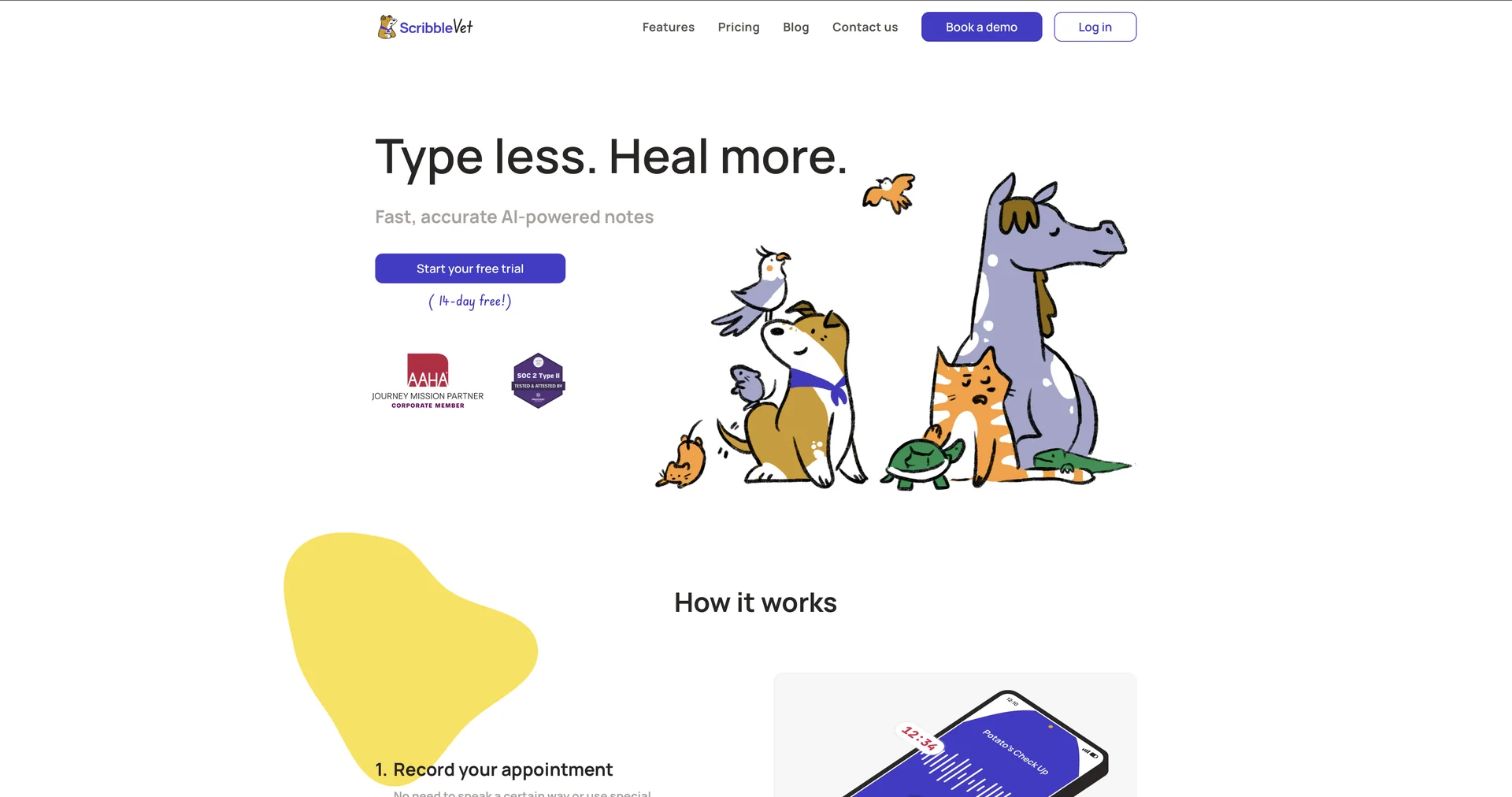
AI digital scribe for busy veterinarians.
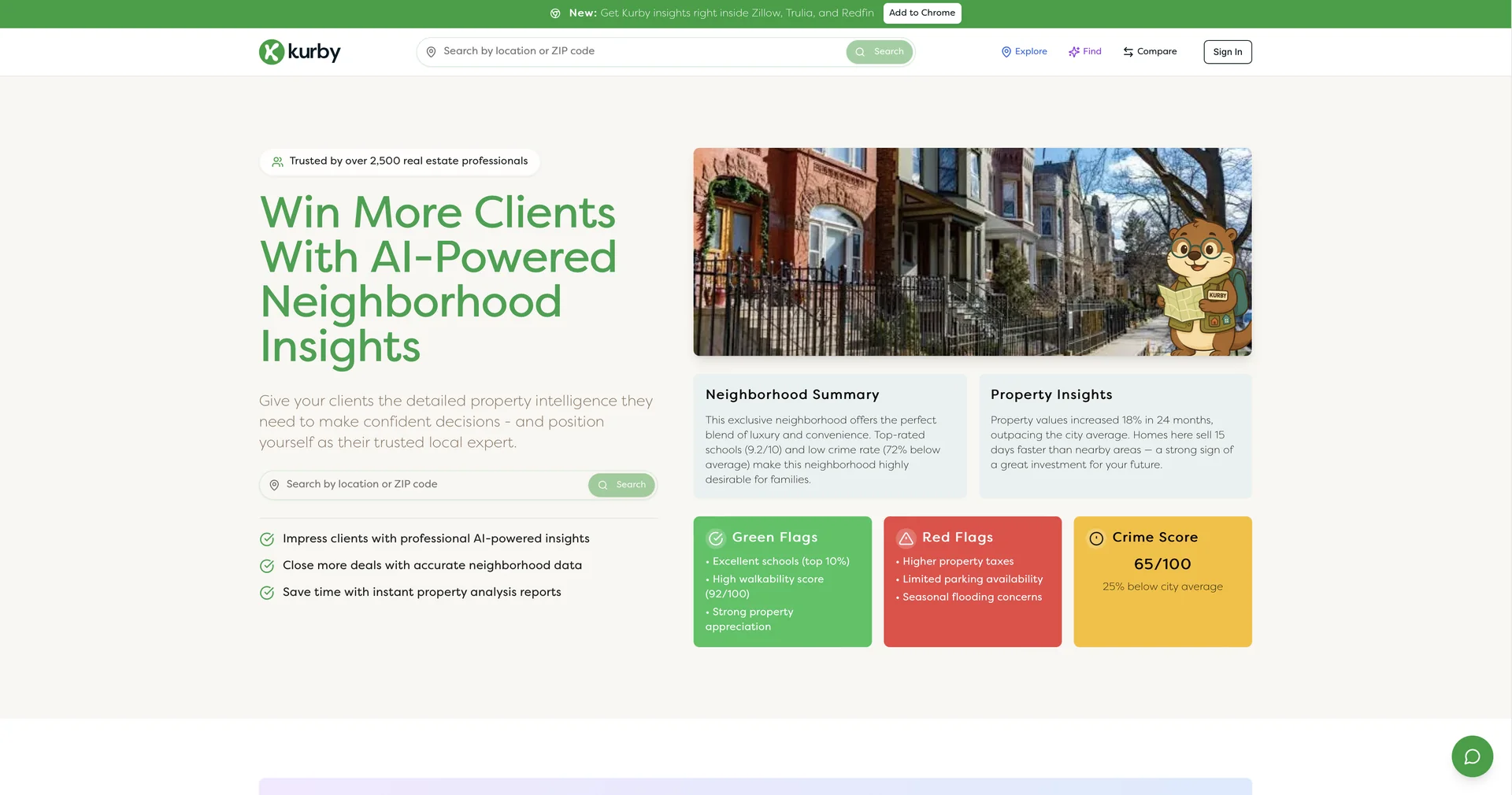
Real estate data + AI

Instant personalized travel itineraries at your fingertips.

Purgebg is a free AI-powered image background removal tool that works directly within the user’s browser, allowing the main subject to be separated from the background with a single click—without the need to create an account or deal with watermarks. Images are processed locally on the user’s device; they are not sent to Purgebg’s servers for processing. The tool supports PNG, JPG, and WebP images, and allows users to upload images or paste them directly from the clipboard.
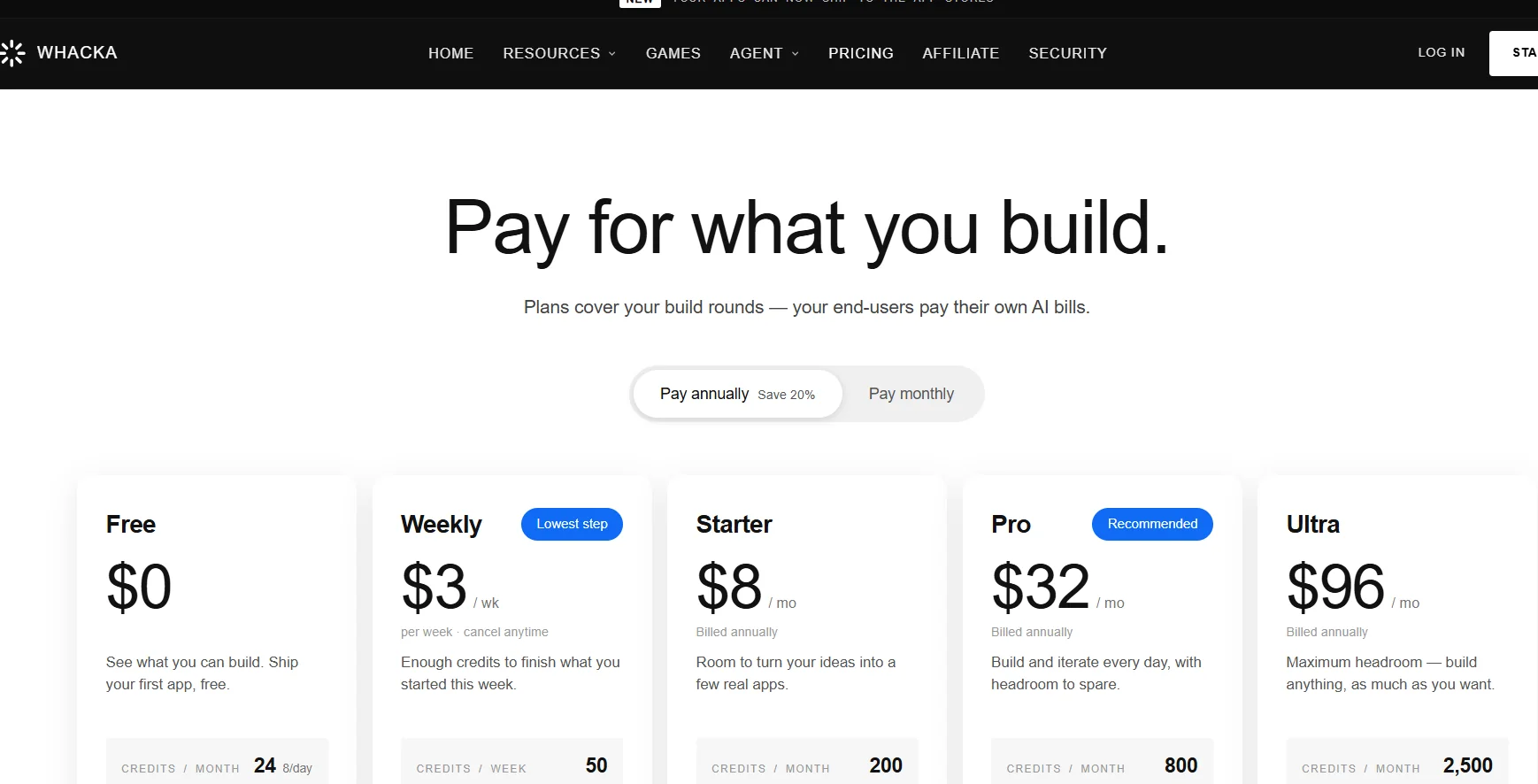
Whacka provides a platform for building real applications without the need to write code; users can describe their app idea or the changes they want in natural language, and the platform handles the creation of the interface, data, logic, and a usable app, with the ability to see the result immediately through a conversation-based building process. The platform explains that an app can be up and running in minutes, without requiring any prior programming knowledge or a development team.
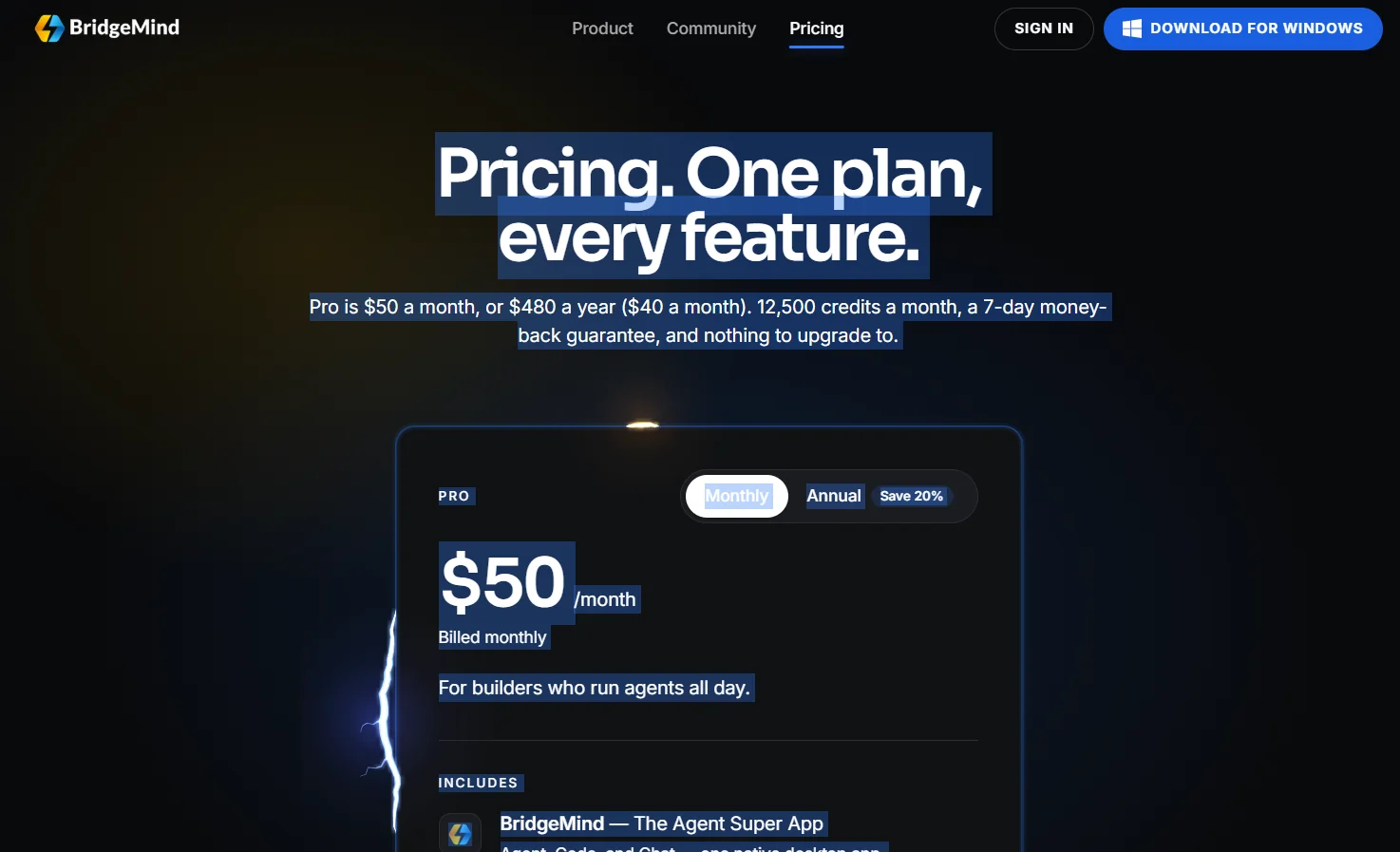
BridgeMind offers a unified app under the concept of “The Agent Super App,” which combines AI agents that can be operated according to schedules and routines, a dedicated workspace for Vibe Coding, and a standalone mode for conversing with AI. The app combines Agent, Code, and Chat modes into a single desktop interface.
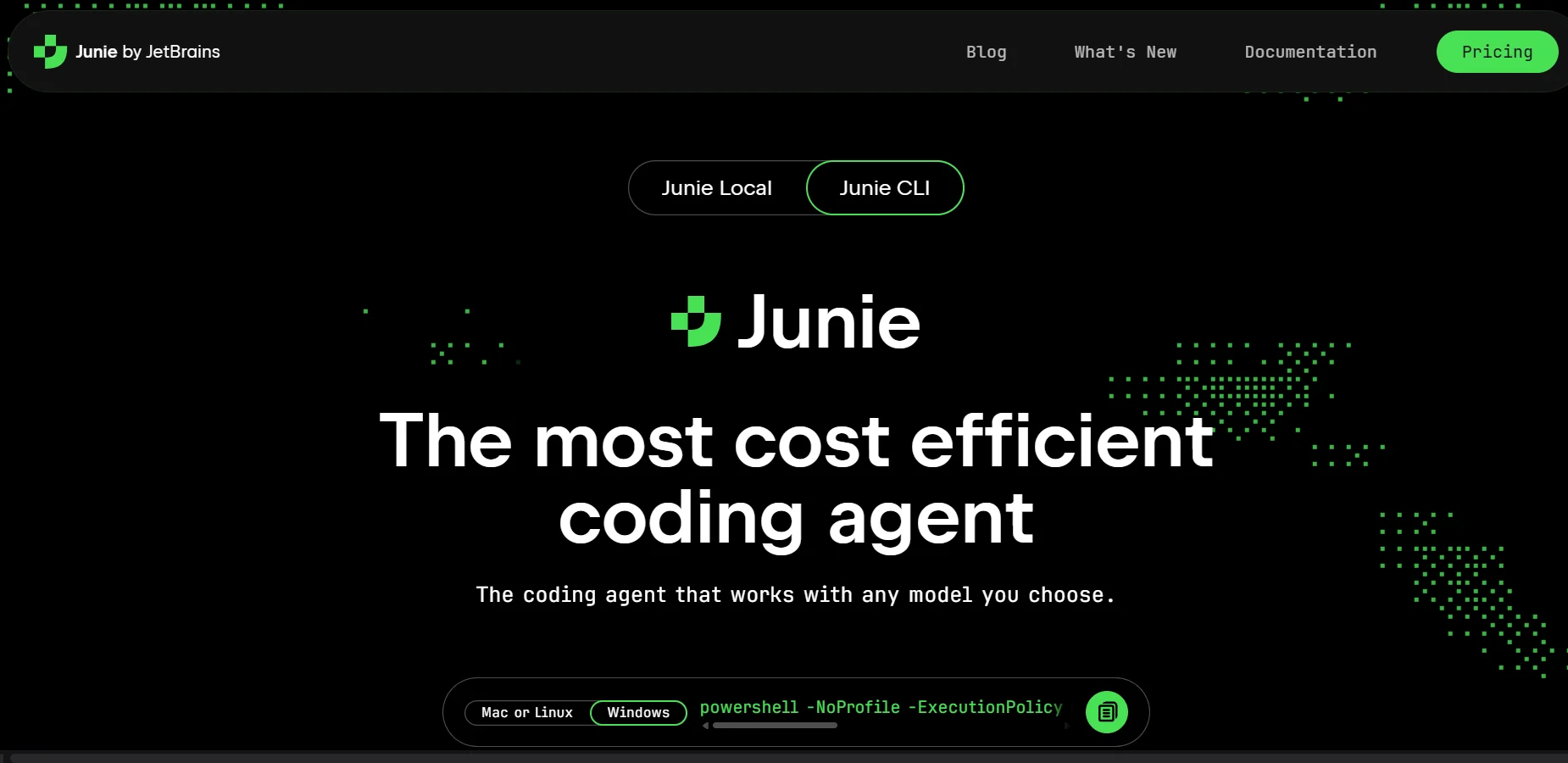
Junie is an AI-powered software agent from JetBrains, designed to help developers read, write, and modify code, as well as perform software engineering tasks interactively. Junie runs in the terminal, is available within JetBrains IDEs and Android Studio, and can also be used with GitHub and GitLab to perform tasks related to issues and pull requests.
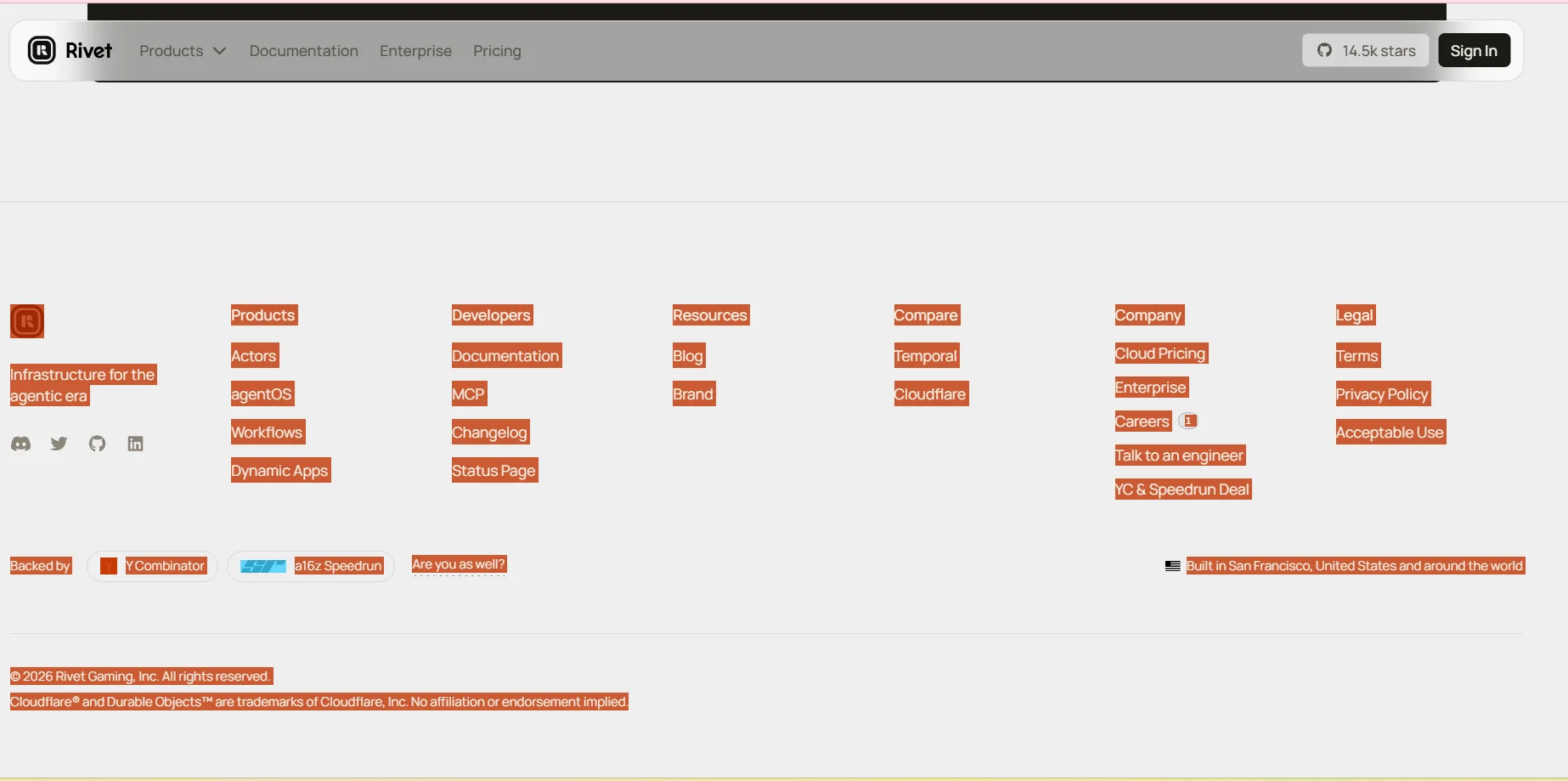
Rivet provides a comprehensive infrastructure for the age of agents, designed to coordinate AI agents, run their environments, automate their tasks, and deploy the applications they build. The platform consists of four core layers: Actors, which provide robust and persistent operations for agents; agentOS, which provides an isolated computing environment for each agent; Workflows, which enable the creation of multi-step processes that can be resumed after failures and restarted; and Dynamic Apps, which deploy the applications created by the agents.

AI-powered investment research platform
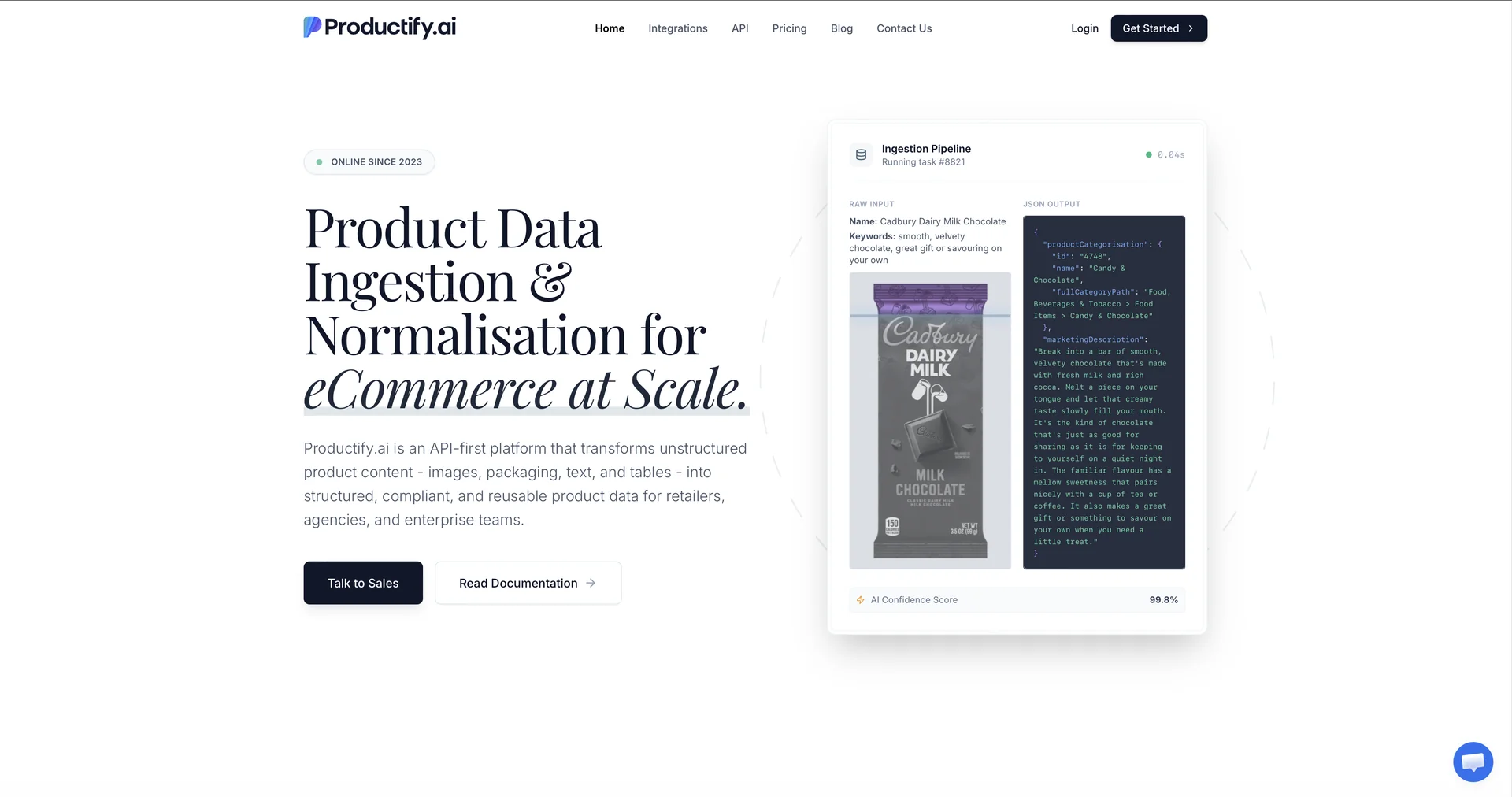
AI-driven product content generation for business growth
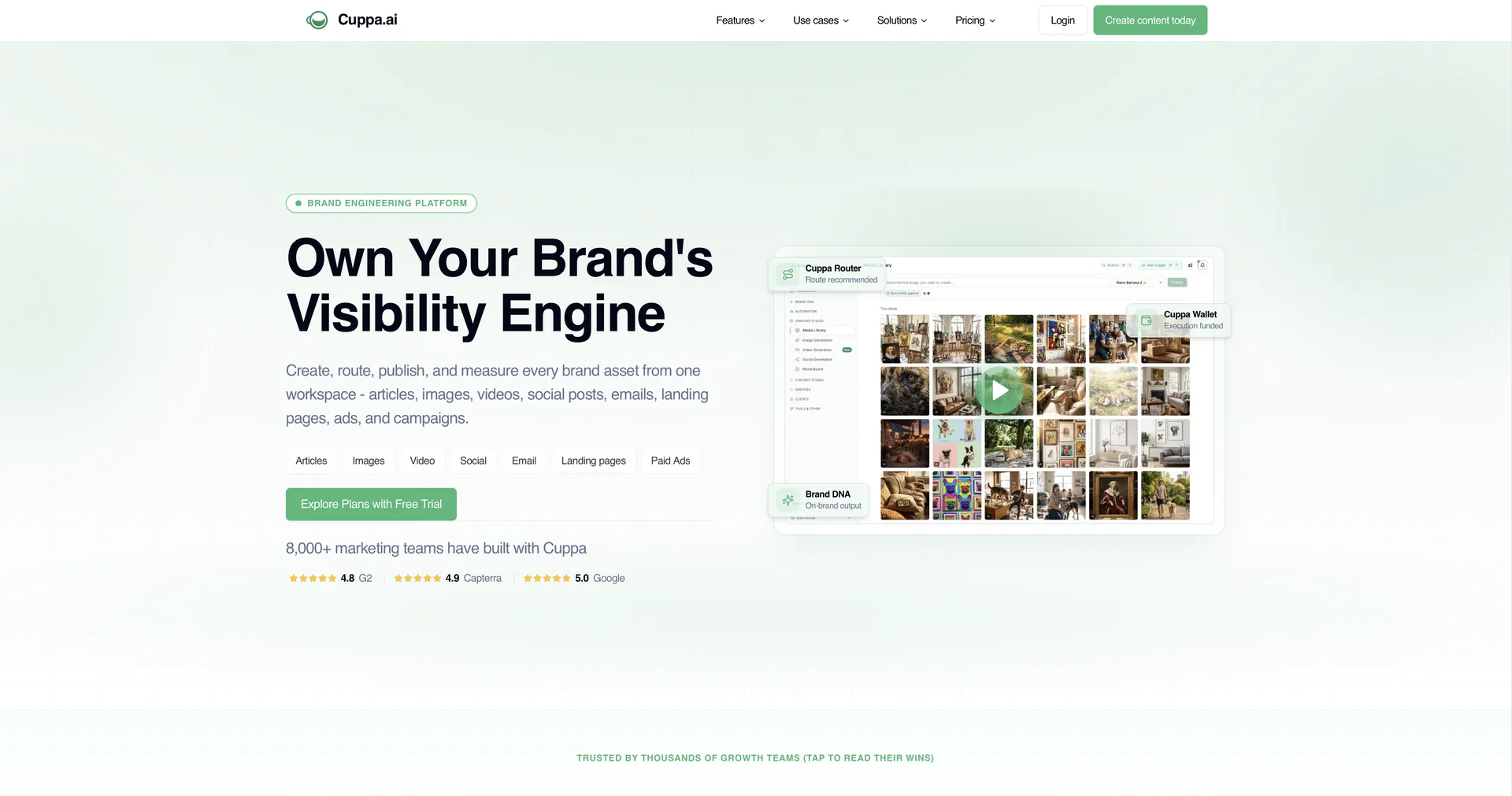
Create SEO blog posts in the time it takes to drink coffee.