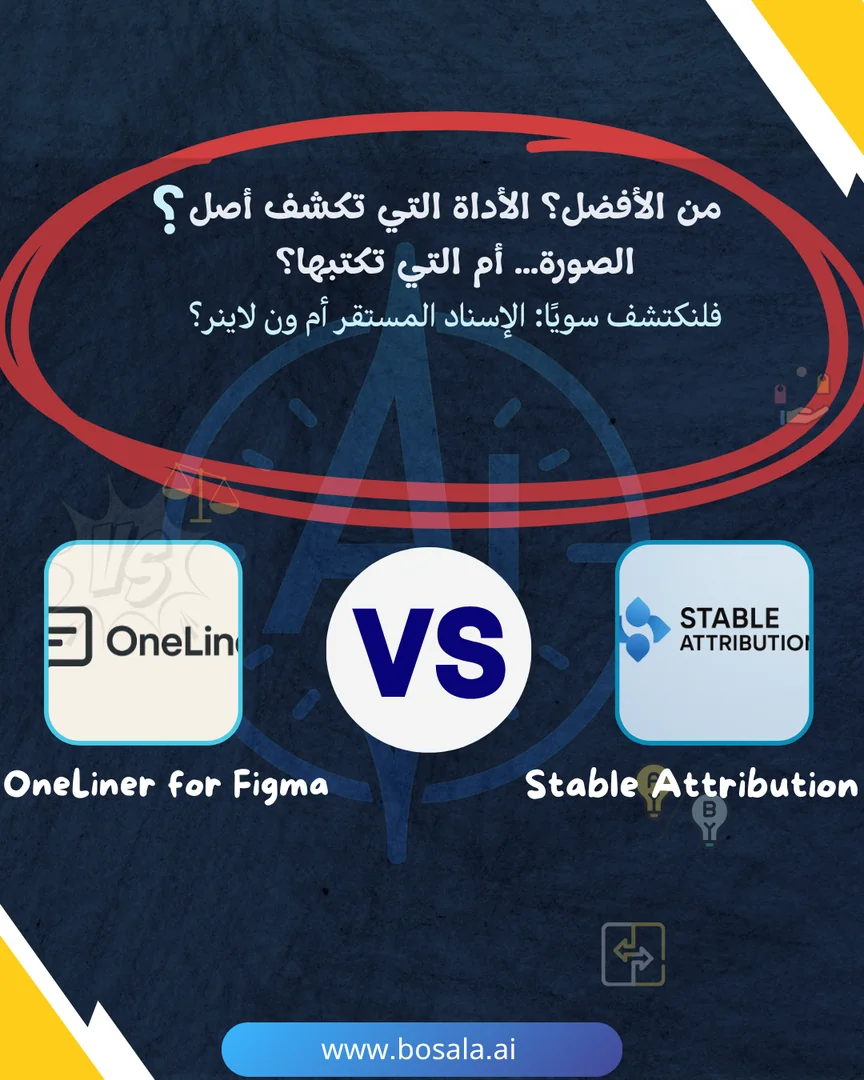
Head-to-head comparison: Stable Attribution or OneLiner?
· 1 min read

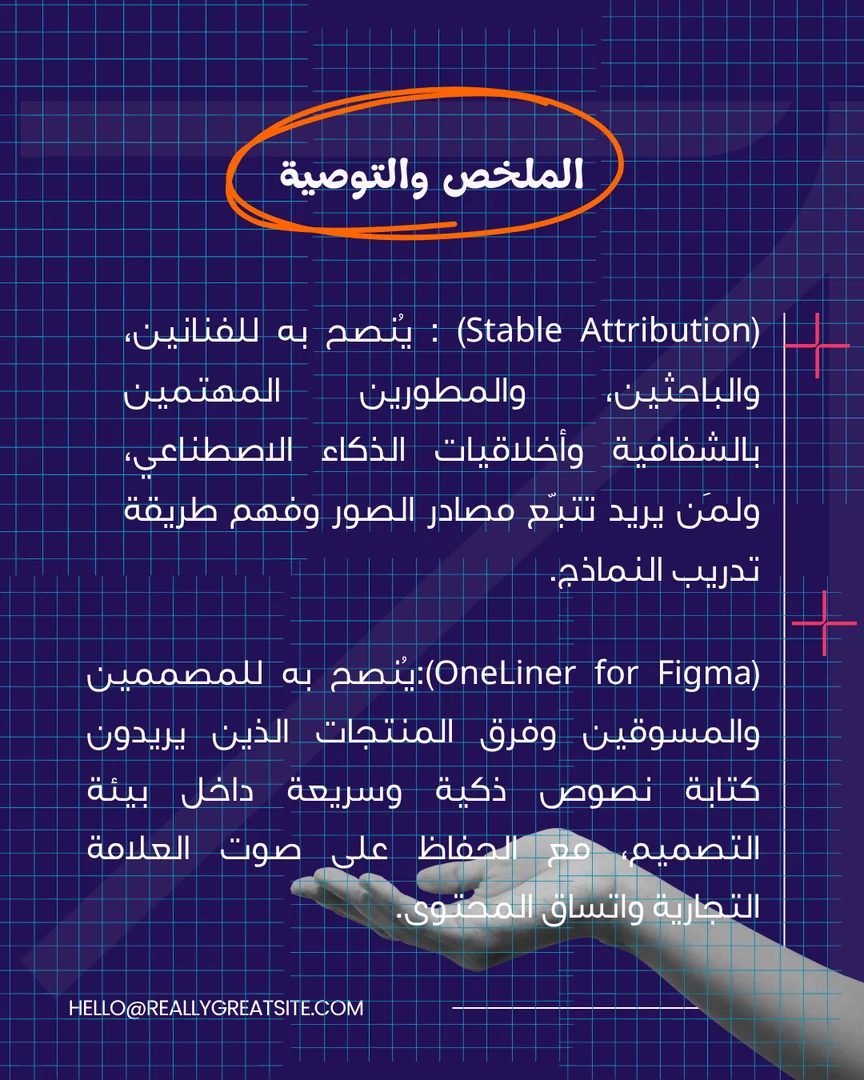
Between ethical transparency and design creativity, AI pathways intersect to give us tools that are different in purpose but complementary in impact.
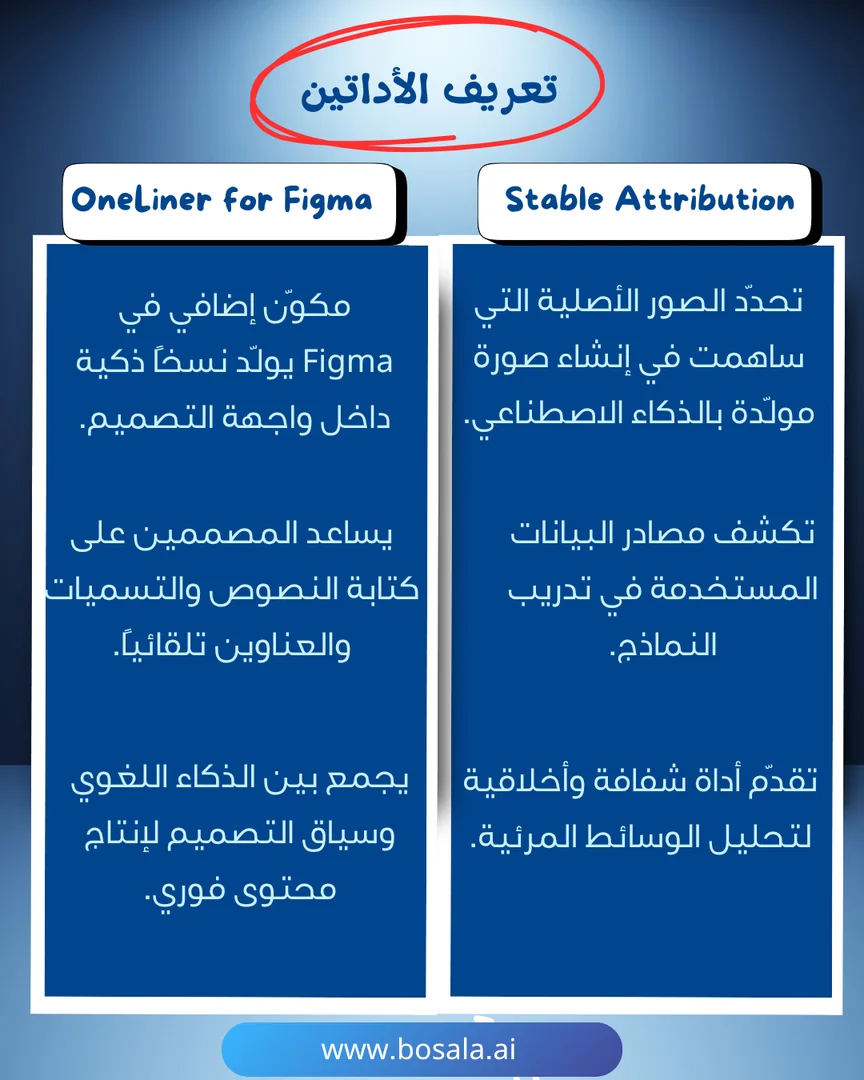
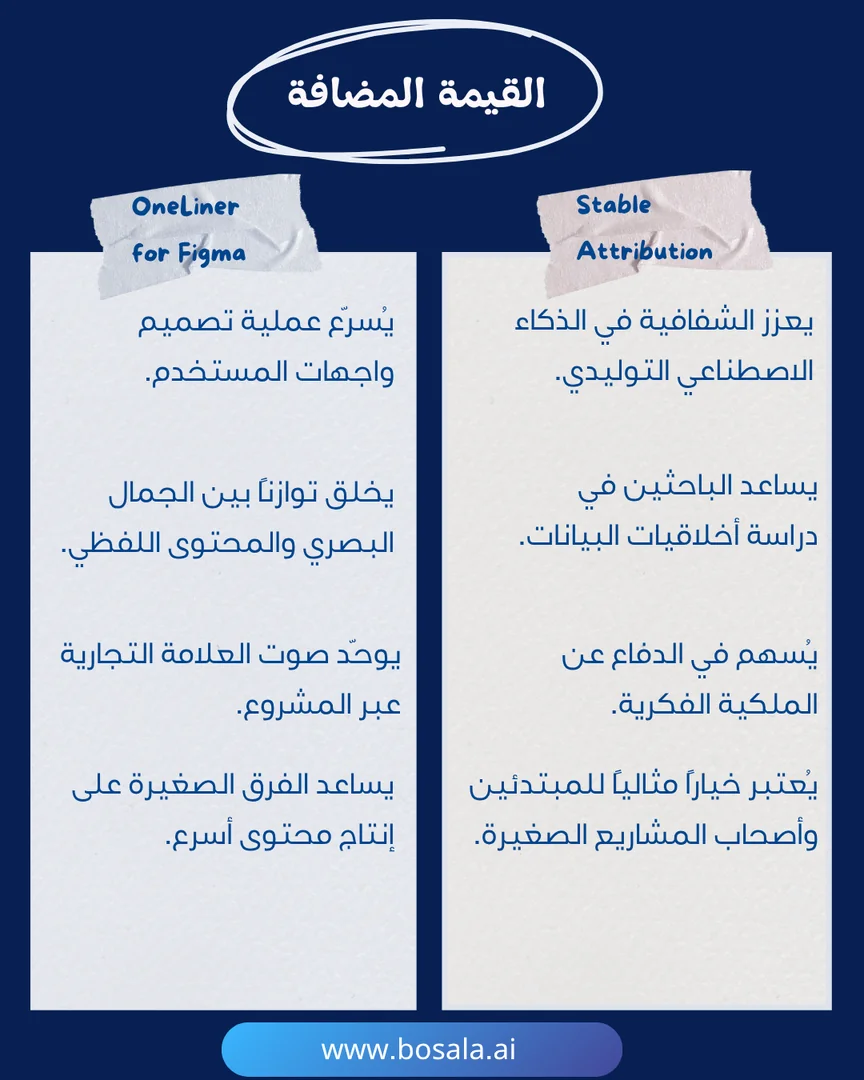
Stable Attribution focuses on analyzing generated images and uncovering their original sources to ensure integrity and clarity.
while OneLiner puts linguistic intelligence at the service of designers within Figma, creating text that is consistent with the design context.
Both tools offer a unique twist: One to protect creativity, the other to enhance visual communication.
Follow the slides below to find out which tool best suits your working style.
Image Gallery
About OneLiner (For Figma)
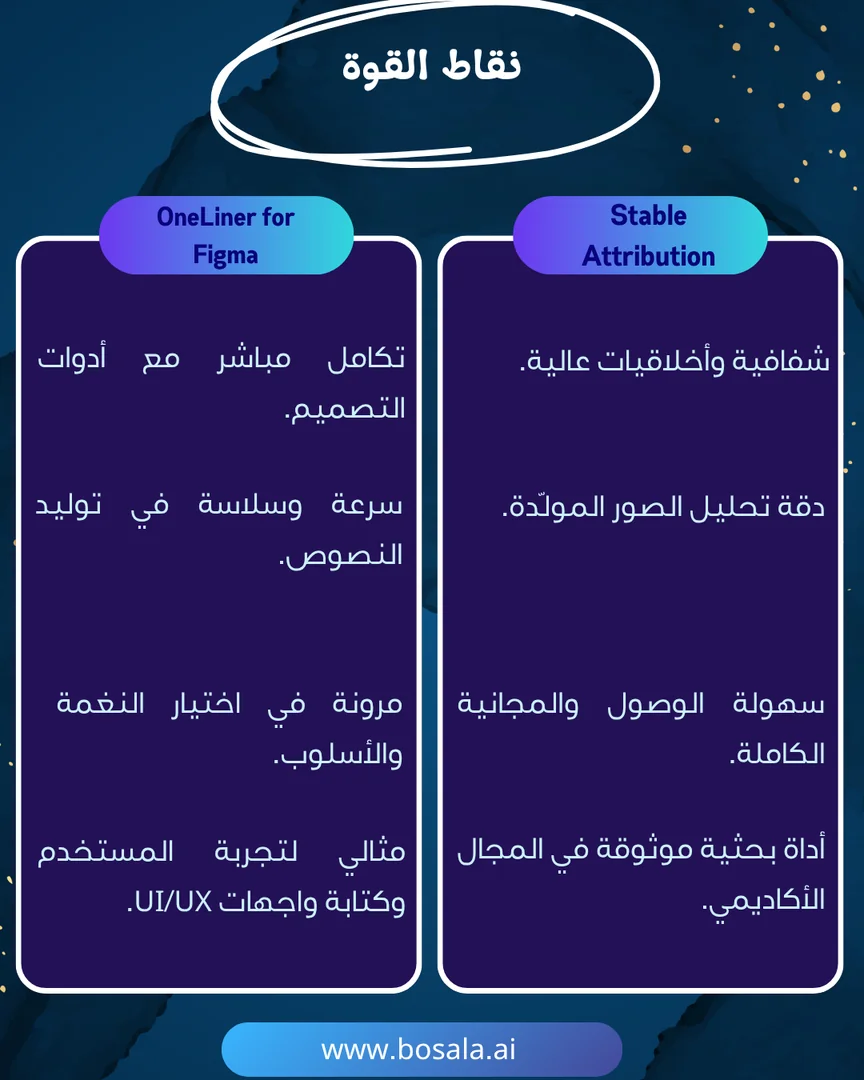
- Generates context-aware copy directly inside Figma
- Suggests one-liners, CTAs, headlines, button text and tooltips
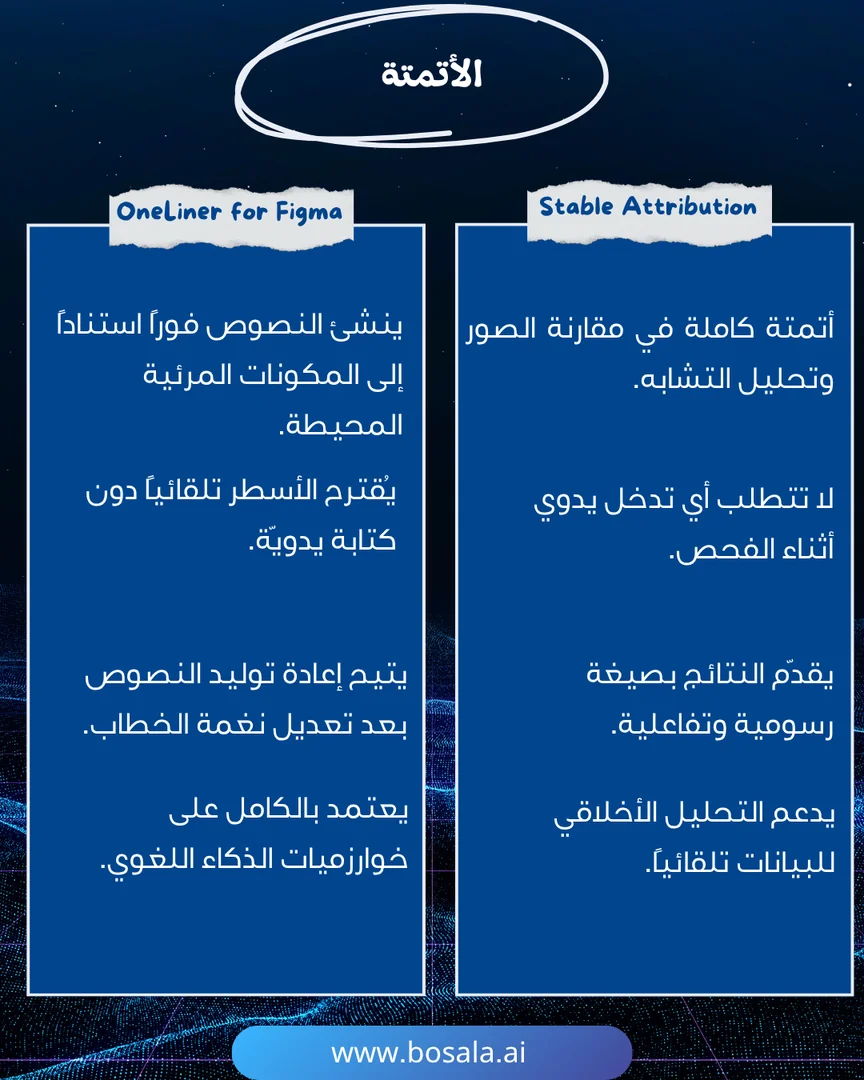
- Replaces placeholder text with meaningful language
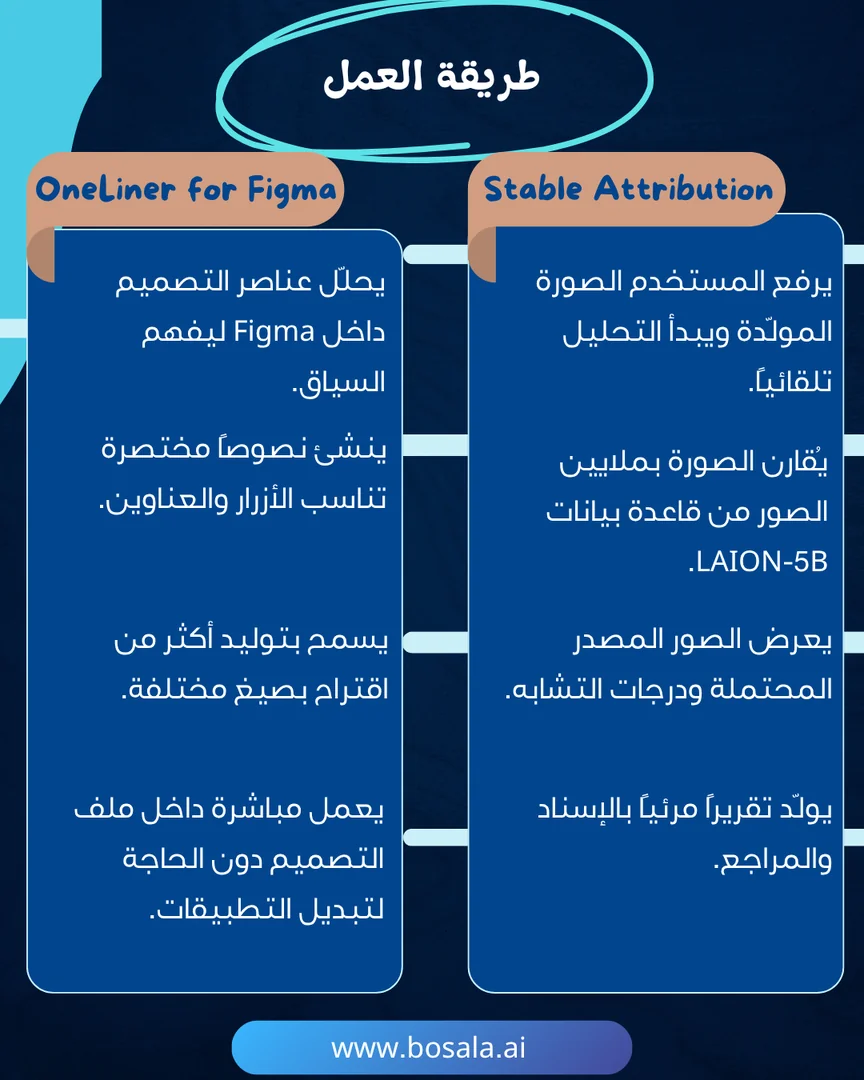
- Analyzes surrounding design elements to inform the copy
- Generates multiple variations based on your prompt or tone
About Stable Attribution
- Analyzes an AI-generated image to find likely training images
- Matches and displays source images from the LAION-5B dataset
- Scores and ranks source images by similarity
- Provides visual evidence of attribution
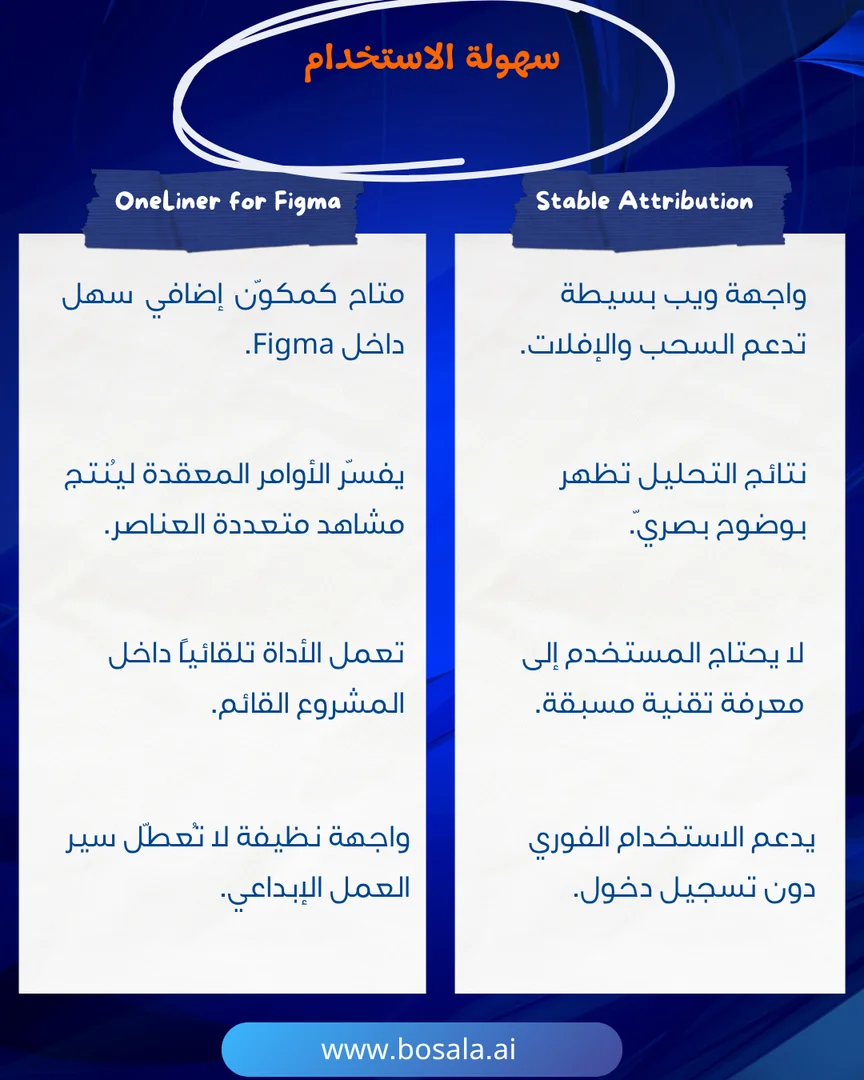
- Supports upload or drag-and-drop in a web interface
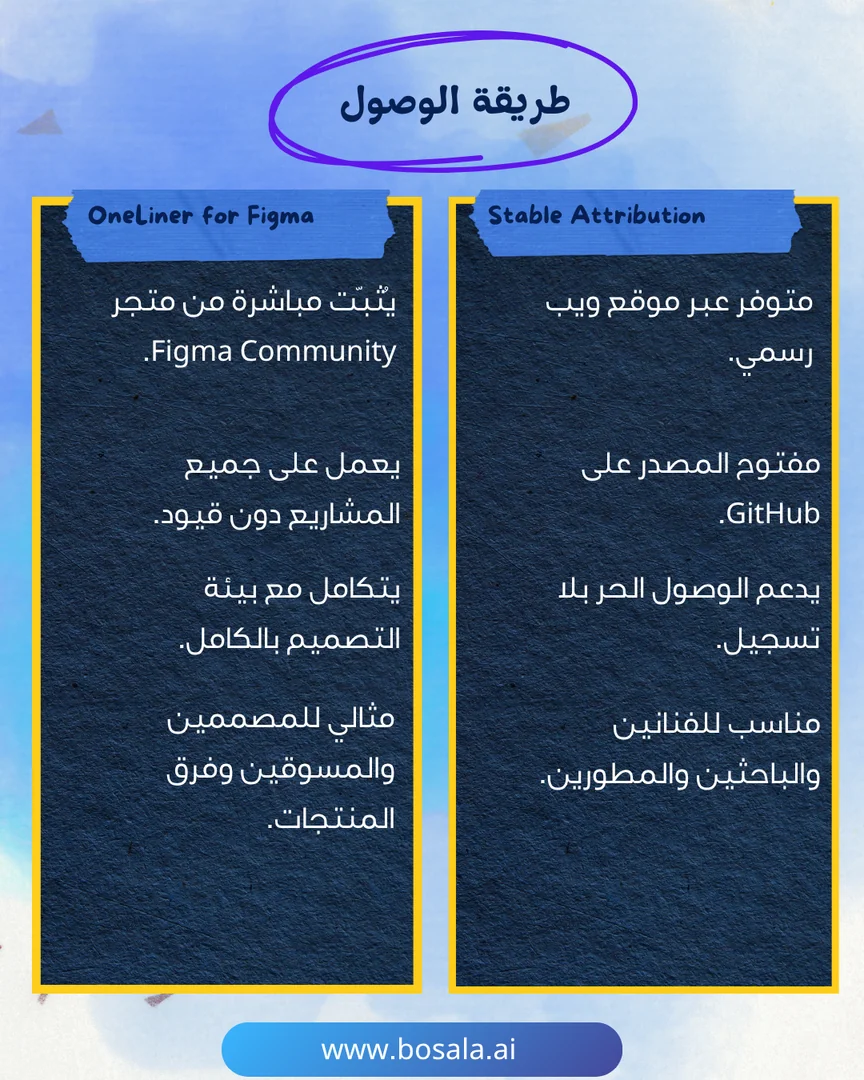
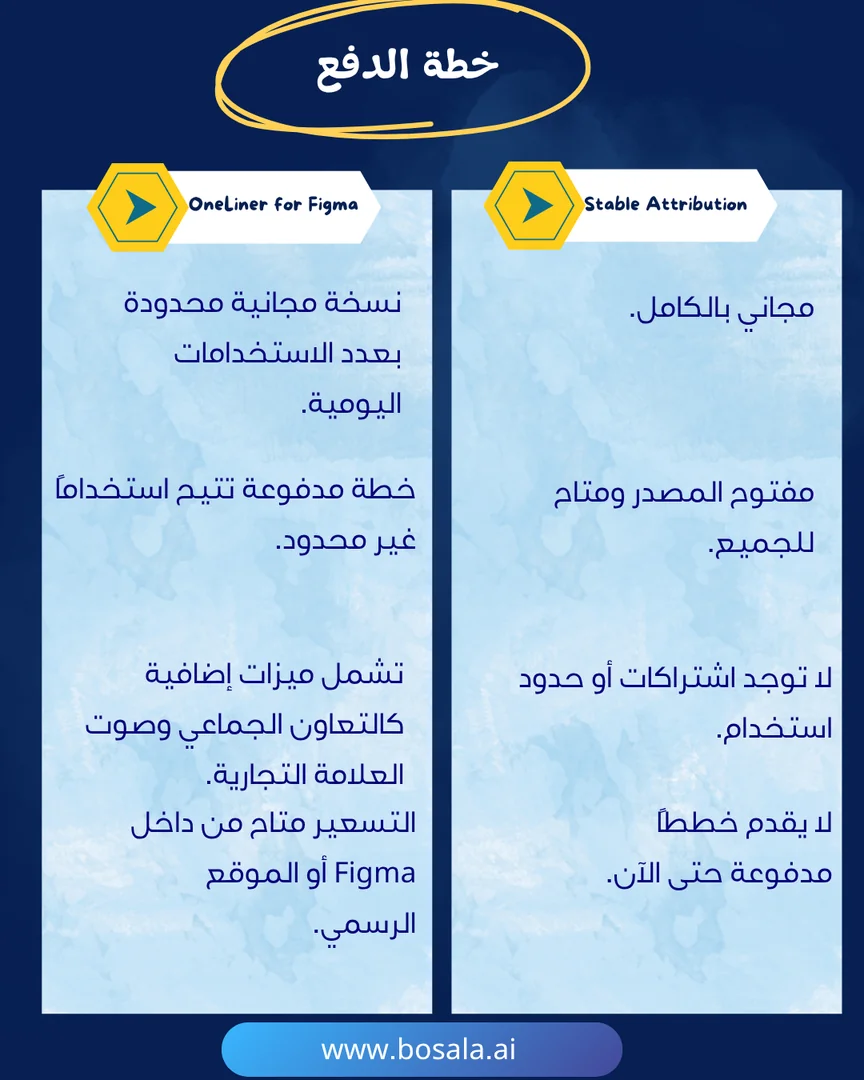
- Needs no login or subscription
Related Tips
- A professional prompt for turning a meal name into a full recipe infographic
- Bosala Brand Studio Explains: How to Create a Complete Visual Identity from a Logo in Minutes?
- An Explanation of GeminiGen AI for Creating Videos and Images for Children
- A Comparison of VisualGPT and NoteGPT for Creating Free Images and Designs on GPT Image 2
- Ready-made prompts for designing countries, their landmarks, and their most famous dishes