AI Bosala

العربية

Programming & Development

Tools in Programming & Development

874 tools

Filter and sort these tools

  1. Shanbay

    New this week

    Shanbay is a Chinese company specializing in the development and operation of e-learning products. Founded in 2011, it offers a range of educational apps focused on English language learning, test preparation, and digital skills development. Its products include vocabulary, reading, listening, speaking, programming, and data analysis, as well as educational courses for students and adults.

  2. APIMart

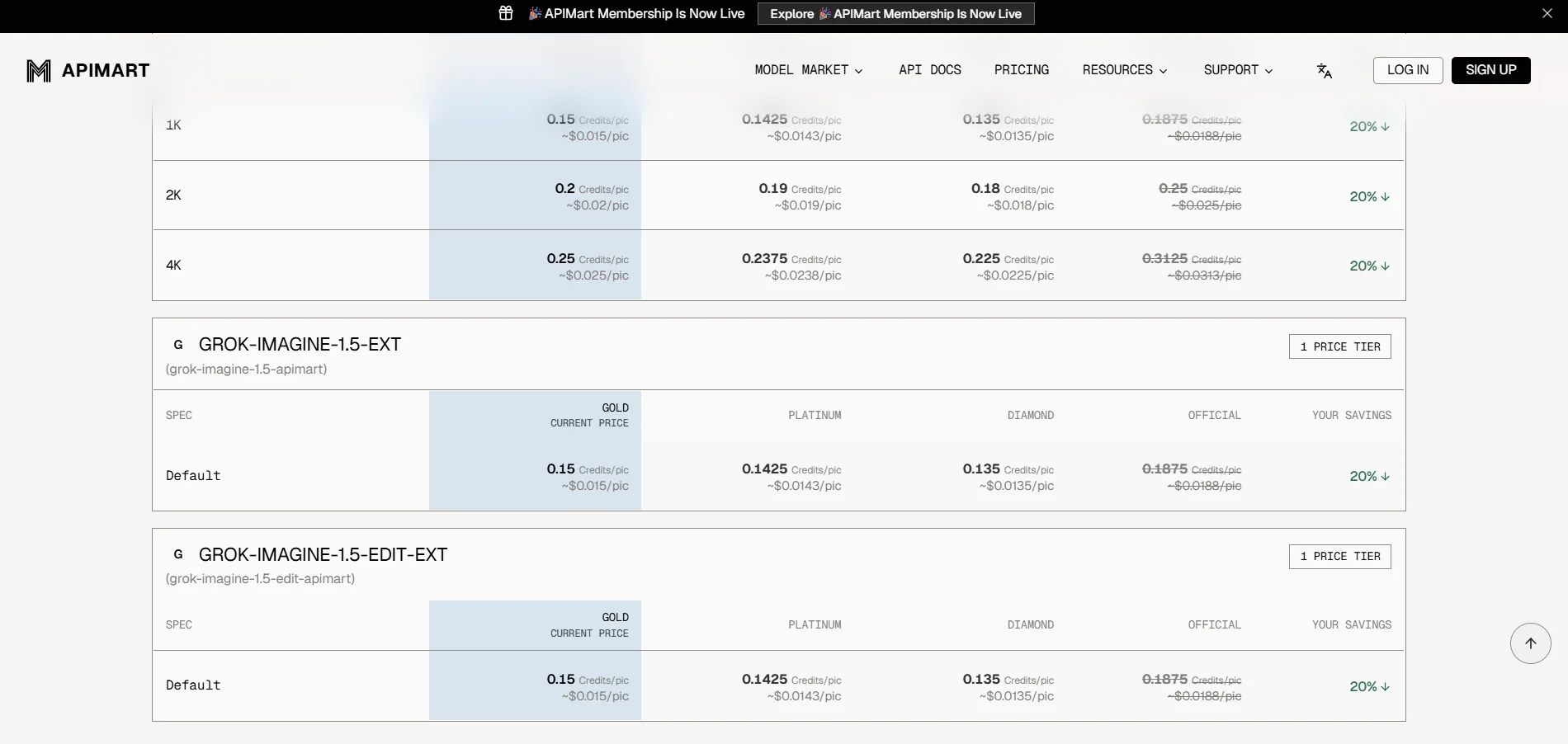
    APIMart is a unified platform that provides access to more than 500 AI models through a single OpenAI-compatible API interface, including models for conversation, language, images, video, audio, and music. The platform allows developers to use multiple models from different providers without having to manage separate API keys and accounts for each provider, with the ability to use models such as GPT, Gemini, Claude, Flux, GPT Image, Sora, Veo, Kling, Seedance, Seedream, Suno, Wan, Vidu, and others. It also provides a unified dashboard for managing keys, quotas, usage, billing, and logs, as well as documentation and examples for software integration. APIMart explains that its system is based on pay-per-successful-request and actual usage, with no monthly minimum, and offers volume-based discounts.

  3. Assindo

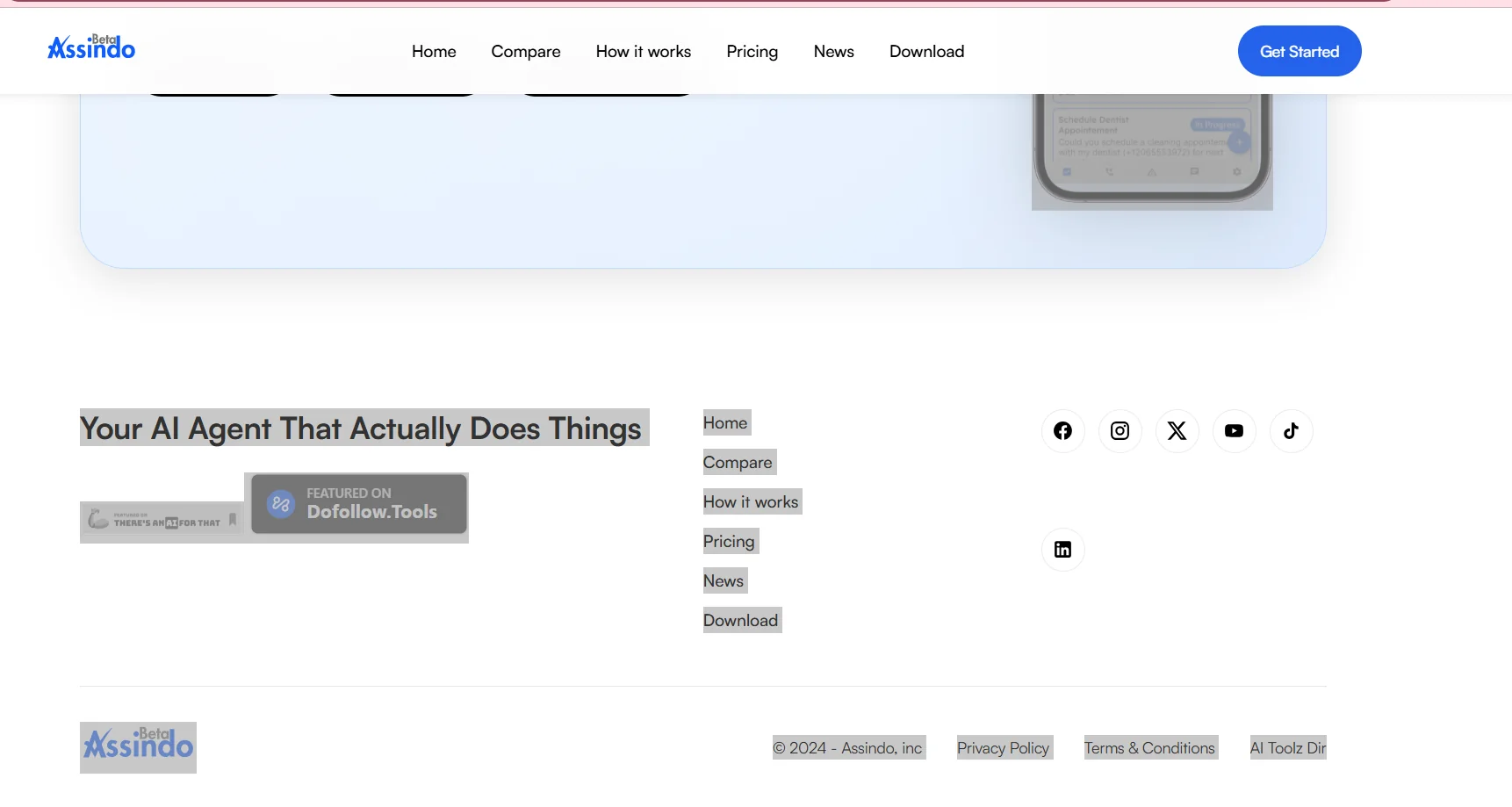
    Assindo is a personal AI agent designed to actually perform tasks on behalf of the user, rather than simply providing answers or suggestions. It can make and receive phone calls, search the web and gather information, post on social media, schedule and execute tasks, find and contact local businesses, and handle multi-step tasks independently. It can be used via mobile apps or a web browser, without the need to set up servers, install Docker, use the command line, or manage API keys and infrastructure.

  4. Thremark

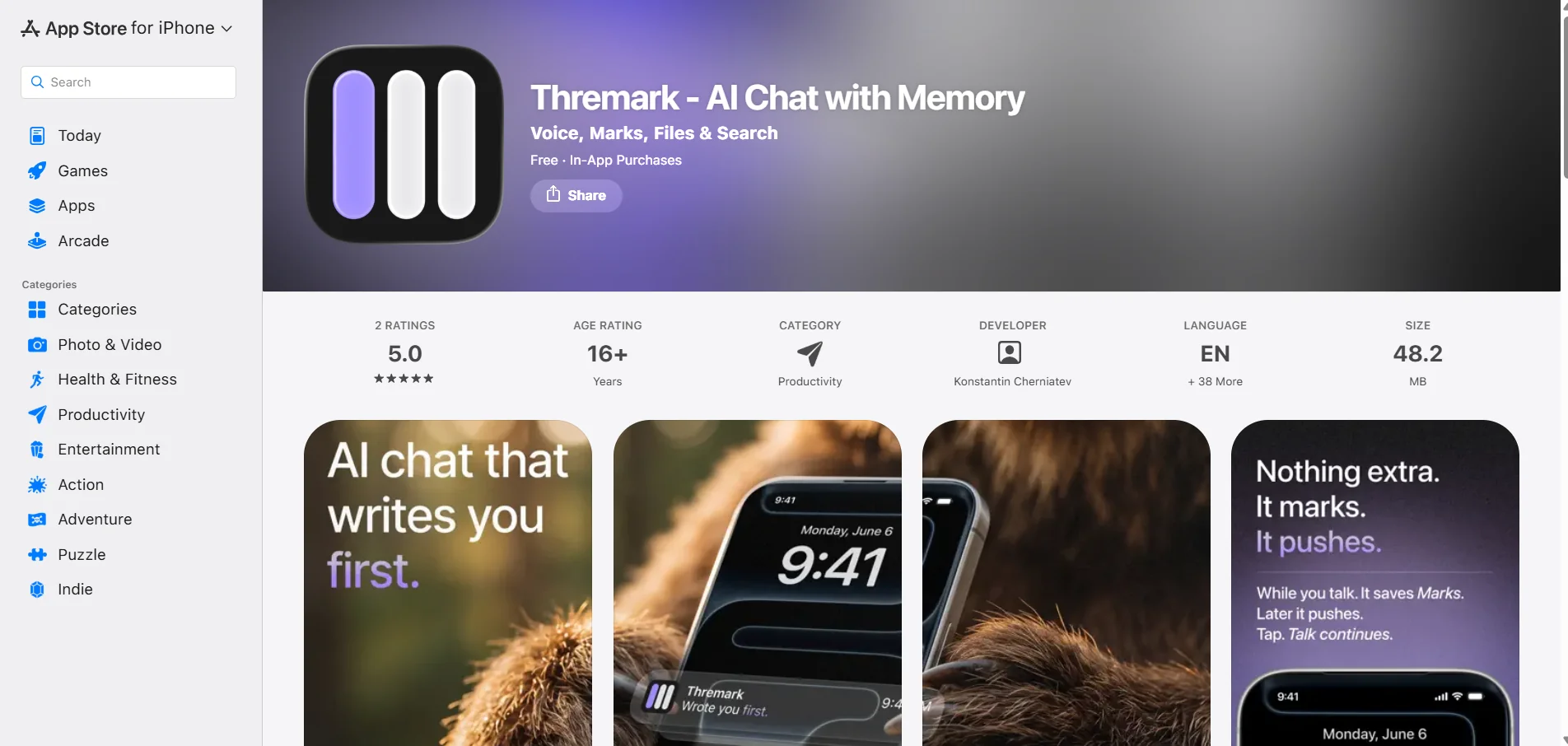
    Thremark is an AI-powered chat app focused on memory and personal context, allowing users to interact with models such as GPT, Claude, and Gemini through a single interface, with the ability to use voice, image generation, web search, and file handling. The app works without the need to manually select a model; the app description explains that the appropriate model is automatically activated based on the task.

  5. Parasail

    Parasail offers an Inference Cloud tailored for AI-driven startups, with a focus on reliability, performance, and scalability. The platform states that it serves trillions of tokens daily, provides Day 0 support for cutting-edge large language models (LLMs), and is up to 30 times cheaper than legacy clouds. It includes a model library containing over 40 open and cutting-edge models, with the ability to filter models, compare their specifications, and invoke them through a single OpenAI-compatible API. Among the models featured are GLM-5.3 from Z.AI, Kimi K3 from Moonshot, DeepSeek V4 Flash, and MiniMax M3. It also provides agentic optimization to balance speed, quality, and cost, using lossless compression by default and avoiding hidden quantization, with the option to select lossy acceleration when needed. It also offers flexible drawdown billing for a single commitment across models or hardware, and elastic endpoints that scale according to actual traffic, so users pay only for the tokens they use. It also provides access to open models and user-specific fine-tunes through a single API interface, and offers options for serverless endpoints, elastic endpoints, dedicated deployments, and batch processing.

  6. Since.dev

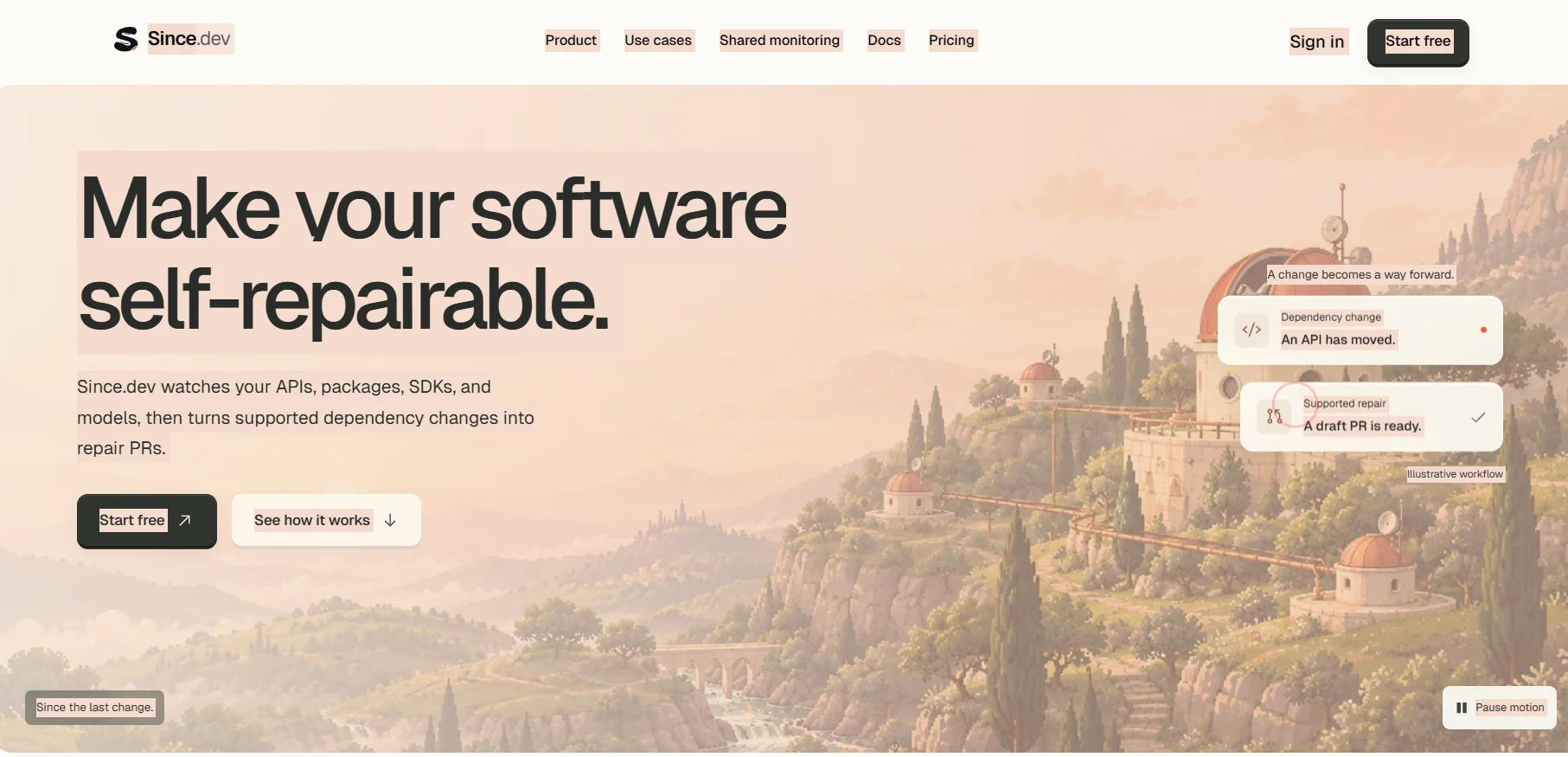
    Since.dev is a platform for monitoring software and making it self-healing; it monitors APIs, packages, SDKs, and models, then converts changes to supported dependencies into pull requests (PRs) for fixes. The platform allows you to connect a GitHub repository to see what has changed, find the affected code, and review a supported fix. The workflow includes detecting external changes, determining their impact on the code, preparing a small supported fix, and then reviewing it through the user’s CI. Sources that can be monitored include npm, GitHub, PyPI, Rust, OpenAPI, and RubyGems. It also supports monitoring API changes, SDK updates, deprecations, and provider changes. The API Contract feature links a documented API change to the calls that use it, with the ability to review a supported fix for an endpoint, parameter, or version, An example of this is changing the endpoint from /v1/messages to /v2/messages within src/integrations/messages.ts. The platform provides supported fixes and draft PRs, while testing is conducted within the user’s repository and the user chooses what to ship; nothing is automatically merged or deployed; Draft PRs use the user’s existing CI system, with the ability to request modifications and review the updated patch within the PR itself. Since.dev also offers the World State feature, which allows agents to verify their assumptions against the latest recorded observation before performing any action; the external state includes facts, versions, and service provider conditions. The Verification feature allows you to check whether recorded information remains valid without performing a new fetch, noting that an “Unknown” status does not necessarily mean the information has not changed; For example, if `example-sdk.version = 19.0.0` has changed to `20.0.0`, the agent receives evidence for review when the observation differs, and must verify the observation timestamp and source status. The platform also offers Shared Evidence, where the public source is checked once for everyone, while each Watch retains its own instructions and notifications; users can specify the changes that matter to them, such as API changes, security fixes, and new releases. Since.dev allows agents to submit the changes they need via MCP, HTTP API, or Signed Webhooks, and uses Durable Cursor to preserve the user’s position, so that a read operation does not move the cursor, while Acknowledge is executed after processing and then the work is resumed from the remaining position. It also supports issue tracking, fact-checking, coverage analysis, and change tracking through the tools used by the agent. The MCP setup includes the URL https://api.since.dev/mcp with an Authorization header, It also provides Integration Guides, which offer context for each change, including the statuses “breaking,” “deprecated,” “behavioral,” “additive,” and “advisory.” The official page explains that monitoring sources are checked on a scheduled basis rather than as a real-time feed, and that coverage includes packages, repositories, specifications, public pages, and supported status sources, while it does not include private sources, those protected by login, or those closed to automated reading.

  7. Kapso

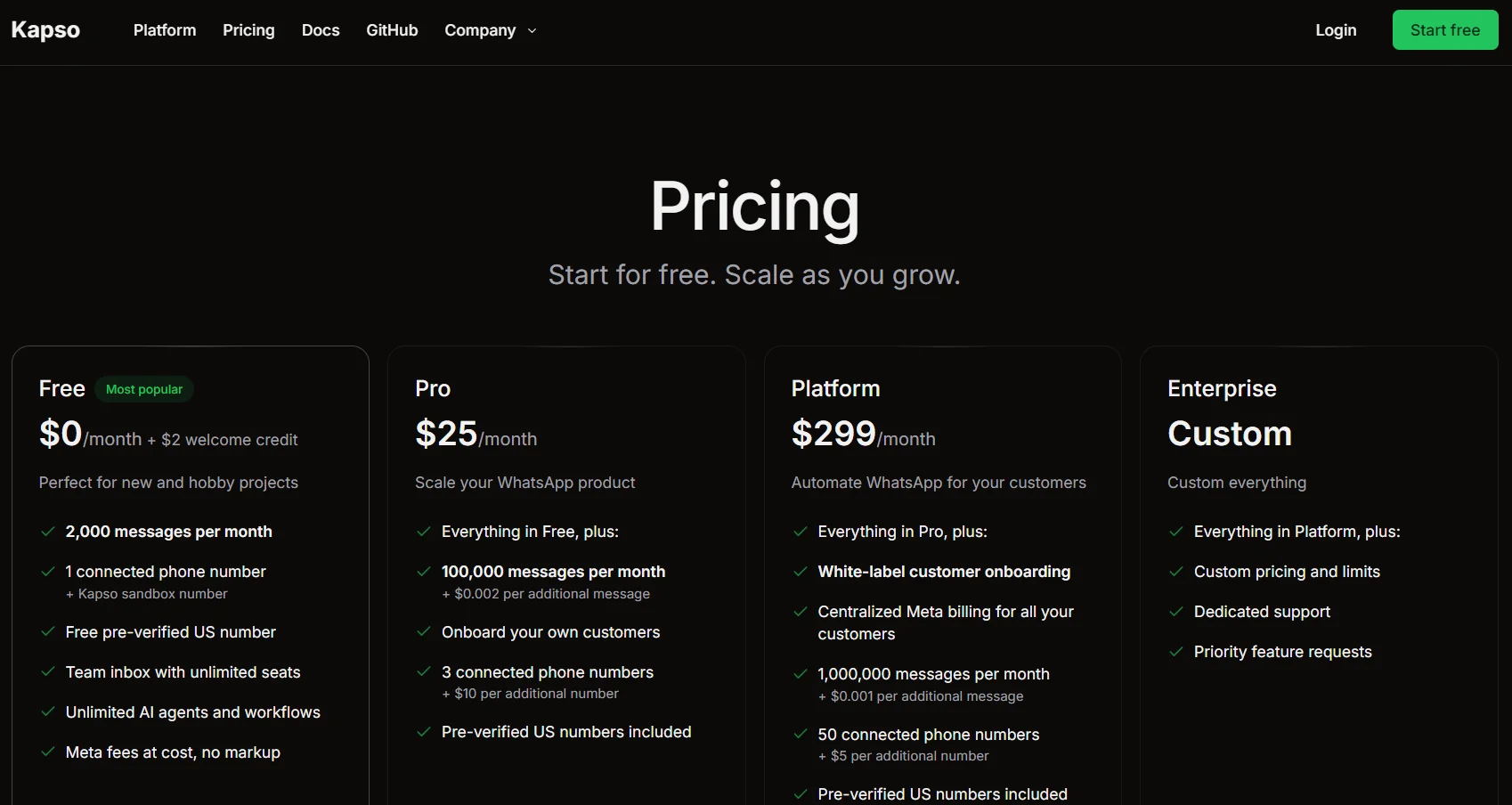
    Kapso is a platform for developers that allows them to integrate the official WhatsApp into their products and applications. It provides the necessary infrastructure to send and receive messages, manage templates and chats, receive events via Webhooks, and build workflows, automations, and AI agents. The platform describes itself as a fast way to add the official WhatsApp to products, with access to WhatsApp’s user base of over 3 billion users, and notes that it is trusted by more than 30,000 developers worldwide. It also positions itself as an official partner within the Meta ecosystem.

  8. whacka

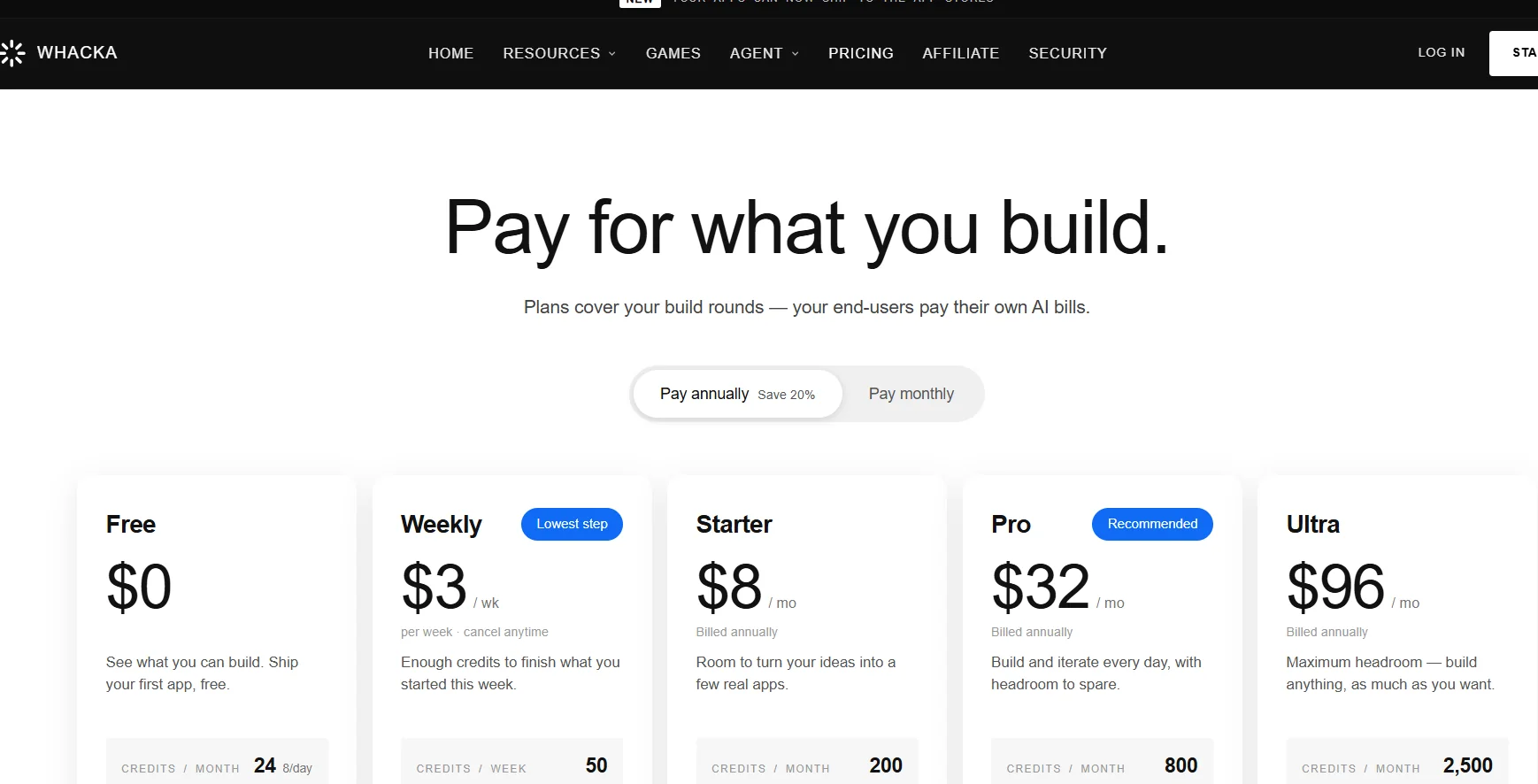
    Whacka provides a platform for building real applications without the need to write code; users can describe their app idea or the changes they want in natural language, and the platform handles the creation of the interface, data, logic, and a usable app, with the ability to see the result immediately through a conversation-based building process. The platform explains that an app can be up and running in minutes, without requiring any prior programming knowledge or a development team.

  9. BridgeMind

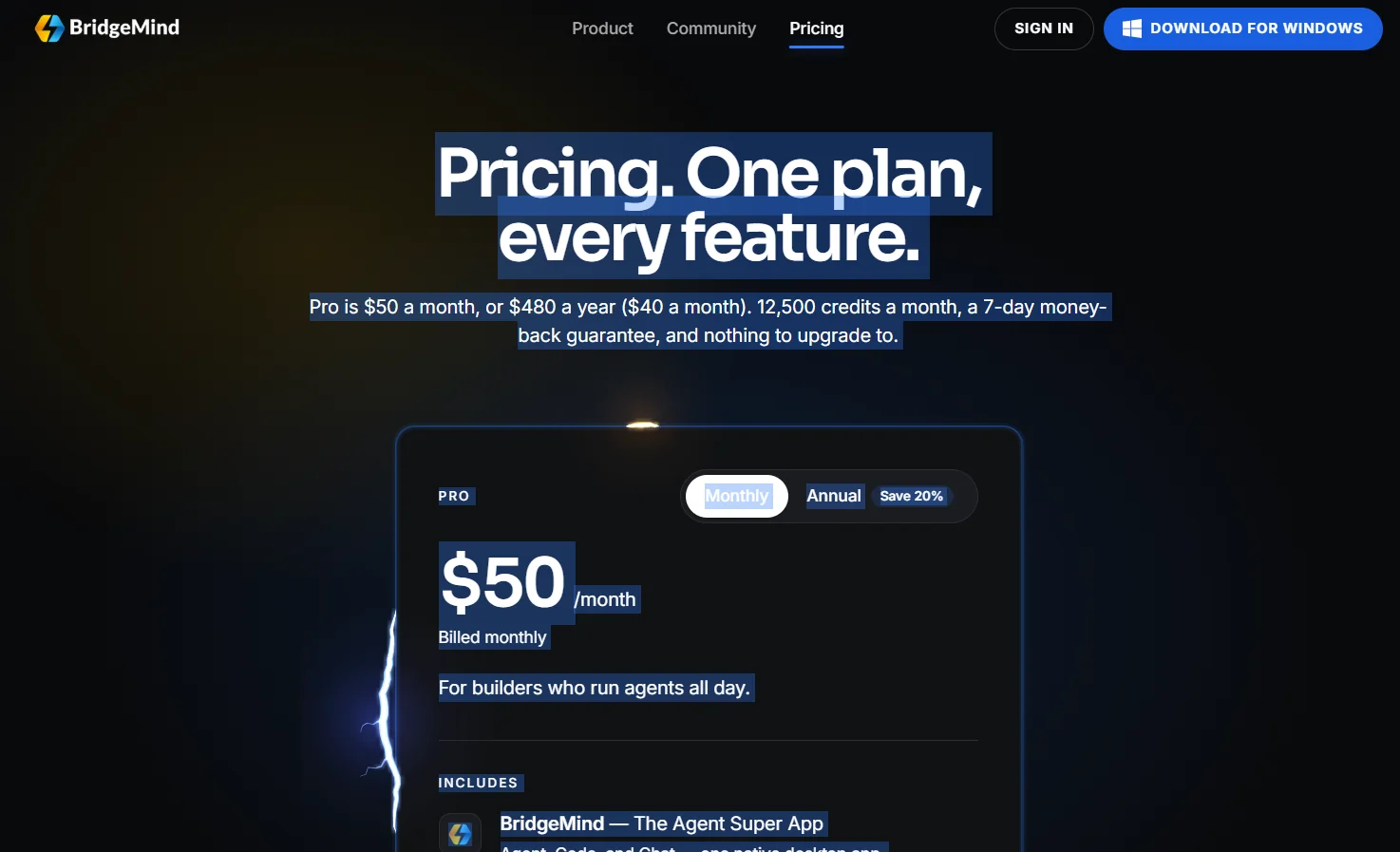
    BridgeMind offers a unified app under the concept of “The Agent Super App,” which combines AI agents that can be operated according to schedules and routines, a dedicated workspace for Vibe Coding, and a standalone mode for conversing with AI. The app combines Agent, Code, and Chat modes into a single desktop interface.

  10. Junie

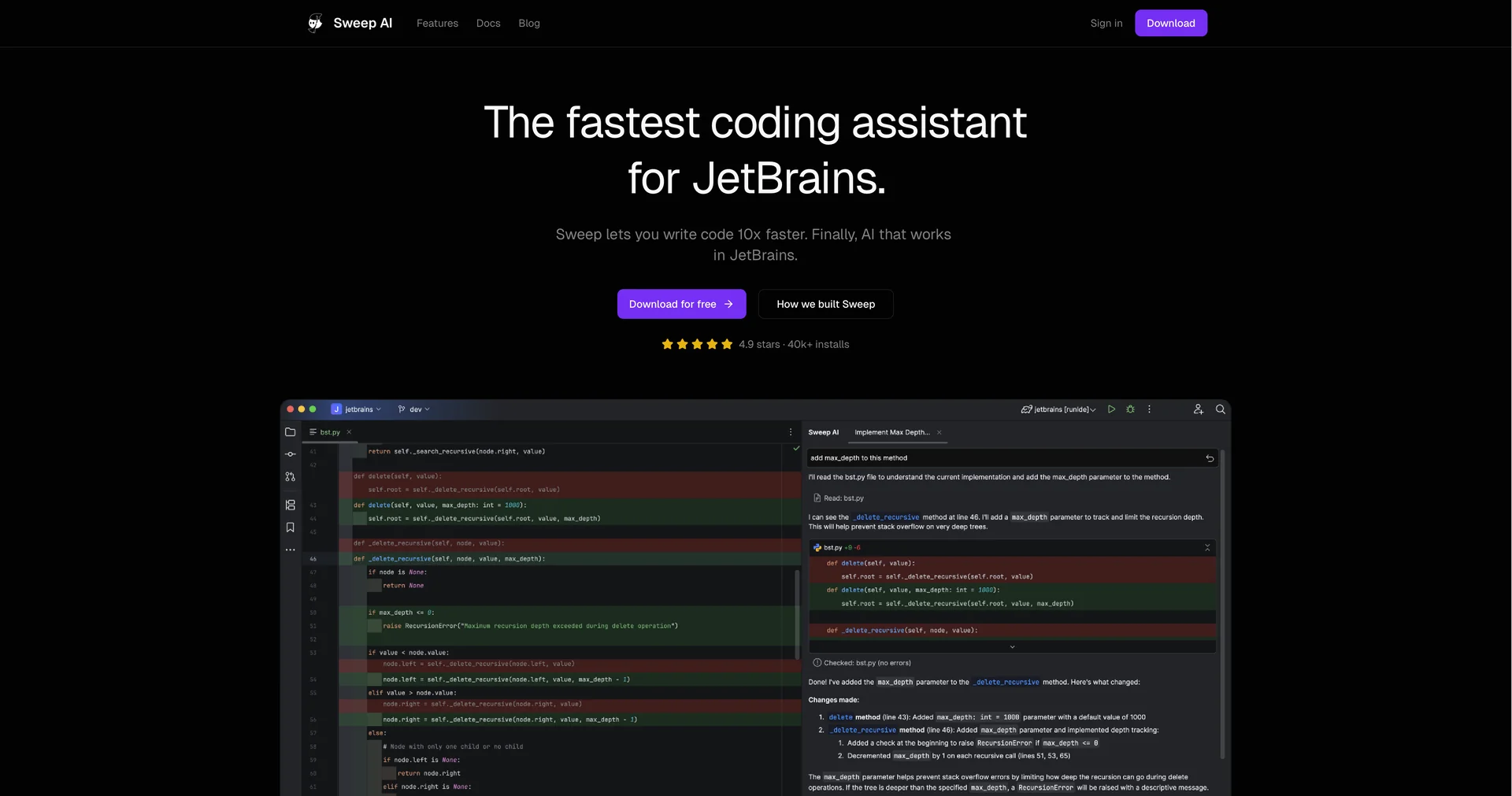
    Junie is an AI-powered software agent from JetBrains, designed to help developers read, write, and modify code, as well as perform software engineering tasks interactively. Junie runs in the terminal, is available within JetBrains IDEs and Android Studio, and can also be used with GitHub and GitLab to perform tasks related to issues and pull requests.

  11. Rivet

    Rivet provides a comprehensive infrastructure for the age of agents, designed to coordinate AI agents, run their environments, automate their tasks, and deploy the applications they build. The platform consists of four core layers: Actors, which provide robust and persistent operations for agents; agentOS, which provides an isolated computing environment for each agent; Workflows, which enable the creation of multi-step processes that can be resumed after failures and restarted; and Dynamic Apps, which deploy the applications created by the agents.