AI Bosala

العربية

AI Tools

5,122 results

  1. Hatch

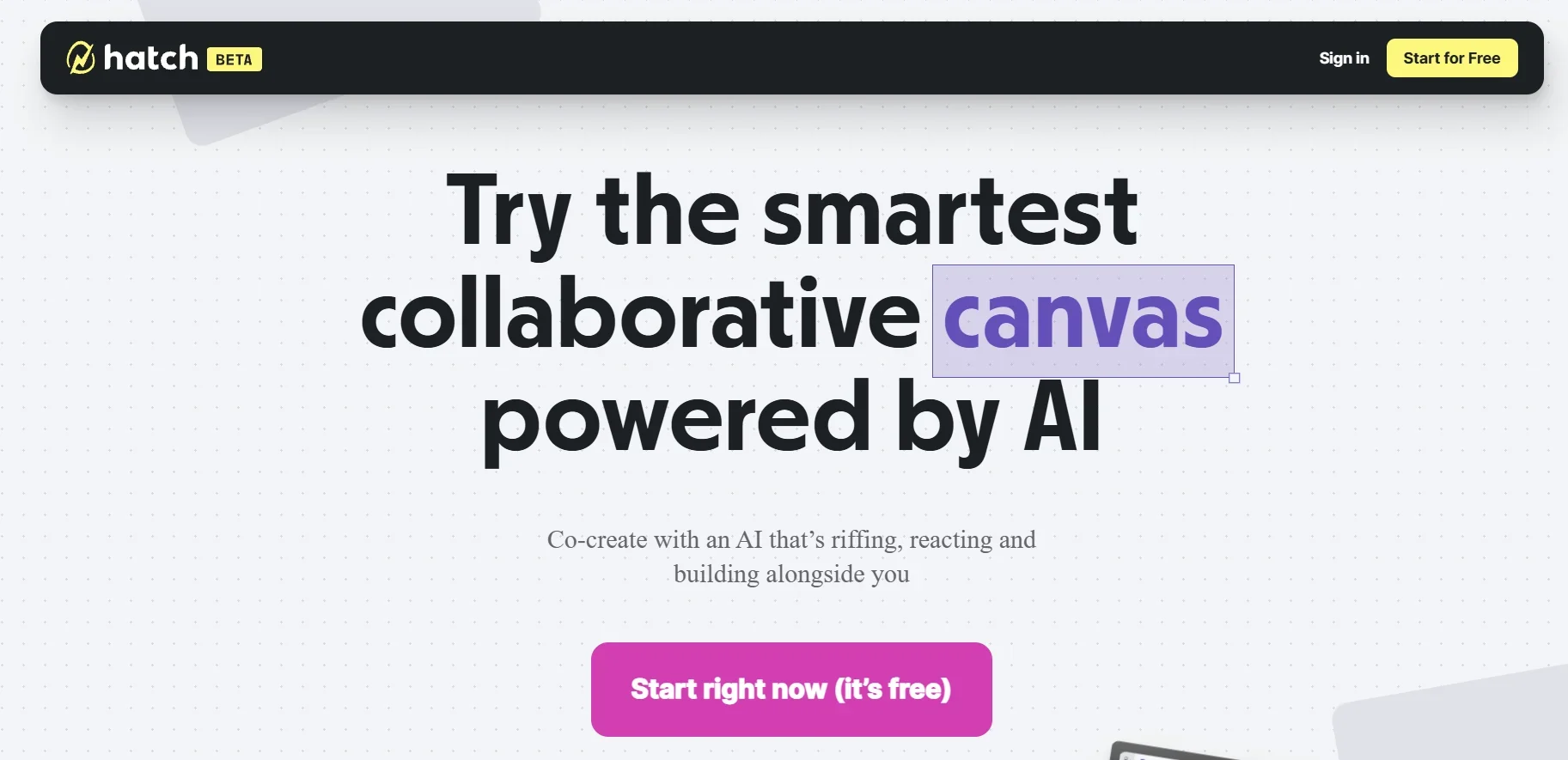
    Hatch Canvas is a creative web development platform that enables users to create interactive web content using easy-to-use drawing tools. Its main feature, HatchDraw, enables anyone to create interactive websites, apps, games, and stories just by drawing on a canvas in the browser, without the need to write code. The platform transforms hand-drawn elements into interactive web objects with physical properties, animations, and clickable functions. Creators can instantly publish their work as live web pages, making it ideal for artists, designers, and non-technical users who want to bring their visual ideas to life online with a more artistic and personal touch than traditional web development techniques allow.
  2. Cody AI

    Kodi is Sourcegraph's AI-powered programming assistant that integrates directly into common development environments to optimize coding workflows. It leverages large language models, as well as code base context, to provide intelligent code completion, answer technical questions, create and edit code, debug, and explain code changes. Developers and engineering teams use Kodi to boost productivity, accelerate integration, and improve code quality while maintaining enterprise security, making it especially valuable for those who work with complex code bases and need contextually relevant help without disrupting their current workflow.

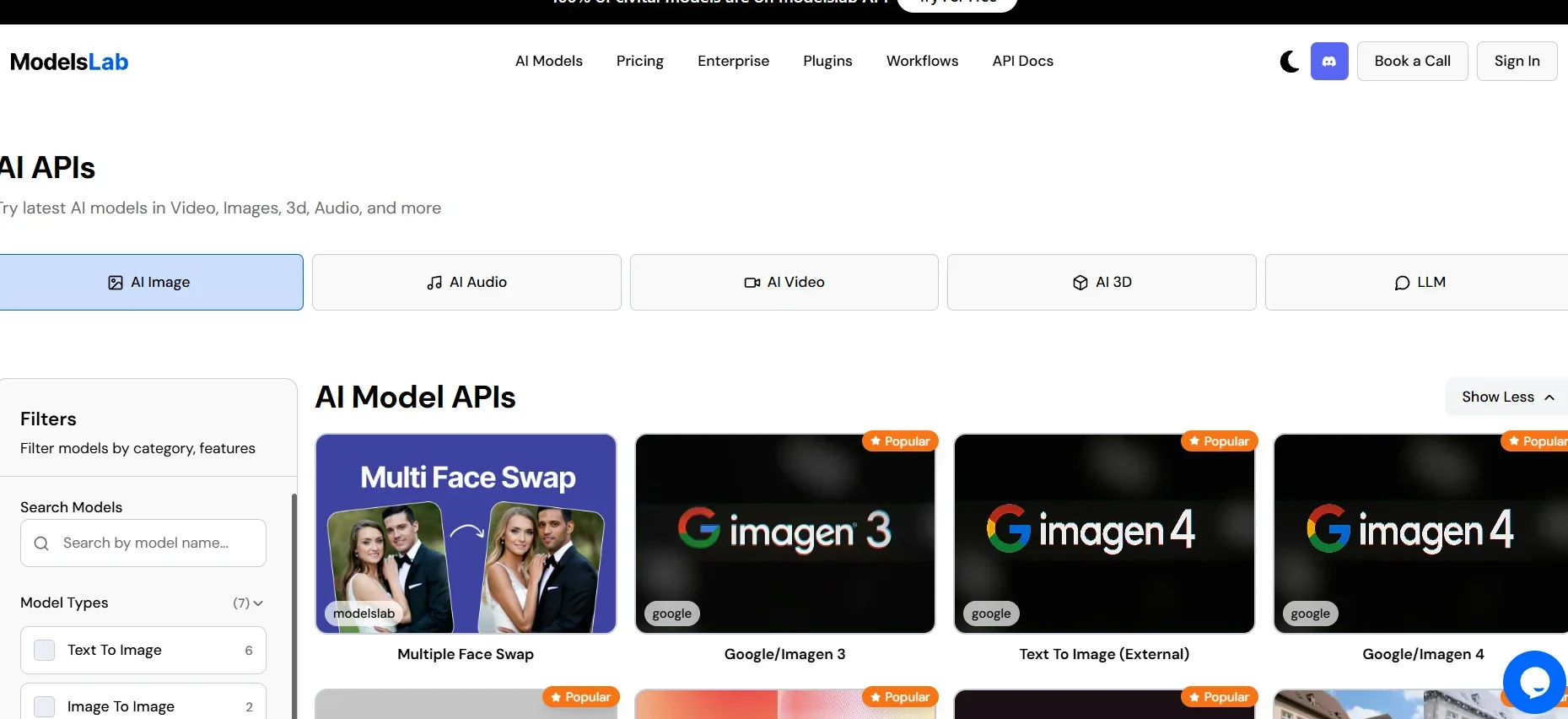
  3. ModelsLab

    ModelsLab is an end-to-end AI development platform that provides a comprehensive set of APIs for image generation, video creation, audio synthesis, audio cloning, and language modeling. This cloud service enables developers, enterprises, and content creators to easily integrate advanced AI capabilities into their applications without having to manage complex infrastructure or invest in expensive hardware. With its developer-friendly interface, scalable architecture, and competitive pricing, ModelsLab simplifies the process of building and deploying AI-powered features, making advanced generative AI available to projects of any size.

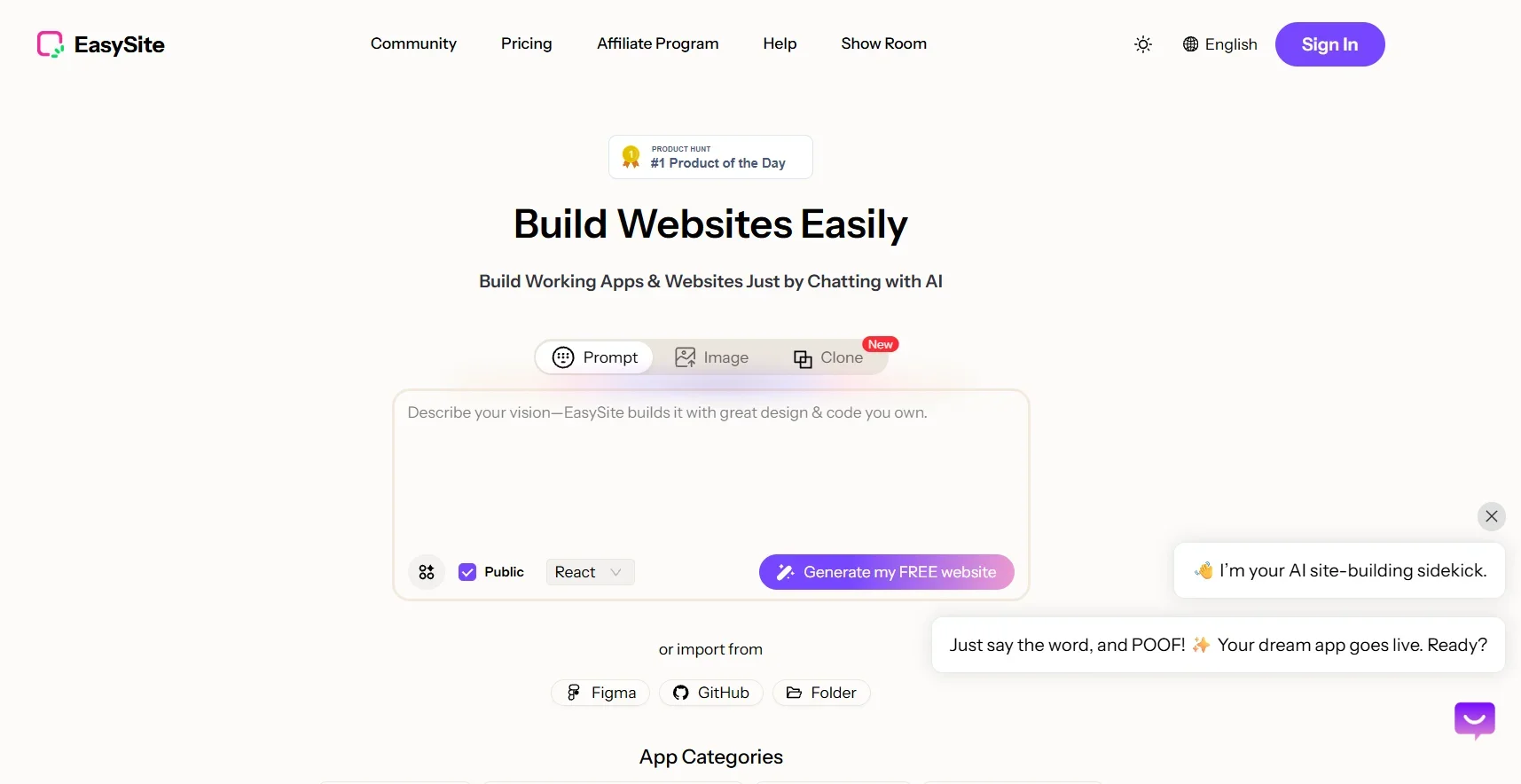
  4. EasySite AI

    EasySite AI is an innovative website and app building platform that turns natural language descriptions into full-fledged digital products without the need for any programming knowledge. The platform takes care of everything from design and databases to hosting and monetization features, allowing users to launch professional websites or apps in minutes instead of weeks. Small business owners, entrepreneurs, and creatives choose EasySite AI when they need to quickly establish their online presence with built-in business tools, such as payment processing, booking systems, and marketing features, while avoiding the traditional costs and technical barriers of web development.

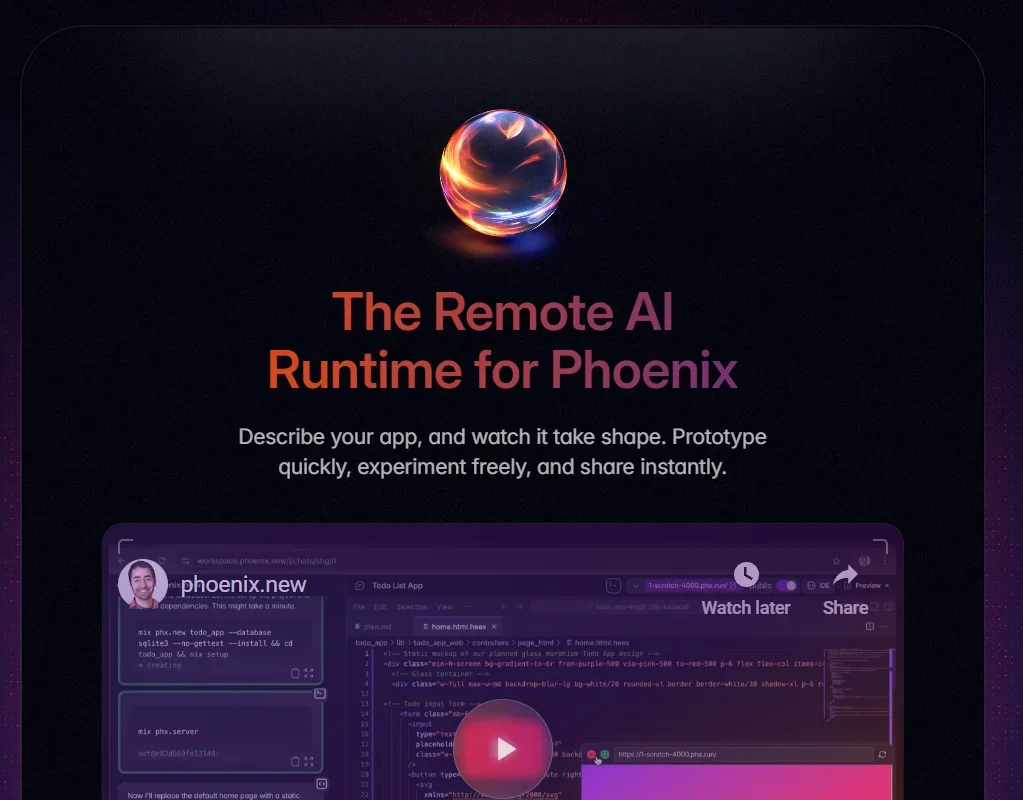
  5. Phoenix.new

    Phoenix.new is Fly.io's code-driven web application development tool that allows developers to build and modify applications through simple text instructions instead of manual coding. The system interprets the code, automatically generates the code, and offers instant previews using the Chrome browser without a graphical interface, which interacts with the app and verifies its functionality. Developers may choose Phoenix.new to dramatically accelerate their workflow, minimize errors through live testing, and enable rapid prototyping - all while still being able to see changes applied immediately, making it especially valuable for teams seeking to quickly develop their ideas or build practical applications at a low technical cost.

  6. Rocket.new

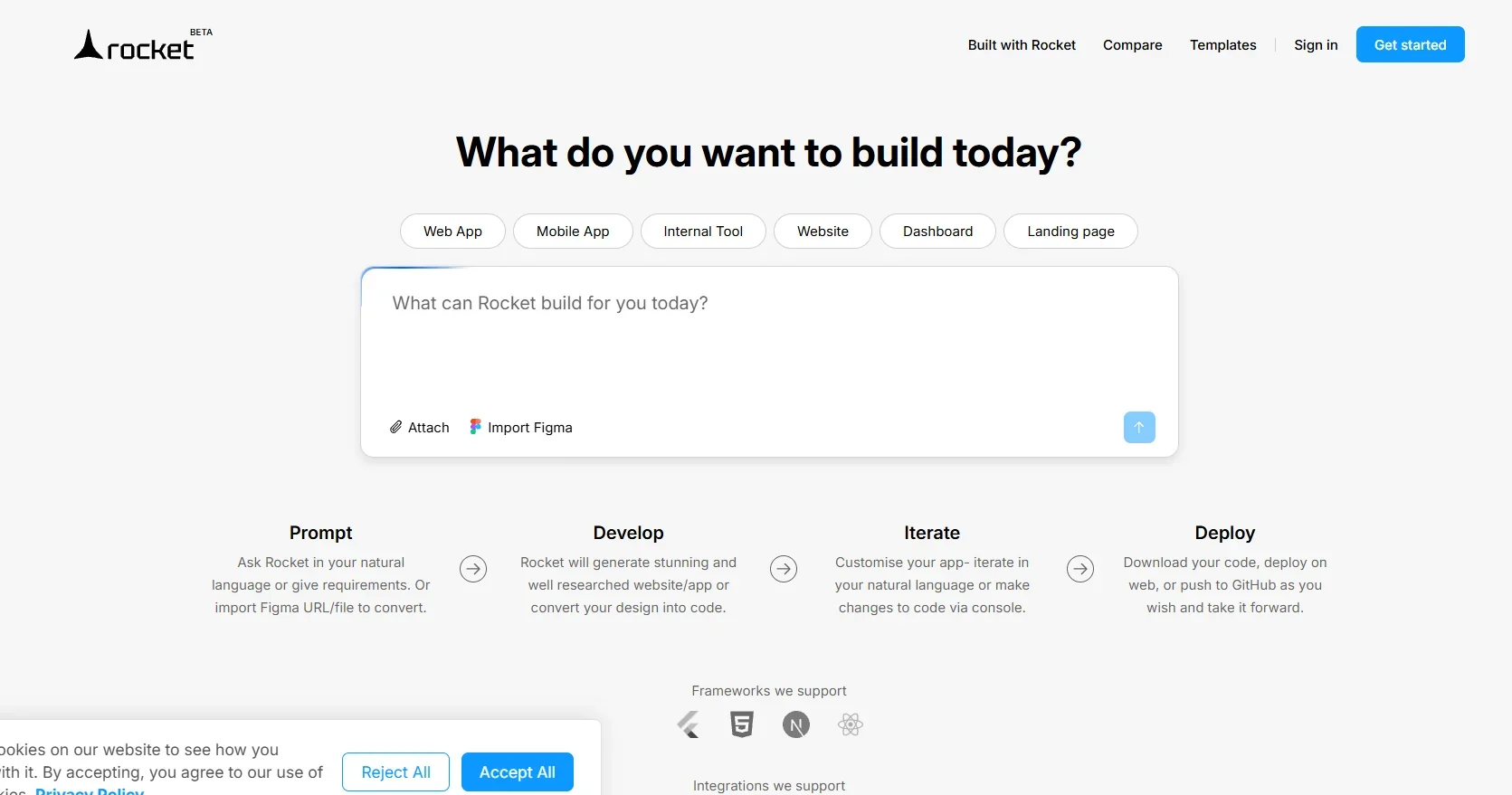
    Rocket is an AI-powered app builder that turns ideas into fully production-ready apps with no coding knowledge required. This innovative tool allows users to describe their app concept through a text prompt or import existing Figma designs, which Rocket then turns into full-fledged apps with front-end, back-end, and deployment capabilities. Leveraging advanced AI technologies, Rocket handles all aspects of application development, including design execution, business logic generation, and technical infrastructure setup, making software development accessible to non-technical founders, product managers, and entrepreneurs. The AI engine is characterized by understanding user requirements and automatically generating appropriate software architecture, database schemas, and user interfaces, dramatically reducing development time from months to days or even hours. For those looking for rapid prototyping, MVP development, or complete SaaS platforms without having to assemble a development team, Rocket's AI-driven approach offers an efficient and economical solution that simplifies software creation.

  7. Gadget

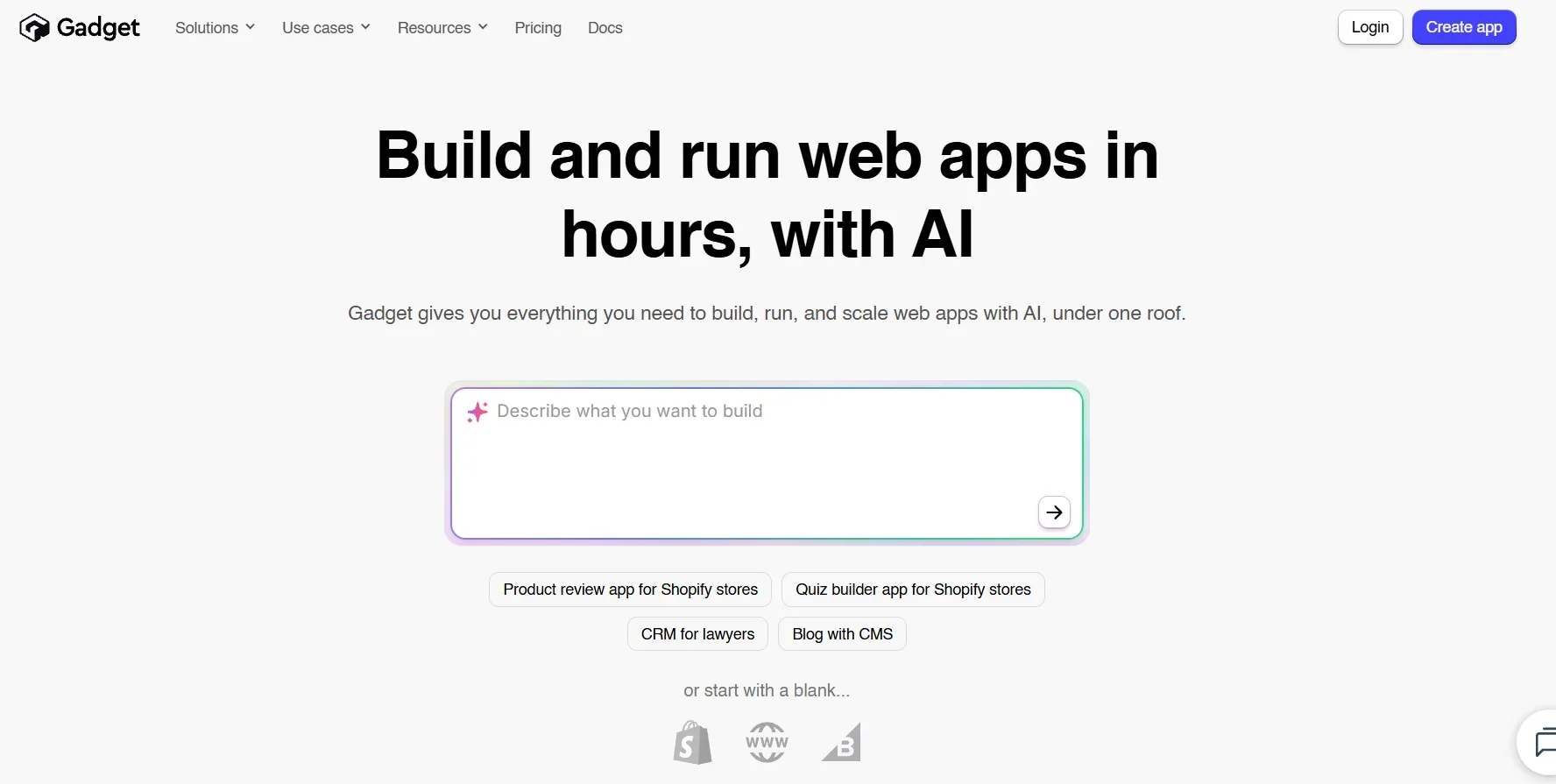
    Gadget is a comprehensive development platform that accelerates web application building by providing tools, pre-built infrastructure, and integrations. This AI-powered platform automates previously time-consuming aspects of development by creating CRUD APIs for each model, handling backend complexity, and providing deep integrations with services like Shopify. Developers can focus on writing the core business logic, while Gadget manages the infrastructure, database connections, and hosting. The platform's AI capabilities help accomplish development tasks, make smart suggestions, and automate workflows, making it extremely valuable for developers who want to reduce boilerplate coding and deploy apps faster. By combining modern development tools with AI-powered features, Gadget dramatically simplifies the app development lifecycle, from idea to deployment.

  8. Runcell.dev

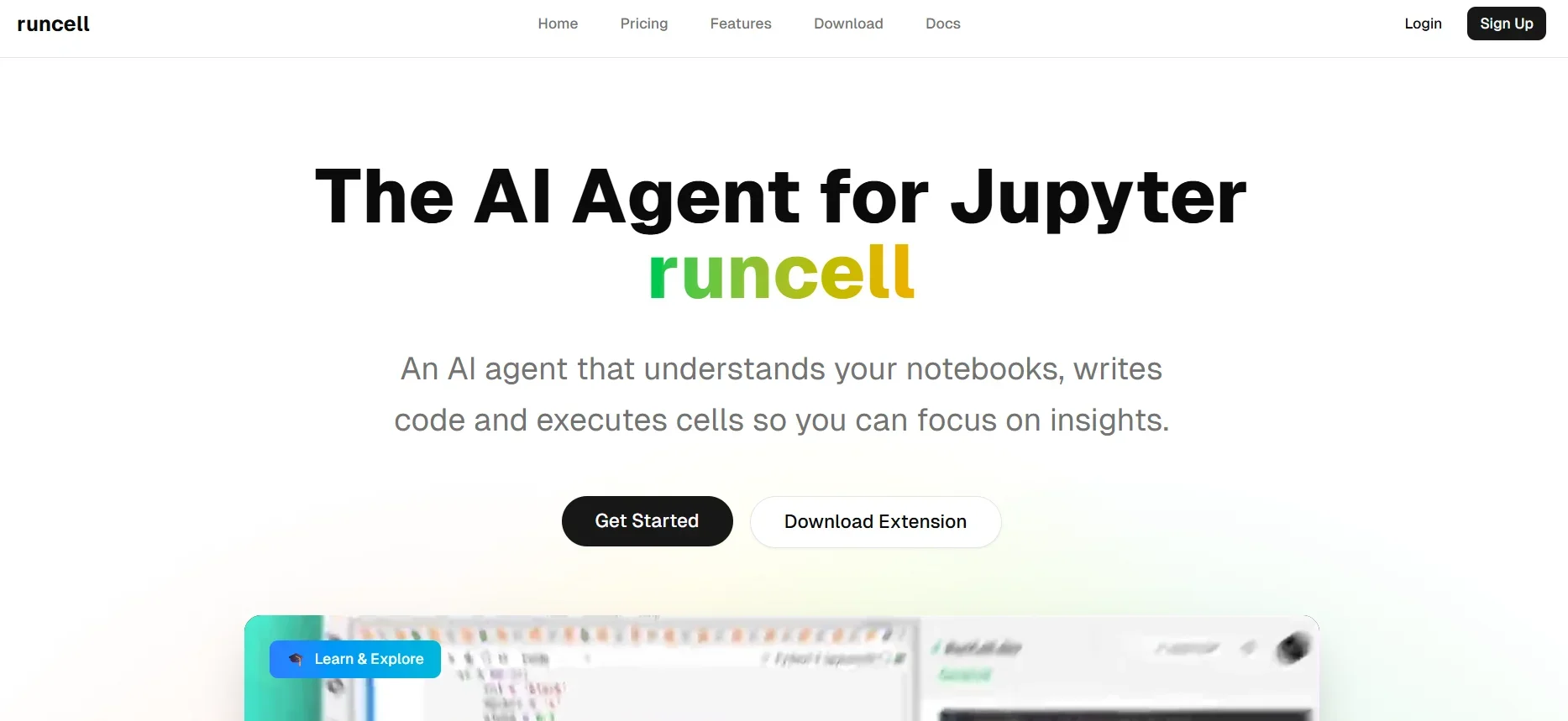
    RunCell is an AI-powered assistant that integrates directly into Jupyter notebooks, allowing users to create and execute code using natural language commands instead of manual programming. The tool optimizes the data analytics workflow by enabling data scientists, researchers, and developers to simply describe what they want to accomplish, and RunCell will then write and run the appropriate code automatically. By providing interactive AI capabilities in a notebook environment, RunCell dramatically reduces programming time, alleviates technical barriers for beginners, and helps experienced programmers prototype ideas more quickly. Users can focus on their analytic goals rather than syntax details, simplifying complex data tasks and streamlining the experimental process for anyone working with data in Jupyter environments.