AI Bosala

العربية

AI Tools

818 results

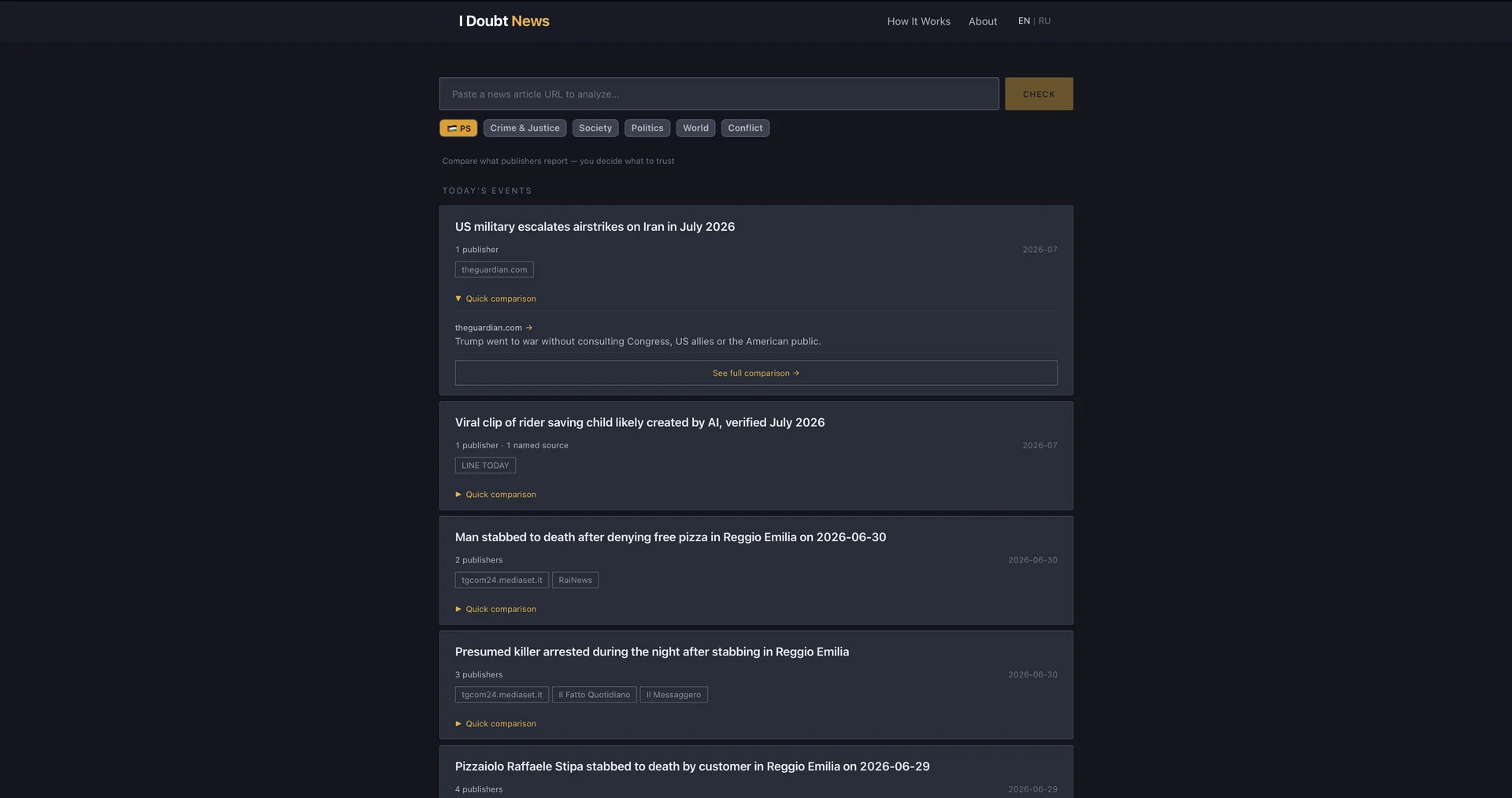
  1. AnyFlip

    AnyFlip is a platform for publishing interactive digital books, magazines, and publications using HTML5 technology. It allows you to convert PDF files into interactive flipbooks in minutes, complete with a realistic 3D page-turning effect. It can be used to create magazines, catalogs, brochures, reports, newsletters, and marketing content, with support for rich media such as audio, video, links, and SWF, as well as animations, scenes, and effects. The platform provides hosting for publications and the ability to publish them online, offline, or on USB/CD/DVD/EXE/ZIP/APP. It also supports HTML5, jQuery, and CSS3 to ensure compatibility with Windows, Mac, Linux, iPad, iPhone, Android, and Kindle. AnyFlip offers more than 120 customization options, unlimited hosting, subscription management, and advanced analytics, along with the ability to create a Bookshelf embedded within websites. It also includes features such as a custom domain, the ability to download publications as PDFs or ZIP files, password protection for publications, integration with Google Analytics, cloud hosting, a table of contents, magazine subscriptions, and social media sharing. You can also customize the logo and branding, use available templates, backgrounds, and scenes, and add videos, audio, images, pages, notes, comments, and bookmarks, with support for SEO, keyword search, printing, and auto-play mode.

  2. Since.dev

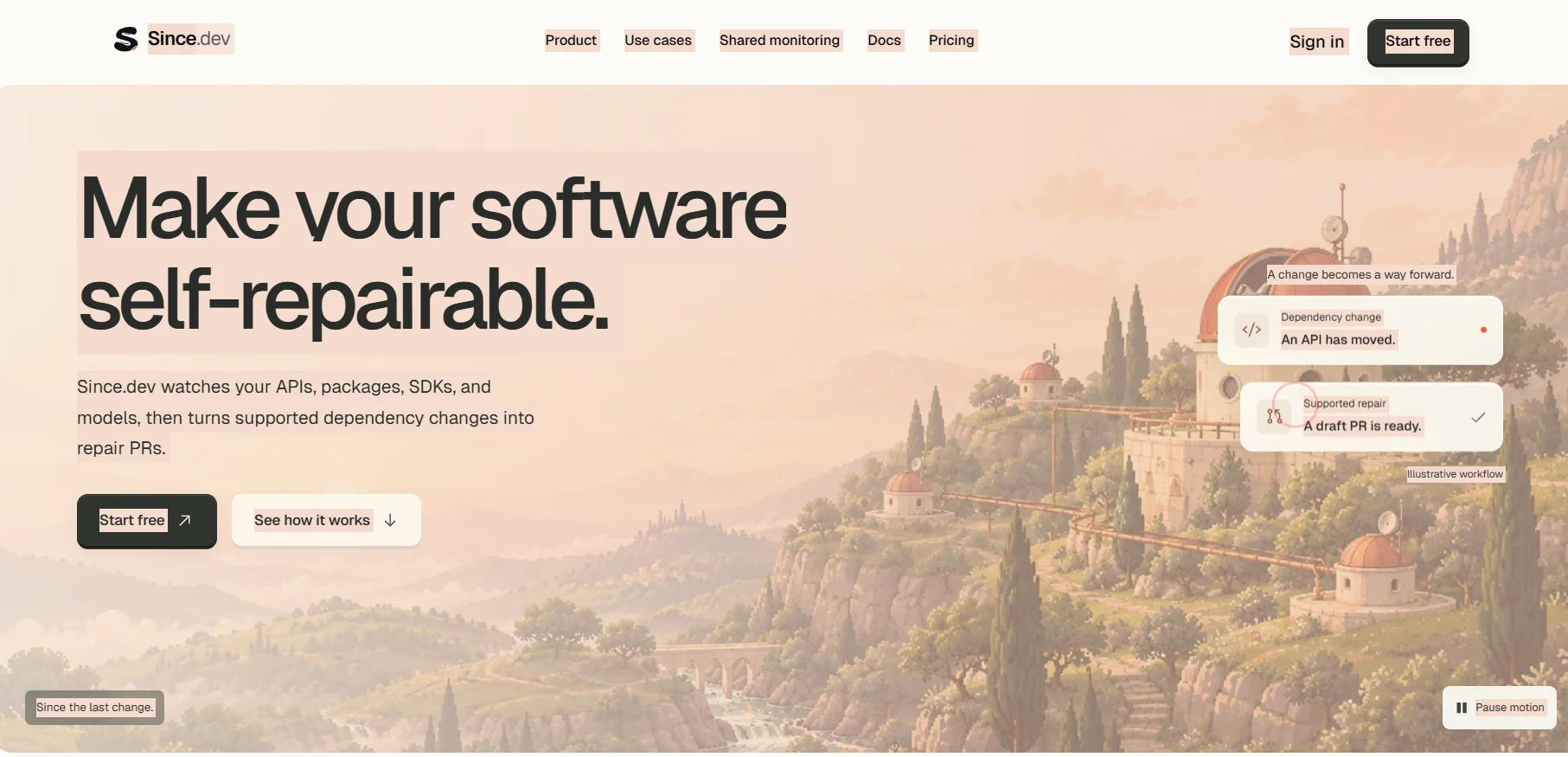
    Since.dev is a platform for monitoring software and making it self-healing; it monitors APIs, packages, SDKs, and models, then converts changes to supported dependencies into pull requests (PRs) for fixes. The platform allows you to connect a GitHub repository to see what has changed, find the affected code, and review a supported fix. The workflow includes detecting external changes, determining their impact on the code, preparing a small supported fix, and then reviewing it through the user’s CI. Sources that can be monitored include npm, GitHub, PyPI, Rust, OpenAPI, and RubyGems. It also supports monitoring API changes, SDK updates, deprecations, and provider changes. The API Contract feature links a documented API change to the calls that use it, with the ability to review a supported fix for an endpoint, parameter, or version, An example of this is changing the endpoint from /v1/messages to /v2/messages within src/integrations/messages.ts. The platform provides supported fixes and draft PRs, while testing is conducted within the user’s repository and the user chooses what to ship; nothing is automatically merged or deployed; Draft PRs use the user’s existing CI system, with the ability to request modifications and review the updated patch within the PR itself. Since.dev also offers the World State feature, which allows agents to verify their assumptions against the latest recorded observation before performing any action; the external state includes facts, versions, and service provider conditions. The Verification feature allows you to check whether recorded information remains valid without performing a new fetch, noting that an “Unknown” status does not necessarily mean the information has not changed; For example, if `example-sdk.version = 19.0.0` has changed to `20.0.0`, the agent receives evidence for review when the observation differs, and must verify the observation timestamp and source status. The platform also offers Shared Evidence, where the public source is checked once for everyone, while each Watch retains its own instructions and notifications; users can specify the changes that matter to them, such as API changes, security fixes, and new releases. Since.dev allows agents to submit the changes they need via MCP, HTTP API, or Signed Webhooks, and uses Durable Cursor to preserve the user’s position, so that a read operation does not move the cursor, while Acknowledge is executed after processing and then the work is resumed from the remaining position. It also supports issue tracking, fact-checking, coverage analysis, and change tracking through the tools used by the agent. The MCP setup includes the URL https://api.since.dev/mcp with an Authorization header, It also provides Integration Guides, which offer context for each change, including the statuses “breaking,” “deprecated,” “behavioral,” “additive,” and “advisory.” The official page explains that monitoring sources are checked on a scheduled basis rather than as a real-time feed, and that coverage includes packages, repositories, specifications, public pages, and supported status sources, while it does not include private sources, those protected by login, or those closed to automated reading.

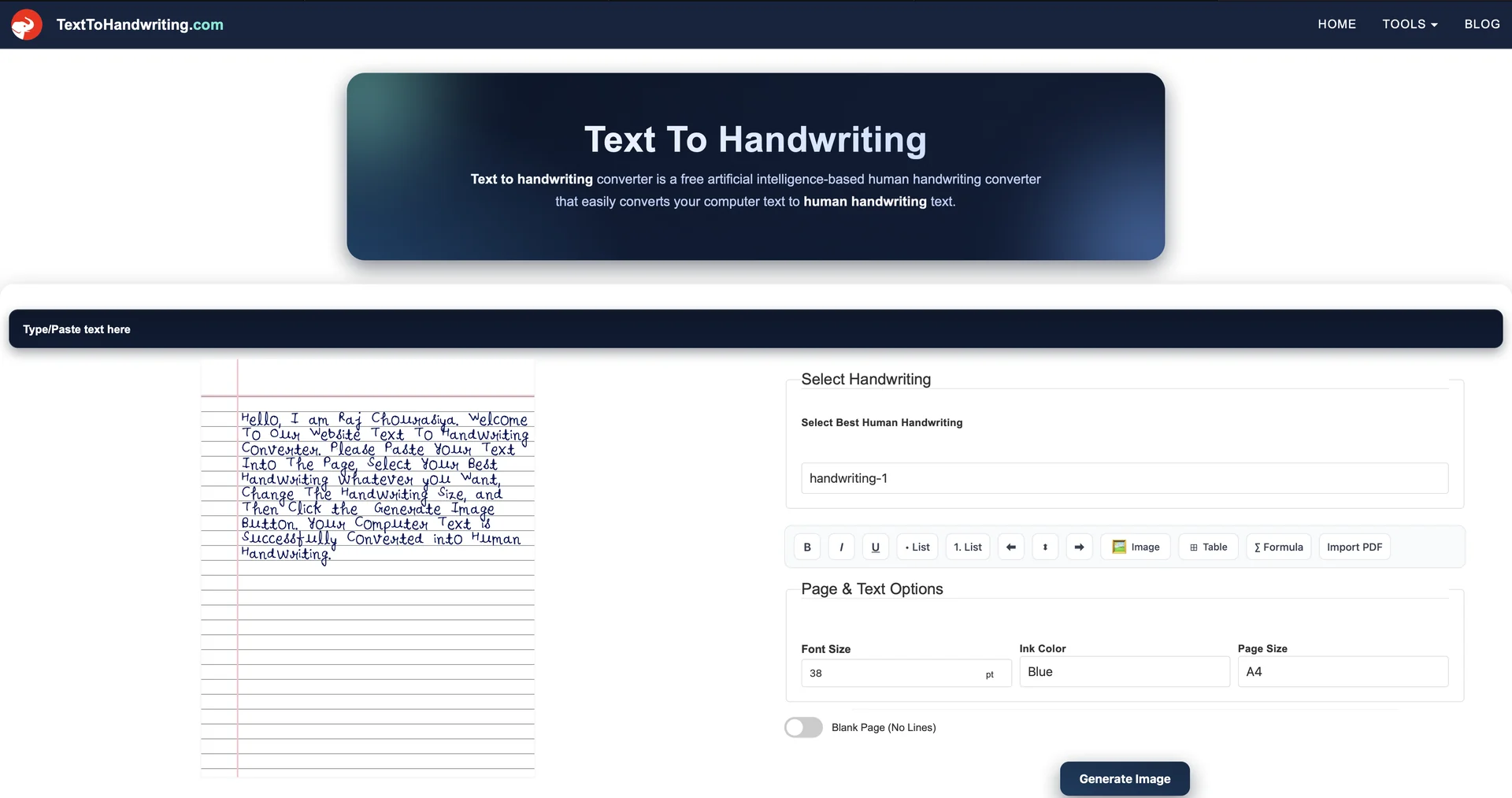
  3. AI Watercolor Generator

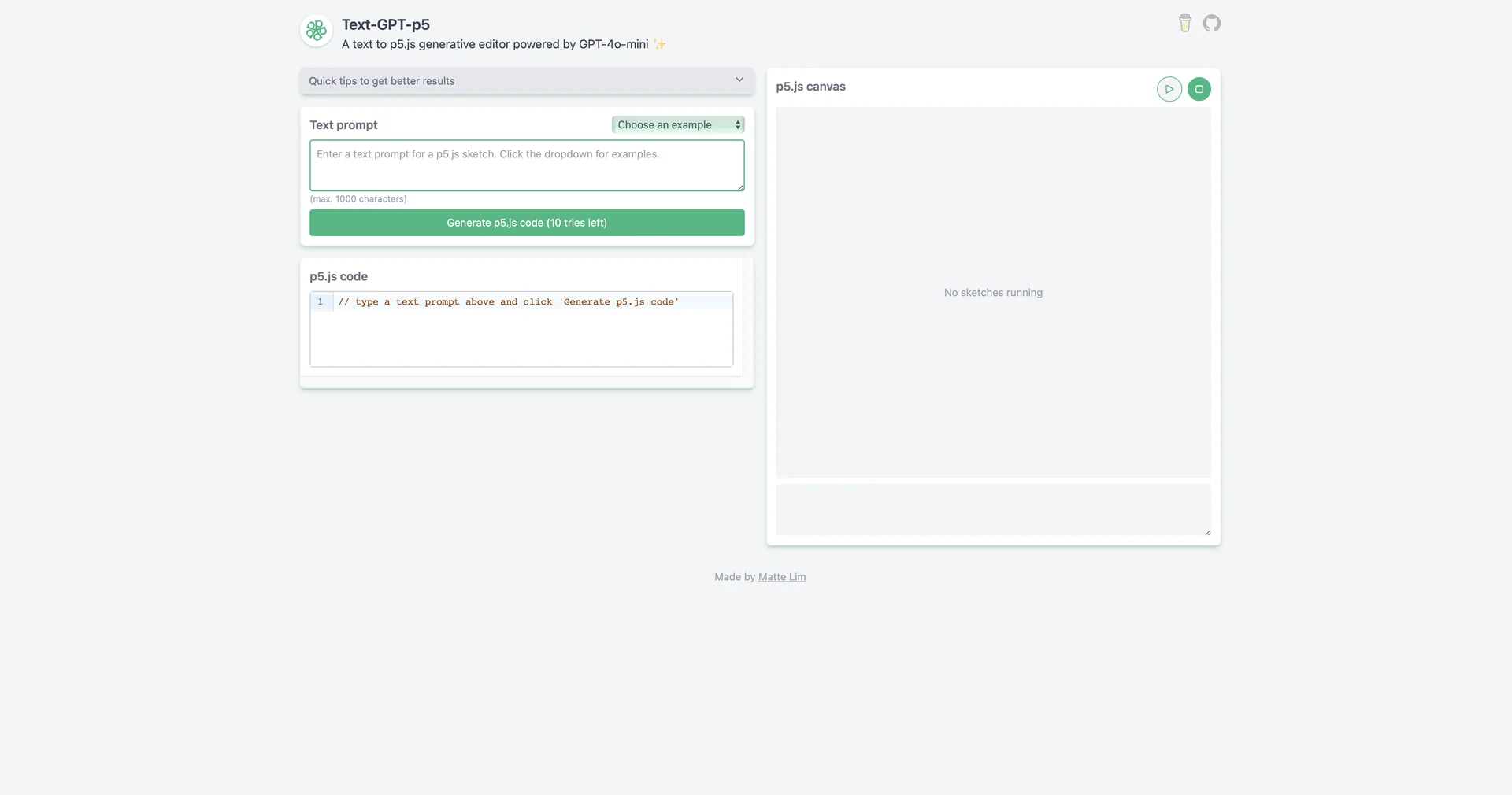
    The AI Watercolor Generator allows you to convert images or text descriptions into watercolor-style artwork using artificial intelligence. It can be used to convert photos of people, animals, houses, wedding venues, landscapes, botanical images, and drawings into watercolor paintings, with the ability to specify which details should be preserved, such as facial features, animal markings, or architectural details. The tool lets you choose the AI model, the image aspect ratio, and the output resolution (1K, 2K, or 4K). You can also edit the resulting image via text chat by selecting a specific area within the image and requesting adjustments without losing previous versions. It also provides a library for saving and reusing reference images, as well as the ability to create a new branch from a previous conversation or result to explore different colors, compositions, or styles. Stated use cases include photos of people and families, pet photos, house paintings, wedding venues, botanical art, and clip art collections.

  4. MiroFish

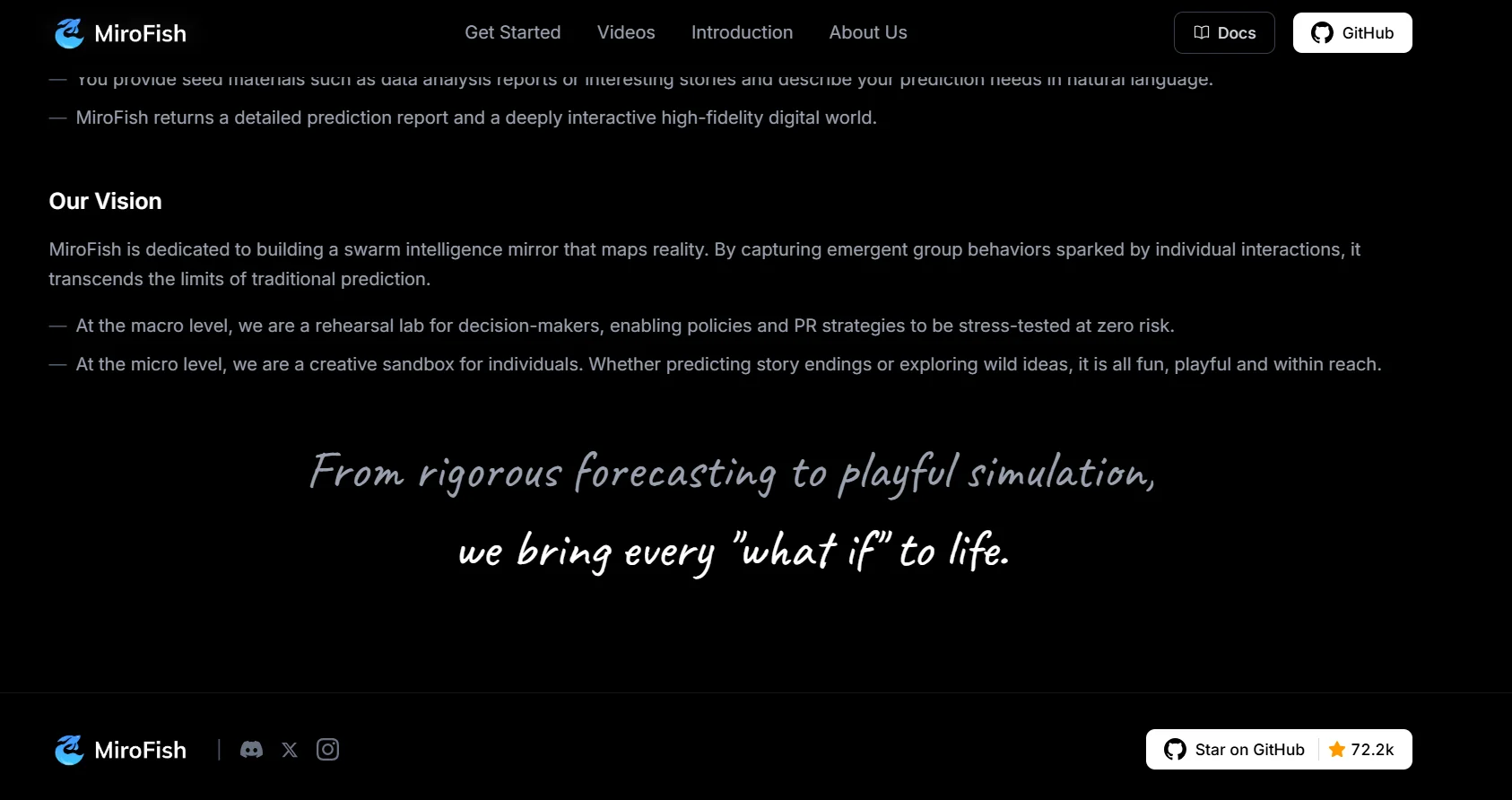
    MiroFish is an open-source collective intelligence and prediction engine based on multi-agent technology, designed to build a parallel digital world that simulates reality using a large number of intelligent agents, and then using this world to study possible scenarios and predict future trajectories.

  5. Vismo

    Vismo is an AI-powered tool for creating educational animations for math and science, designed for teachers, students, creators, and educational content providers. It allows users to describe a concept or lesson in a single sentence in simple English, then creates an animated scene using Manim, the engine used to produce math animations, It then renders the scene and checks each frame for visual issues before outputting the final video.

  6. Junie

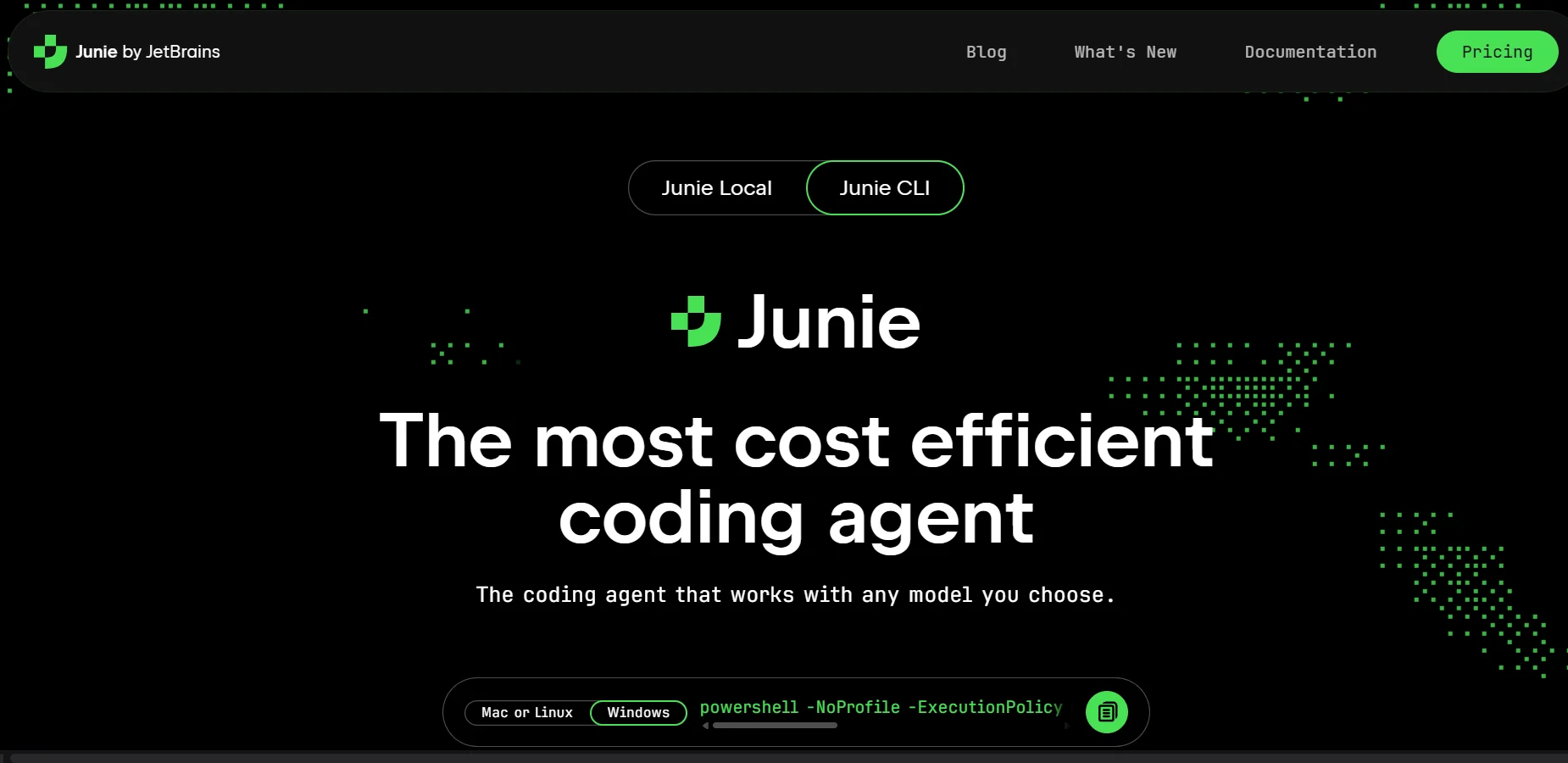
    Junie is an AI-powered software agent from JetBrains, designed to help developers read, write, and modify code, as well as perform software engineering tasks interactively. Junie runs in the terminal, is available within JetBrains IDEs and Android Studio, and can also be used with GitHub and GitLab to perform tasks related to issues and pull requests.

  7. Tracelight

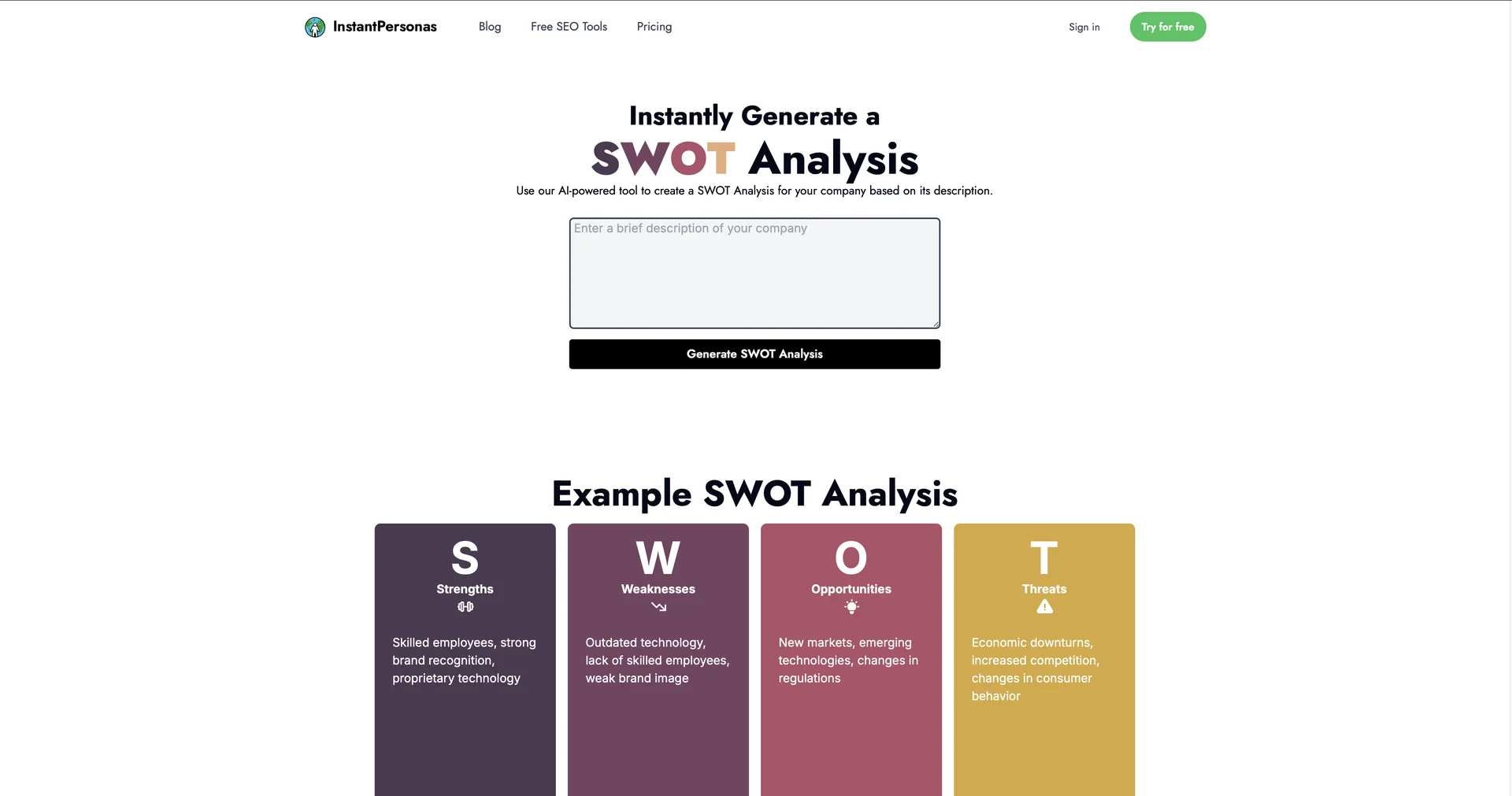
    Tracelight is a platform specialized in working with financial models, data, and office outputs, and aims to integrate various components of the work environment into a unified workflow. The platform enables users to build financial models, create and update PowerPoint presentations, work with documents, and leverage the context and information available in SharePoint and Word, along with a suite of specialized tools for review and analysis.

  8. Juna AI

    Juna AI is a platform specializing in building and operating autonomous AI agents for factories and industrial operations. It uses Agentic Factory OS to create agents that handle specific production functions, such as process optimization, parameter monitoring, energy management, root cause analysis, and improvements in production and reliability.