AI Bosala

العربية

AI Tools in Warehouses & Modeling

111 results

Open the Warehouses & Modeling category page

  1. Since.dev

    Since.dev is a platform for monitoring software and making it self-healing; it monitors APIs, packages, SDKs, and models, then converts changes to supported dependencies into pull requests (PRs) for fixes. The platform allows you to connect a GitHub repository to see what has changed, find the affected code, and review a supported fix. The workflow includes detecting external changes, determining their impact on the code, preparing a small supported fix, and then reviewing it through the user’s CI. Sources that can be monitored include npm, GitHub, PyPI, Rust, OpenAPI, and RubyGems. It also supports monitoring API changes, SDK updates, deprecations, and provider changes. The API Contract feature links a documented API change to the calls that use it, with the ability to review a supported fix for an endpoint, parameter, or version, An example of this is changing the endpoint from /v1/messages to /v2/messages within src/integrations/messages.ts. The platform provides supported fixes and draft PRs, while testing is conducted within the user’s repository and the user chooses what to ship; nothing is automatically merged or deployed; Draft PRs use the user’s existing CI system, with the ability to request modifications and review the updated patch within the PR itself. Since.dev also offers the World State feature, which allows agents to verify their assumptions against the latest recorded observation before performing any action; the external state includes facts, versions, and service provider conditions. The Verification feature allows you to check whether recorded information remains valid without performing a new fetch, noting that an “Unknown” status does not necessarily mean the information has not changed; For example, if `example-sdk.version = 19.0.0` has changed to `20.0.0`, the agent receives evidence for review when the observation differs, and must verify the observation timestamp and source status. The platform also offers Shared Evidence, where the public source is checked once for everyone, while each Watch retains its own instructions and notifications; users can specify the changes that matter to them, such as API changes, security fixes, and new releases. Since.dev allows agents to submit the changes they need via MCP, HTTP API, or Signed Webhooks, and uses Durable Cursor to preserve the user’s position, so that a read operation does not move the cursor, while Acknowledge is executed after processing and then the work is resumed from the remaining position. It also supports issue tracking, fact-checking, coverage analysis, and change tracking through the tools used by the agent. The MCP setup includes the URL https://api.since.dev/mcp with an Authorization header, It also provides Integration Guides, which offer context for each change, including the statuses “breaking,” “deprecated,” “behavioral,” “additive,” and “advisory.” The official page explains that monitoring sources are checked on a scheduled basis rather than as a real-time feed, and that coverage includes packages, repositories, specifications, public pages, and supported status sources, while it does not include private sources, those protected by login, or those closed to automated reading.
  2. Rivet

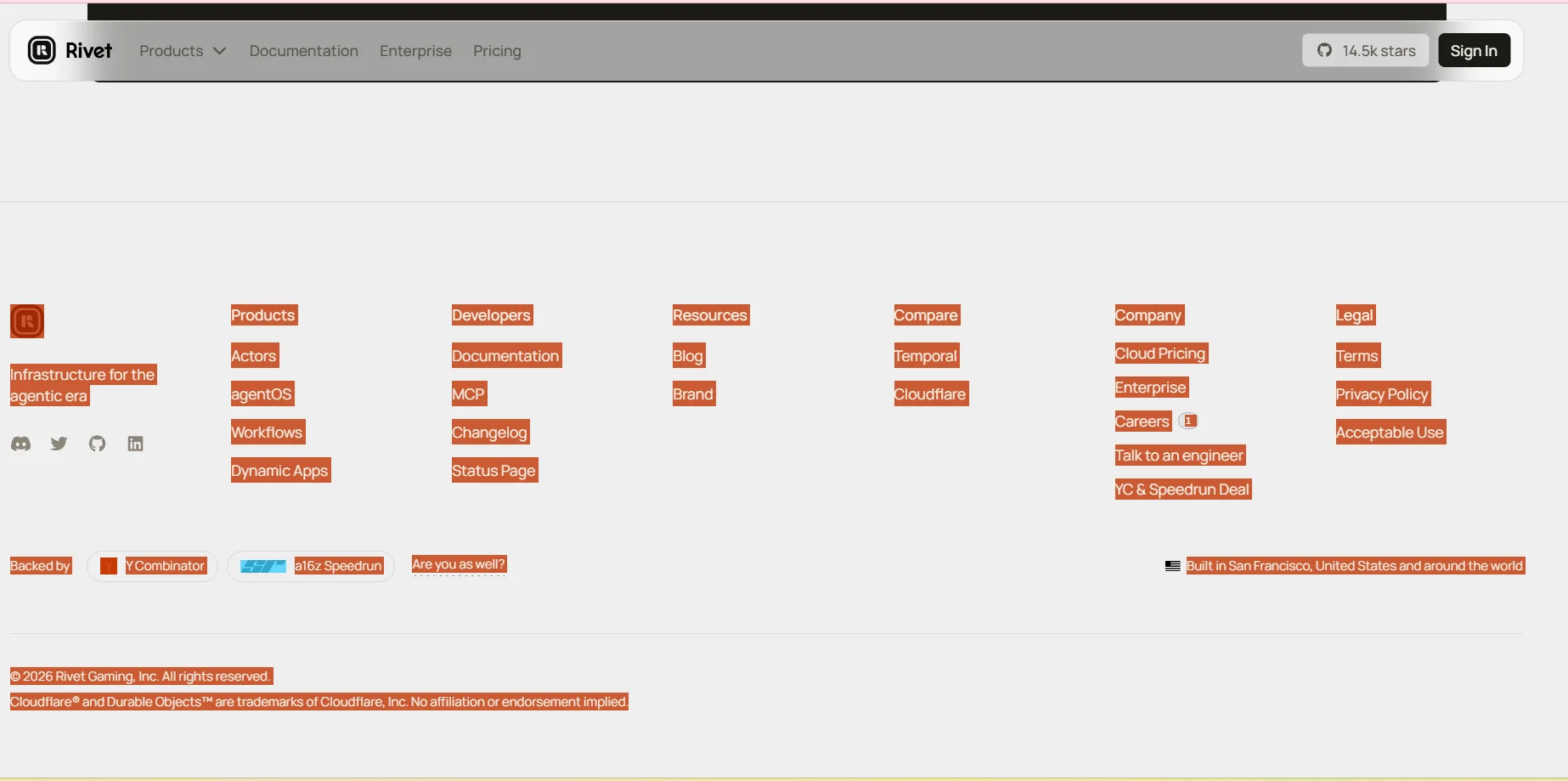
    Rivet provides a comprehensive infrastructure for the age of agents, designed to coordinate AI agents, run their environments, automate their tasks, and deploy the applications they build. The platform consists of four core layers: Actors, which provide robust and persistent operations for agents; agentOS, which provides an isolated computing environment for each agent; Workflows, which enable the creation of multi-step processes that can be resumed after failures and restarted; and Dynamic Apps, which deploy the applications created by the agents.

  3. NaN Builders

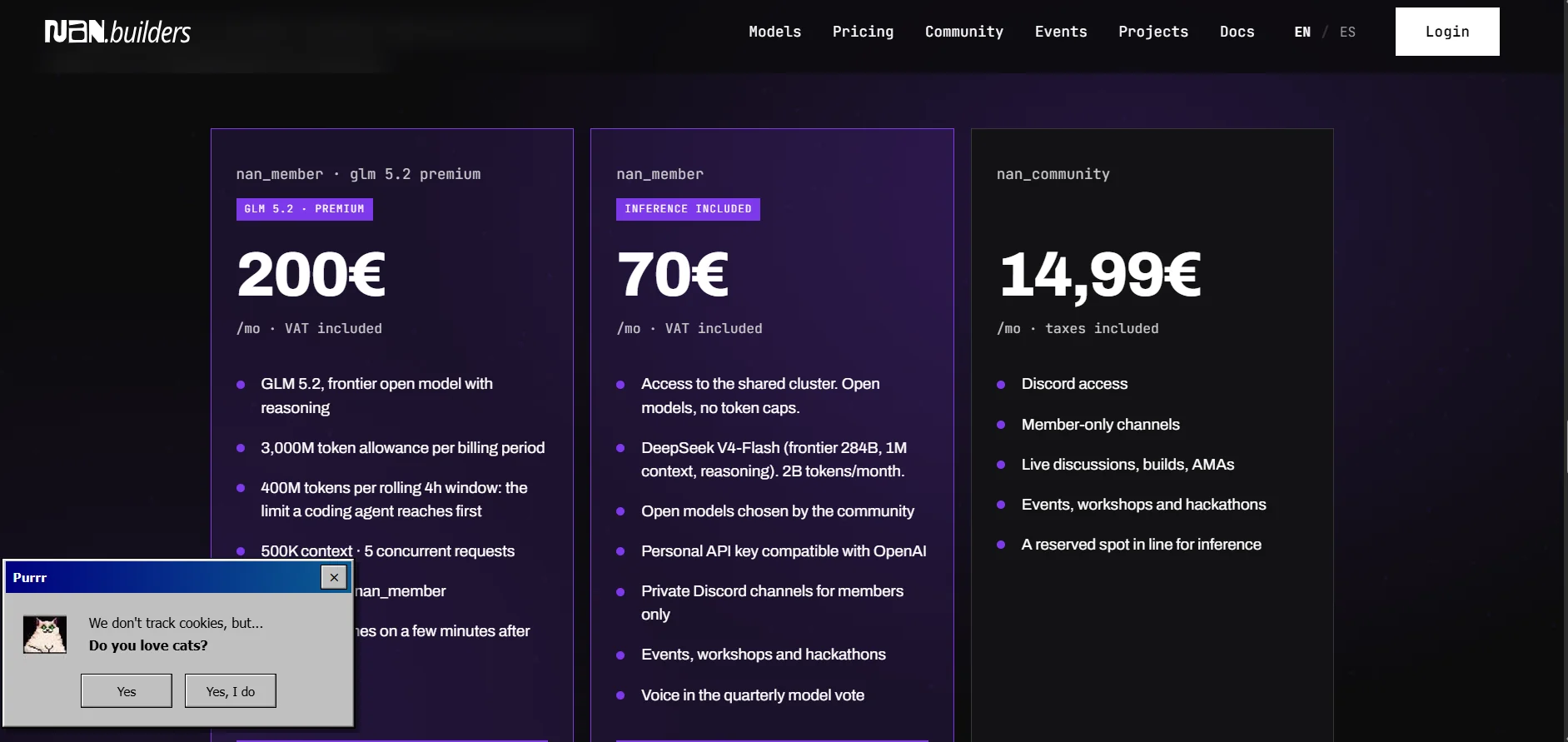
    NaN Builders is a community and platform for builders and developers that provides access to a shared infrastructure for running open-source AI models using dedicated graphics processing units. The platform aims to enable the use of open models without token limits on the core set of models, rather than relying on closed model interfaces that come with restrictions and high costs.

  4. VideoCrafte

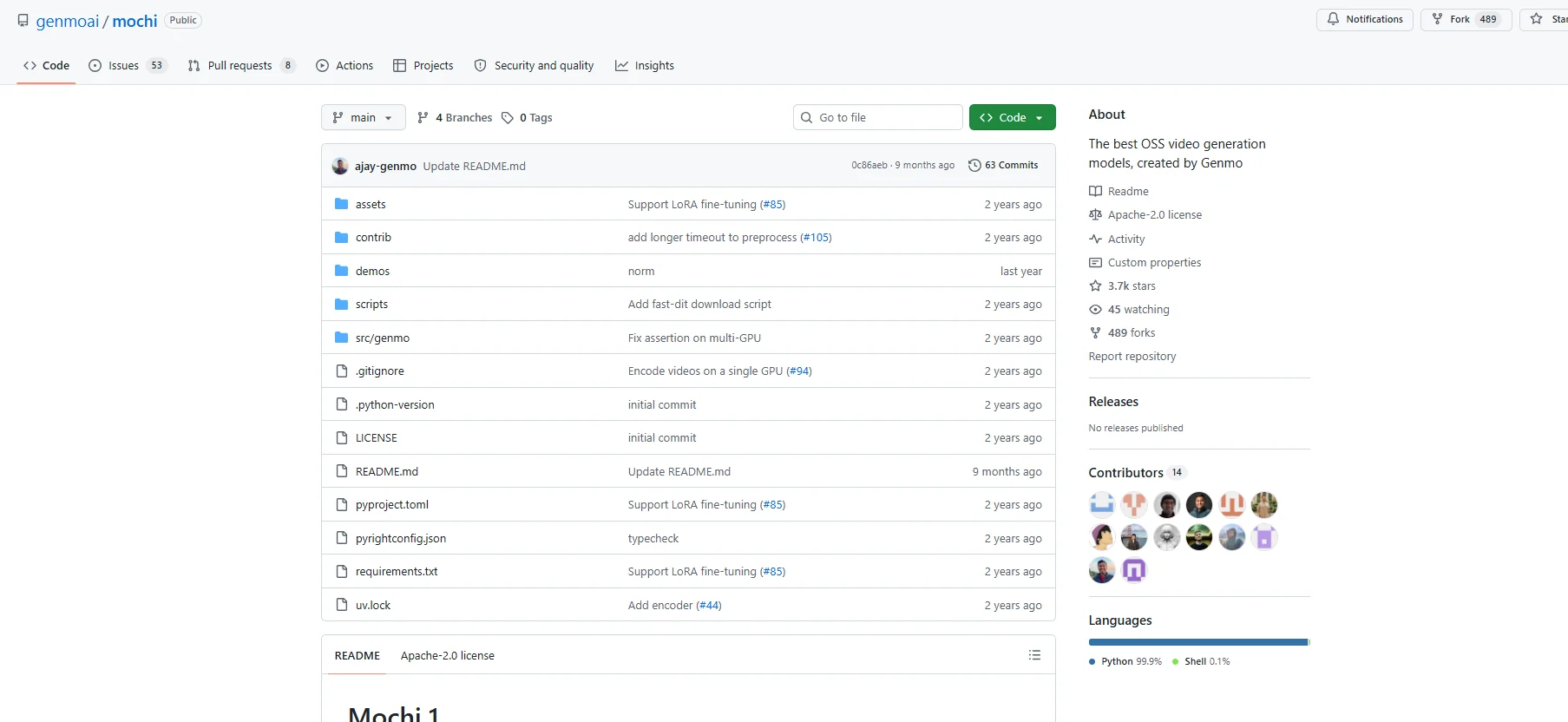
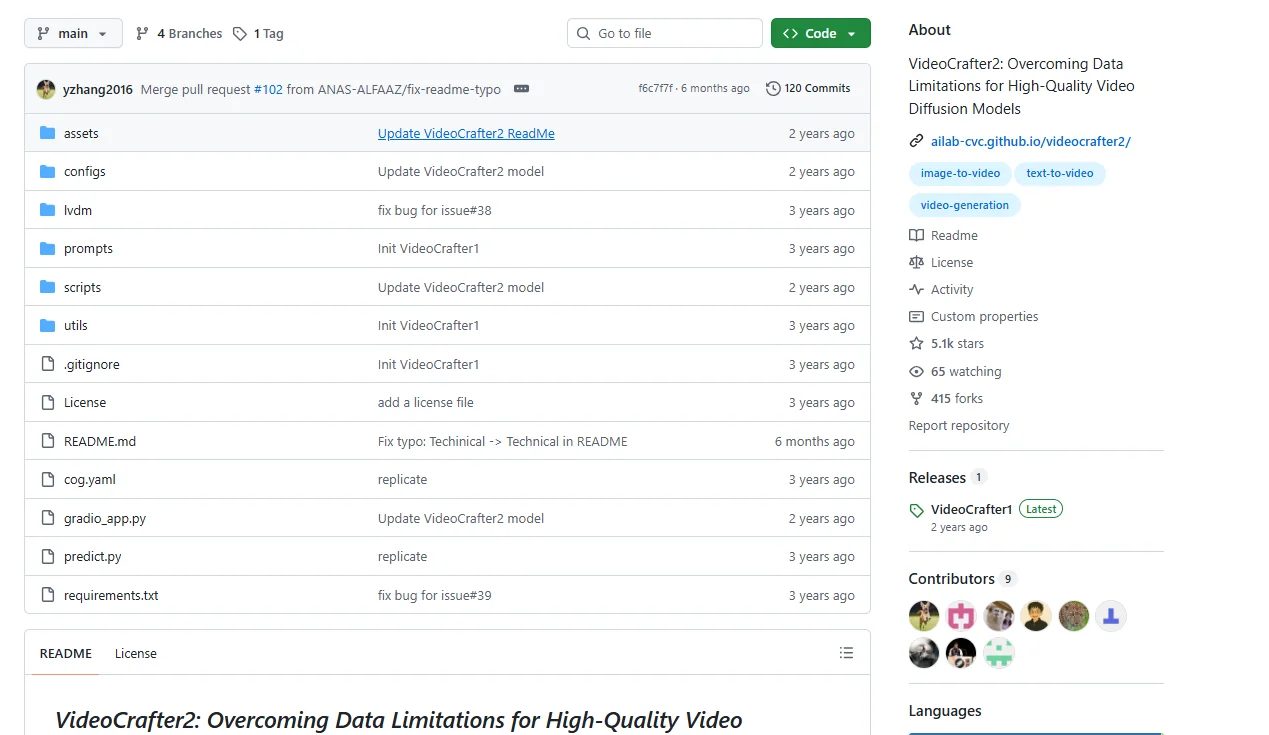
    VideoCrafter offers a set of open-source tools for creating and editing videos using artificial intelligence; it relies on video diffusion models to generate visual content from text and images. The project was developed by the AILab-CVC team and aims to provide open-source models for generating high-quality video for research and development purposes.

  5. Open-Sora

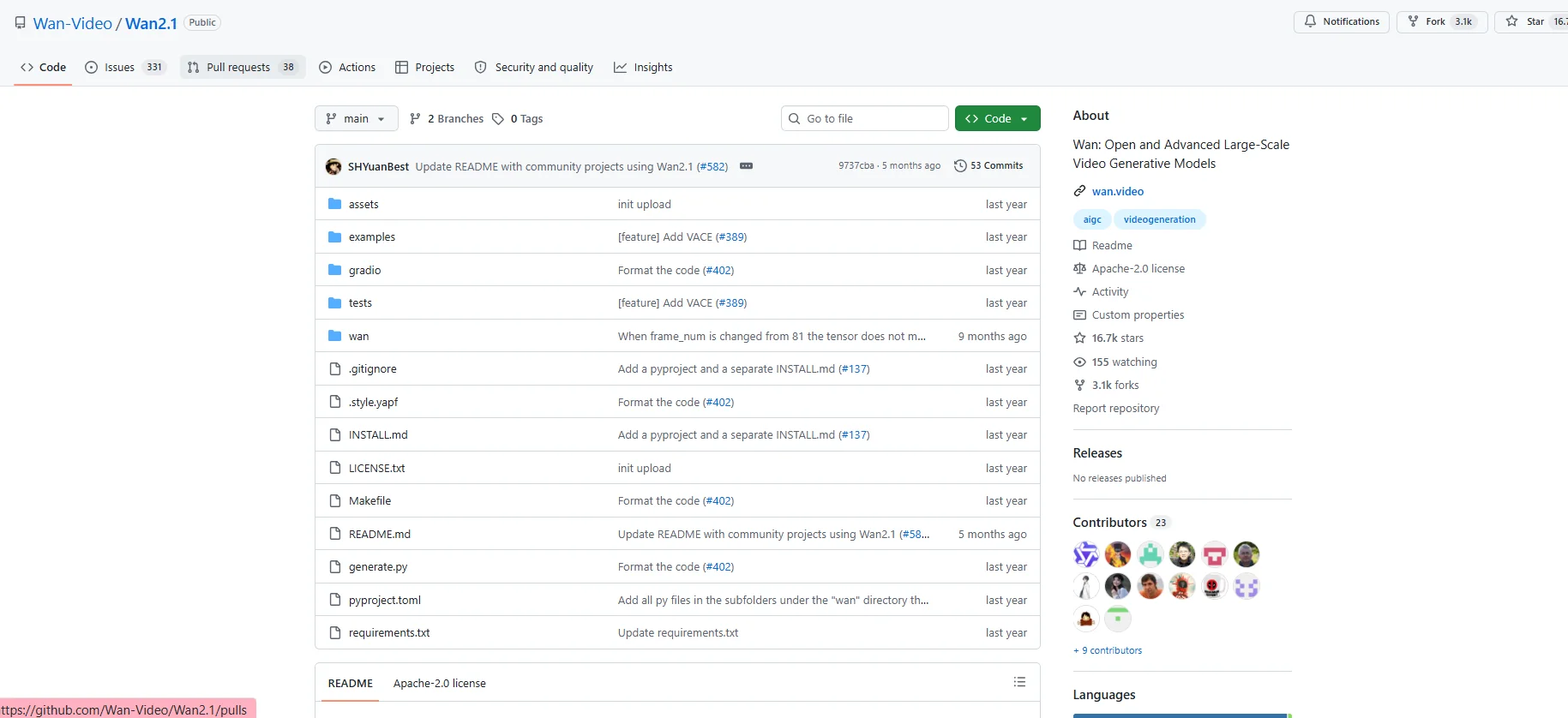
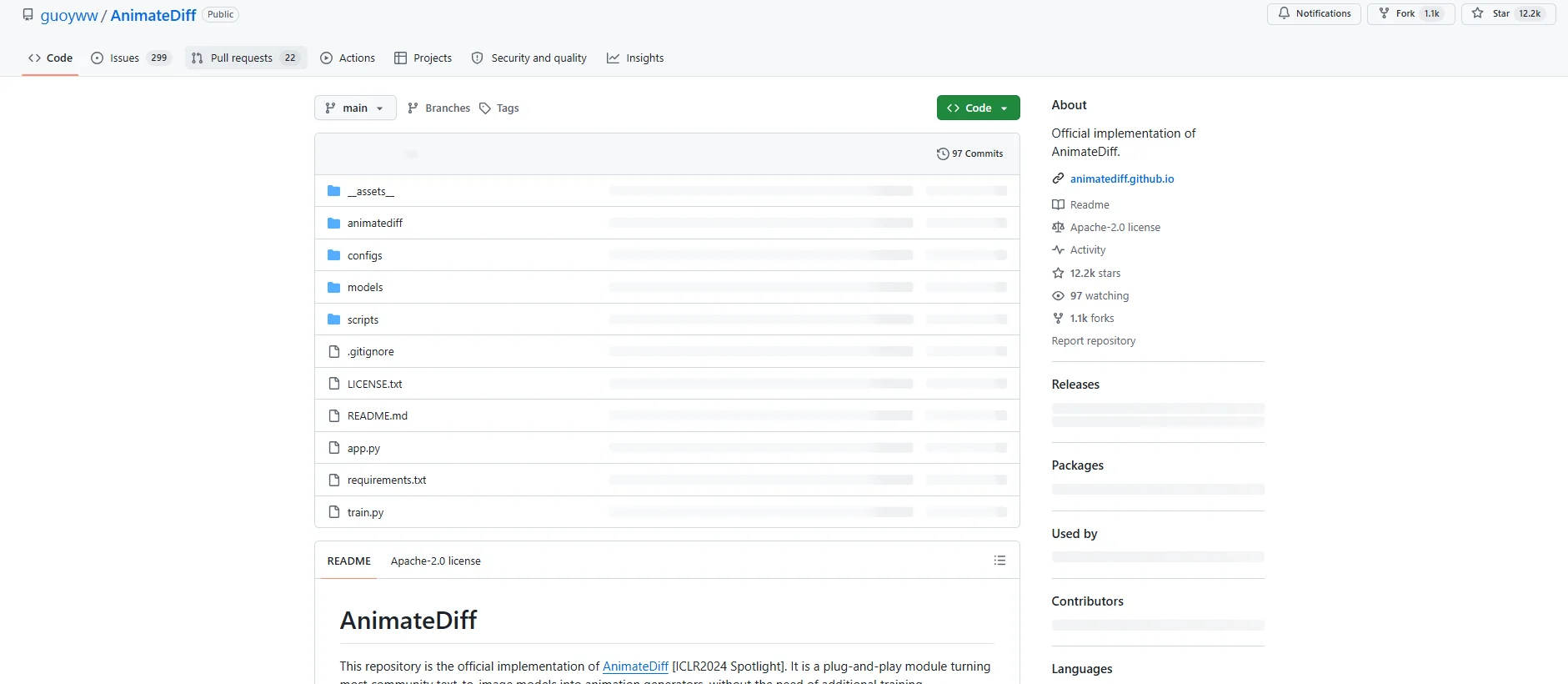
    Open-Sora is an open-source project for creating videos using artificial intelligence, aimed at making advanced video generation technologies accessible to developers, researchers, and creators. Developed by the HPC-AI Tech team, the project offers a model and a complete set of tools for creating videos using deep learning technologies.

  6. TypeflowAI

    TypeflowAI is a platform specializing in hosting and deploying modern applications and websites, particularly web projects built with JavaScript and frameworks such as Next.js. It relies on a continuous integration/continuous deployment (CI/CD) system that creates a standalone version of the project with each deployment, with global distribution via a CDN to ensure fast access.

  7. LogicFlow

    LogicFlow provides fully customized automation solutions for businesses, drawing on extensive experience dating back to 1999. The goal is not simply to offer a ready-made platform, but to build intelligent systems tailored to each individual client, ranging from daily operations management to the automation of complex tasks. The service covers diverse sectors such as Enterprise Automation, small and medium-sized businesses, medical laboratories, and access control systems, enabling the company to expand its customer base and showcase its deep expertise. The dashboards displayed on the page provide a direct visualization of potential outcomes, such as data control, monitoring, and operational performance.

  8. Layer

    Layer is an integrated AI platform that serves as an AI operating system for modern games. It unifies advanced models, proprietary workflows, and enterprise-grade infrastructure into a single, reliable system, enabling game development teams to create content, test ideas, and scale games with confidence and efficiency.