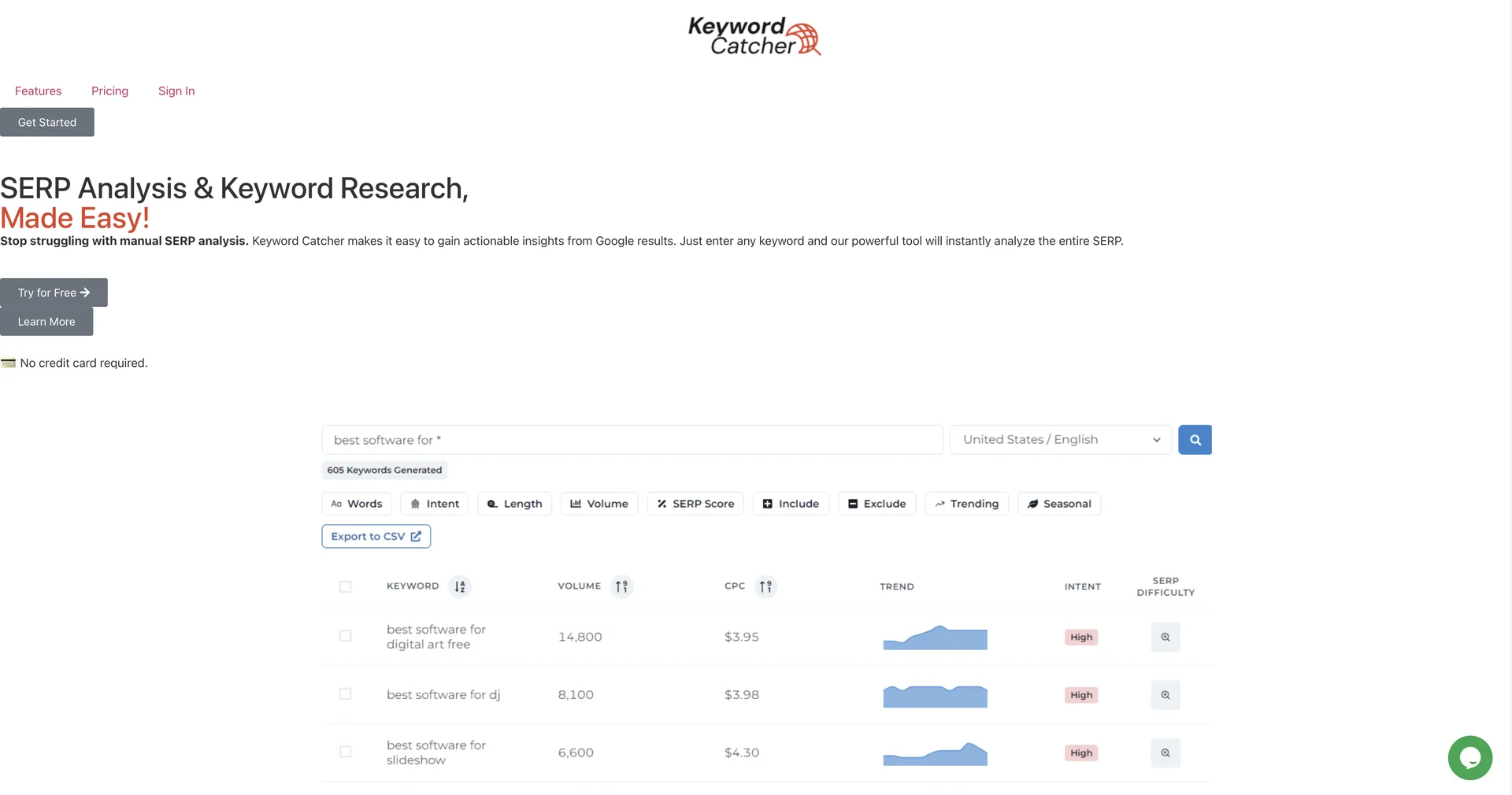
Keyword Catcher
One-click SERP analysis for actionable insights
7,286 results
One-click SERP analysis for actionable insights
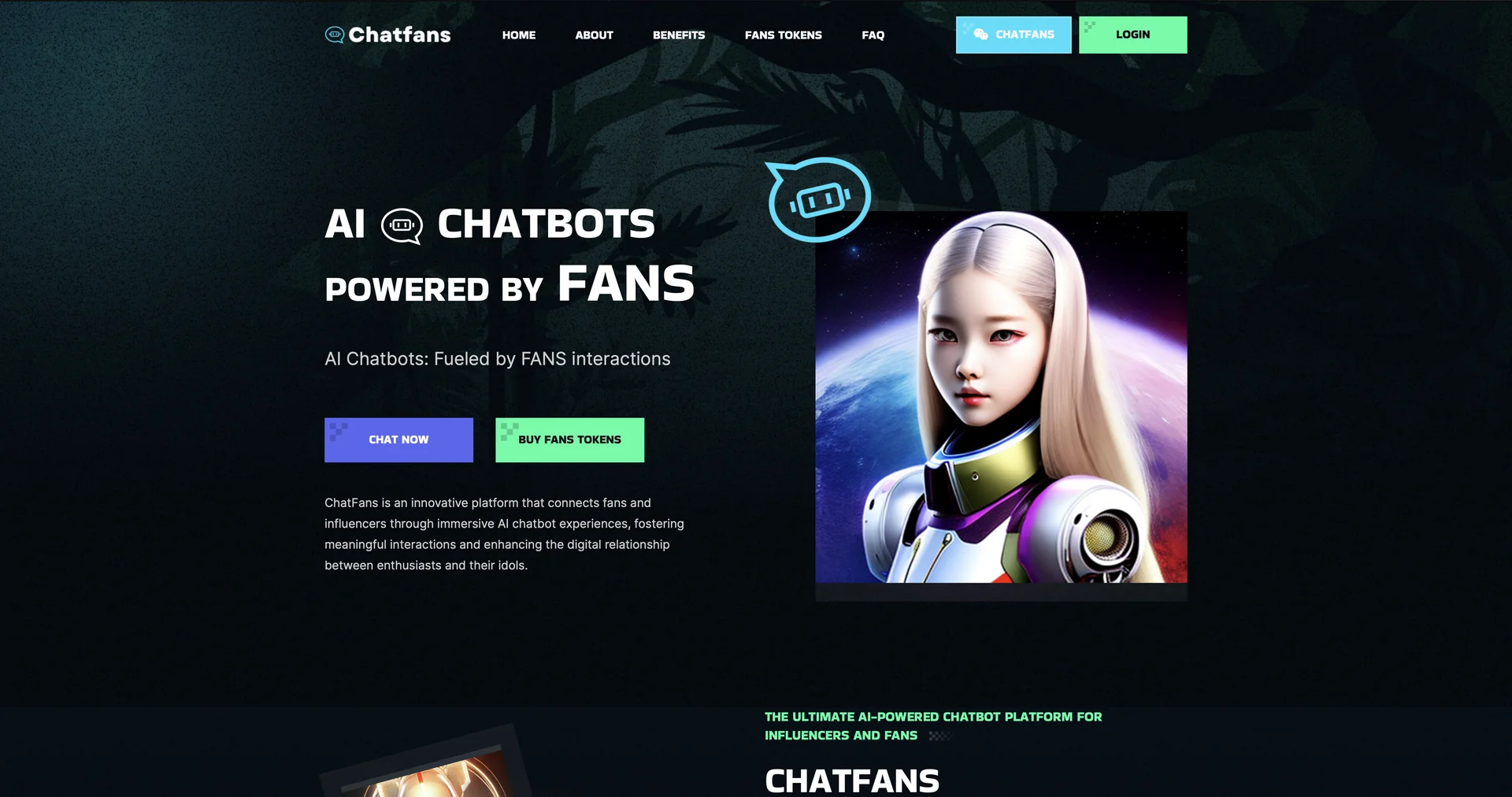
AI chatbots for personalized celebrity interactions.
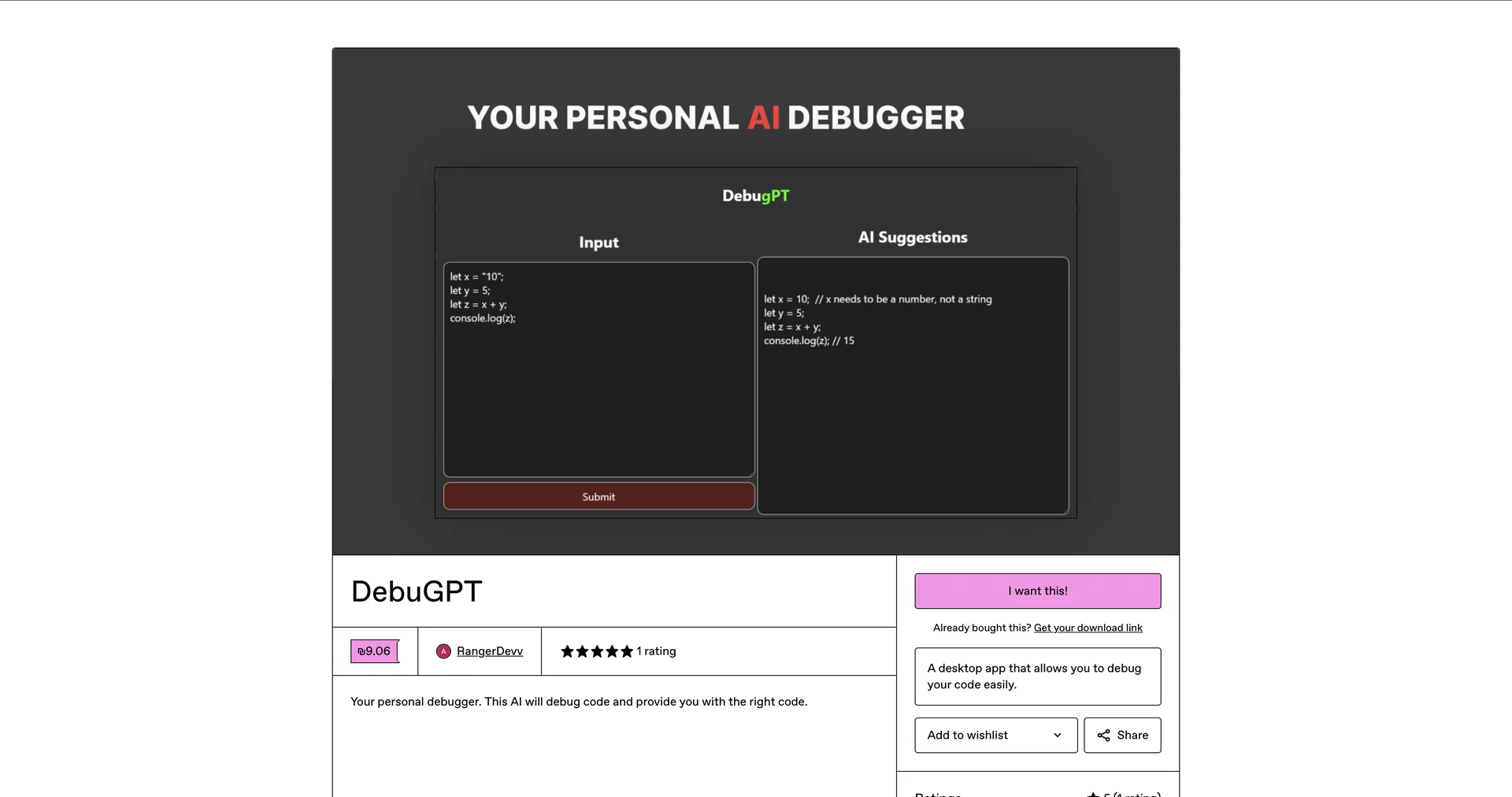
Your personal AI debugger for perfect code.
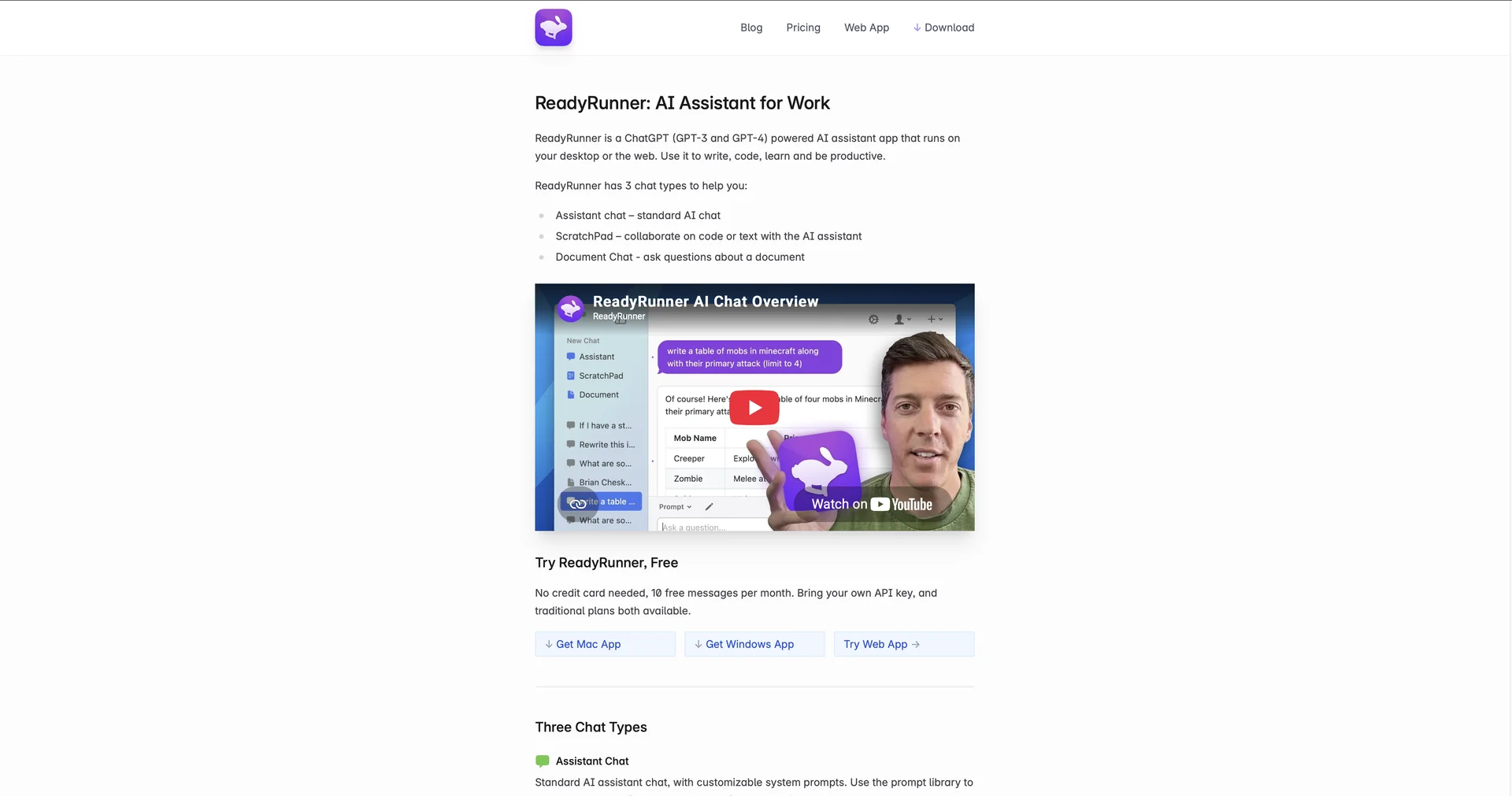
Desktop ChatGPT: Always ready to boost productivity.
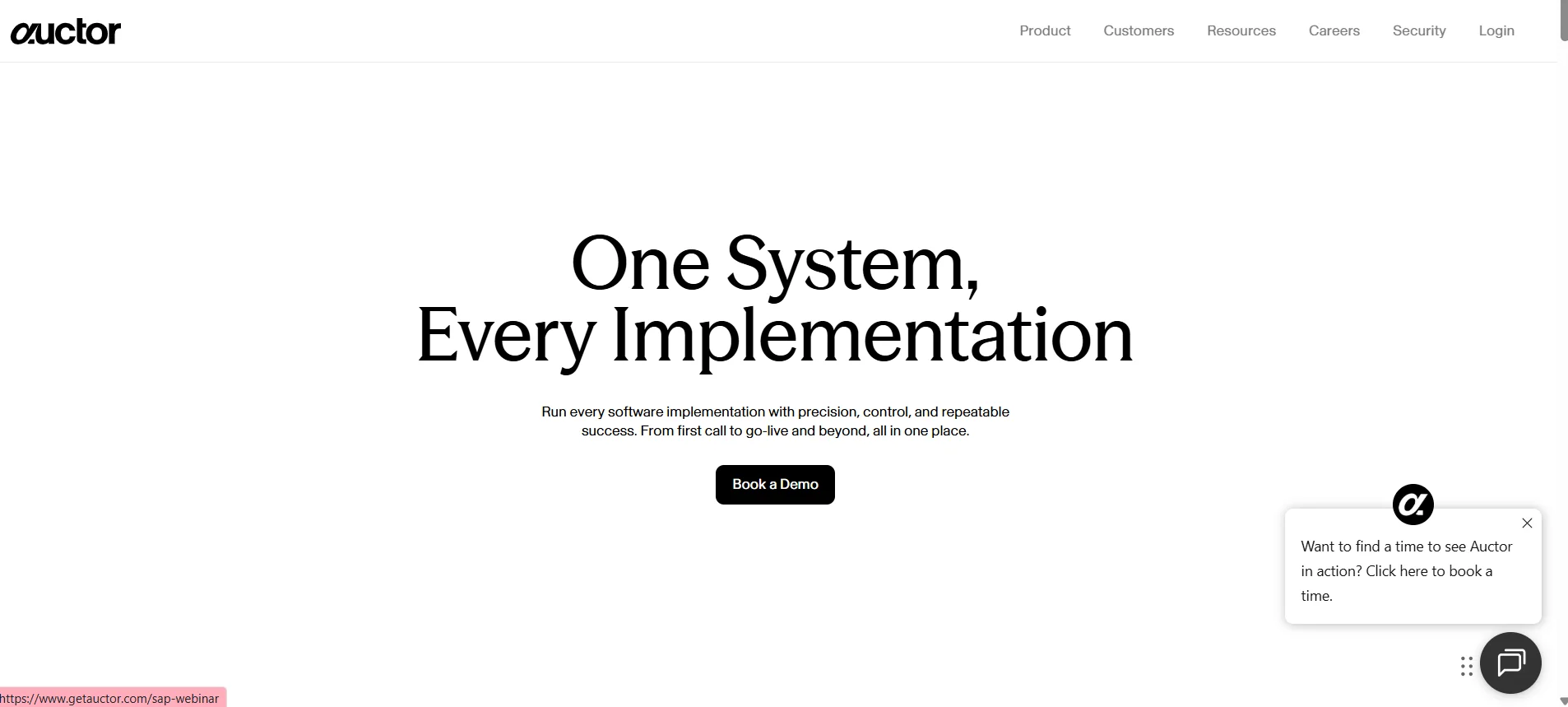
Auctor offers an AI-powered system for managing the entire software implementation lifecycle, from the pre-sales phase—including calls and meetings—through implementation, delivery, and post-launch. The tool aggregates the context of meetings, messages, documents, decisions, and diagrams, then transforms this information into organized, actionable outputs while preserving the context and decision history. It also helps create deliverables and documents, track requirements, prepare scopes of work, designs, and proposals, streamline handoffs between pre-sales and implementation teams, and identify scope changes during the project. Auctor integrates with tools such as Google Meet, Confluence, Slack, Microsoft Teams, Outlook, Google Calendar, Jira, Google Drive, OneDrive/SharePoint, Linear, HubSpot, Salesforce, Gong, Rally, Certinia, Zoom, and Azure DevOps, as well as model providers Anthropic, OpenAI, and Google, and MCP connectors.

Parasail offers an Inference Cloud tailored for AI-driven startups, with a focus on reliability, performance, and scalability. The platform states that it serves trillions of tokens daily, provides Day 0 support for cutting-edge large language models (LLMs), and is up to 30 times cheaper than legacy clouds. It includes a model library containing over 40 open and cutting-edge models, with the ability to filter models, compare their specifications, and invoke them through a single OpenAI-compatible API. Among the models featured are GLM-5.3 from Z.AI, Kimi K3 from Moonshot, DeepSeek V4 Flash, and MiniMax M3. It also provides agentic optimization to balance speed, quality, and cost, using lossless compression by default and avoiding hidden quantization, with the option to select lossy acceleration when needed. It also offers flexible drawdown billing for a single commitment across models or hardware, and elastic endpoints that scale according to actual traffic, so users pay only for the tokens they use. It also provides access to open models and user-specific fine-tunes through a single API interface, and offers options for serverless endpoints, elastic endpoints, dedicated deployments, and batch processing.
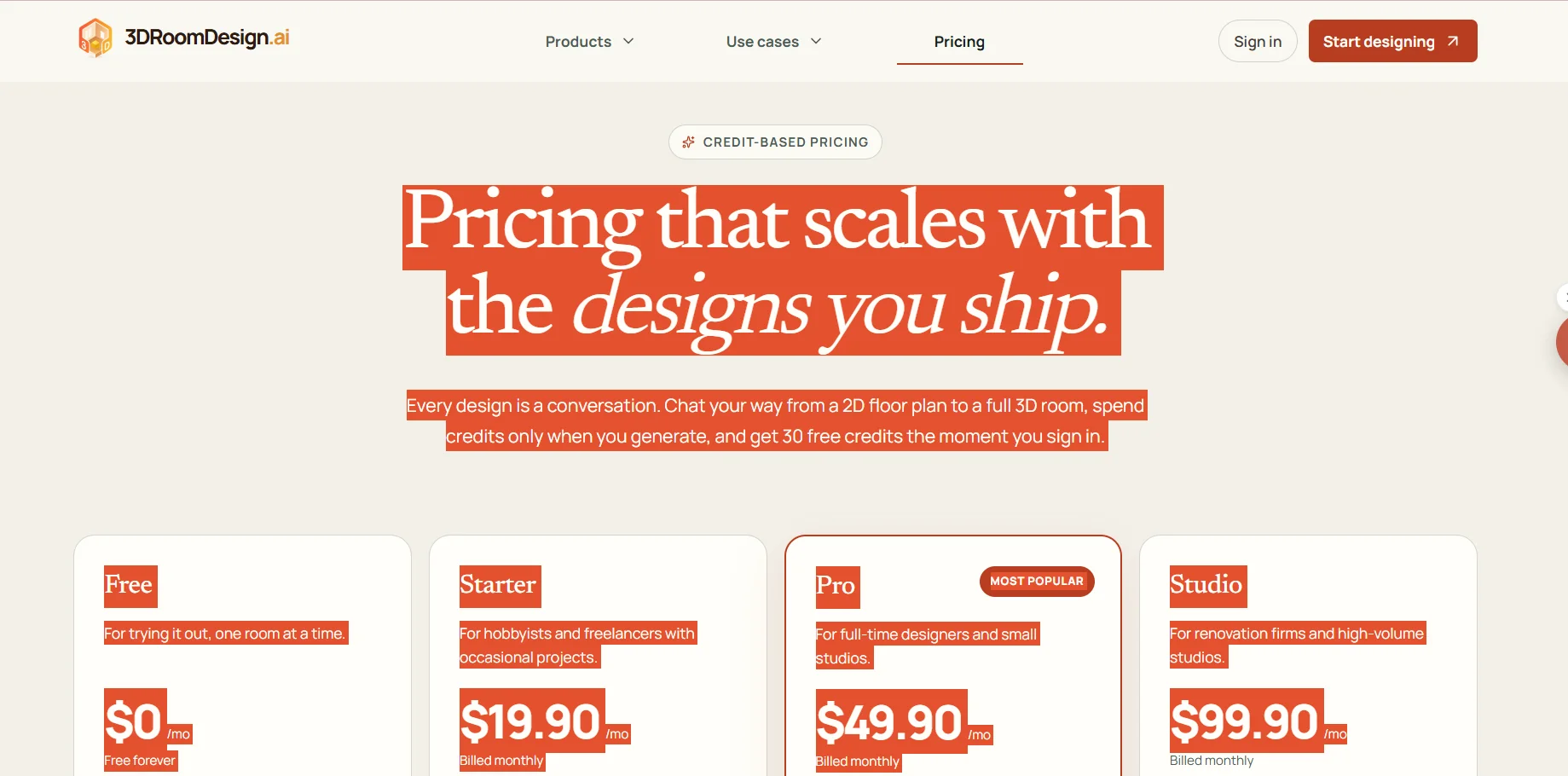
3D Room Design offers a tool for converting 2D floor plans into 3D room designs, allowing you to start with a floor plan, a reference image, or an idea, then interact with an AI design agent to explore a detailed 3D proposal, room by room and layer by layer. The tool allows for real-time adjustments to materials and lighting, It uses a credit system that is only consumed upon rendering and offers different rendering modes depending on the plan, with the ability to switch between modes during a session in the Pro plan. Paid plans also offer project storage, rendering queues, and the ability to export PDF proposals and material specifications in the Pro plan.
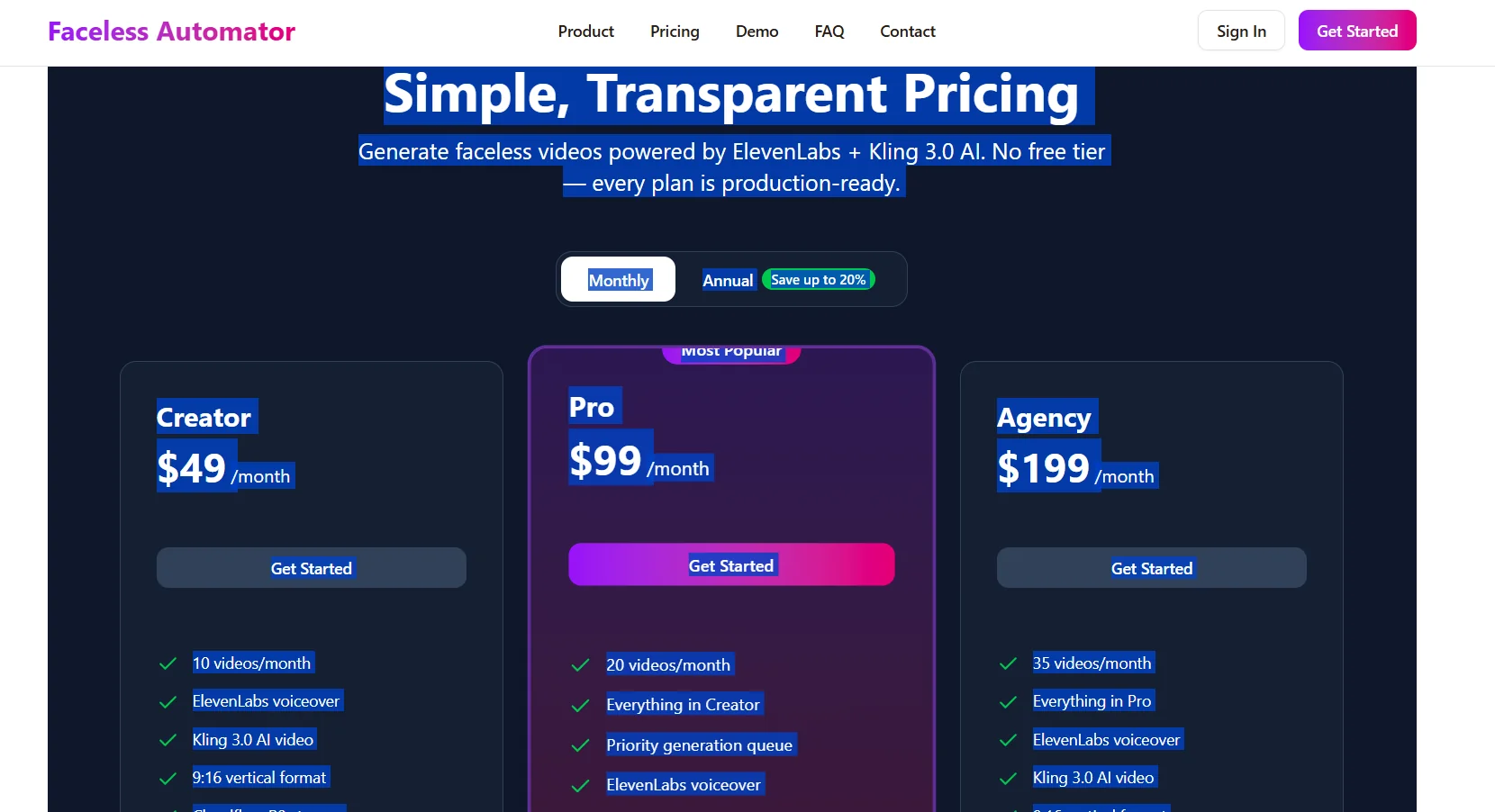
Faceless Automator offers a tool for creating AI-powered Faceless videos, allowing users to turn any topic into a polished video in minutes without the need for a camera, a production team, or manual editing. The tool is aimed at content creators who want to quickly produce YouTube Shorts, TikToks, and Instagram Reels, as well as marketing agencies that need to produce video content for clients at scale, and companies looking to grow their social media presence without hiring a video team. The process consists of three main stages, starting with AI Script Generation using Claude AI to create industry-specific scripts, followed by Natural Voiceovers using professional voices powered by ElevenLabs, and finally Instant Video Assembly to combine the script, voiceover, and footage into a video ready for publication. The platform currently relies on ElevenLabs + Kling 3.0 AI and provides 9:16 HD-quality videos suitable for vertical video platforms. Video creation typically takes 2–5 minutes on average, though the duration may vary depending on the length of the script and the voiceover selection.
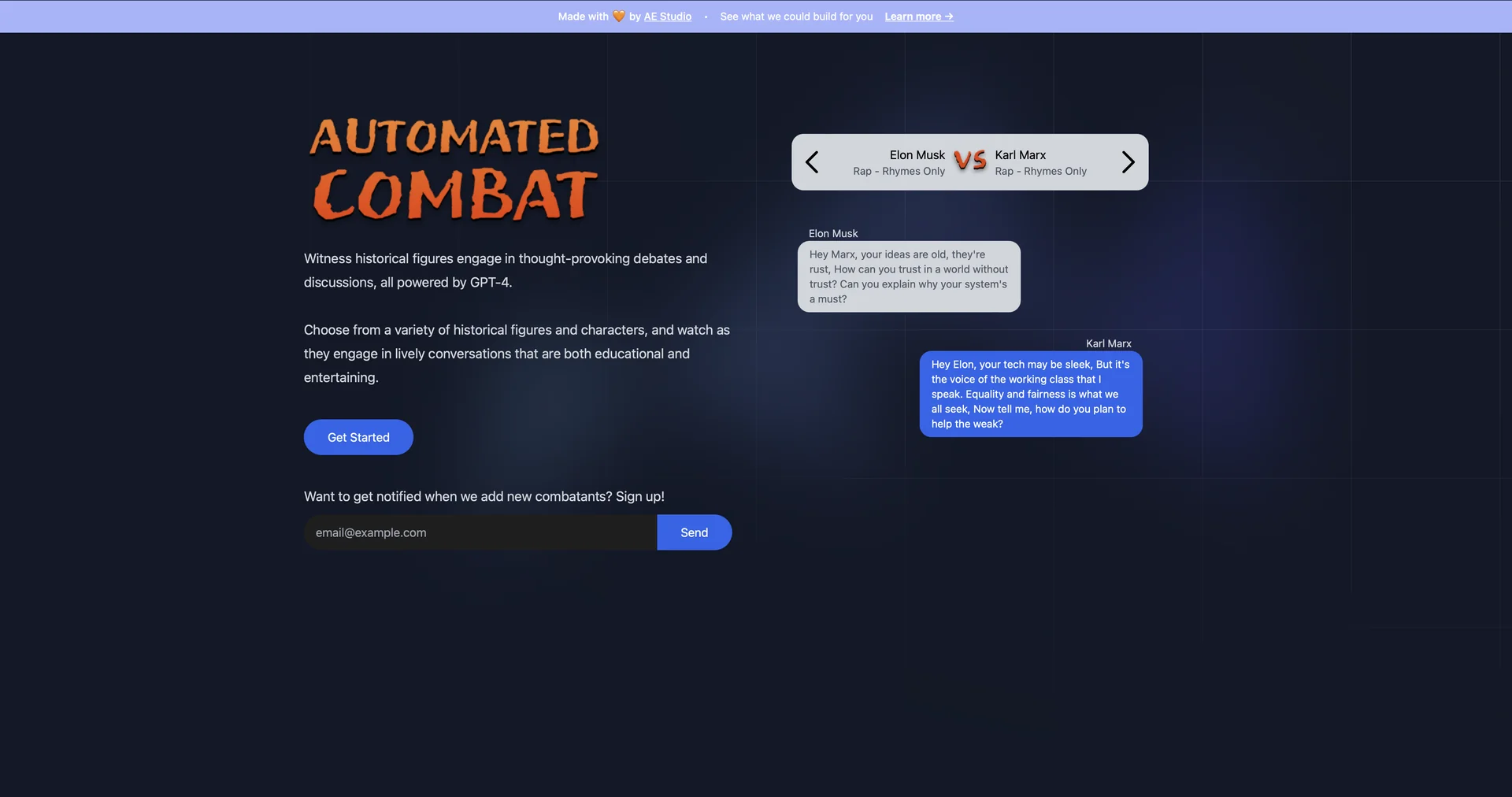
AI-powered debates between historical figures.
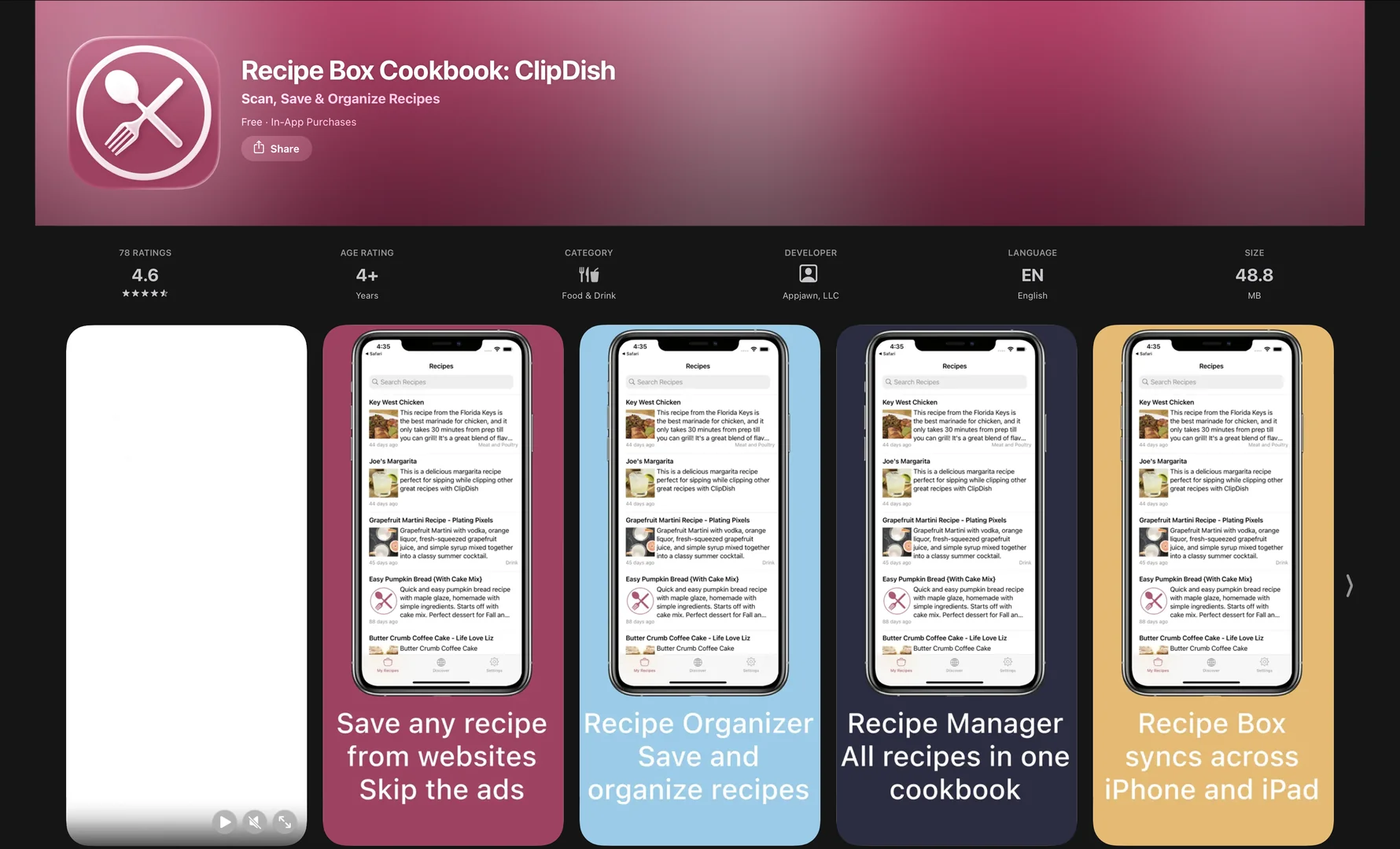
ClipDish: no info, no use case.
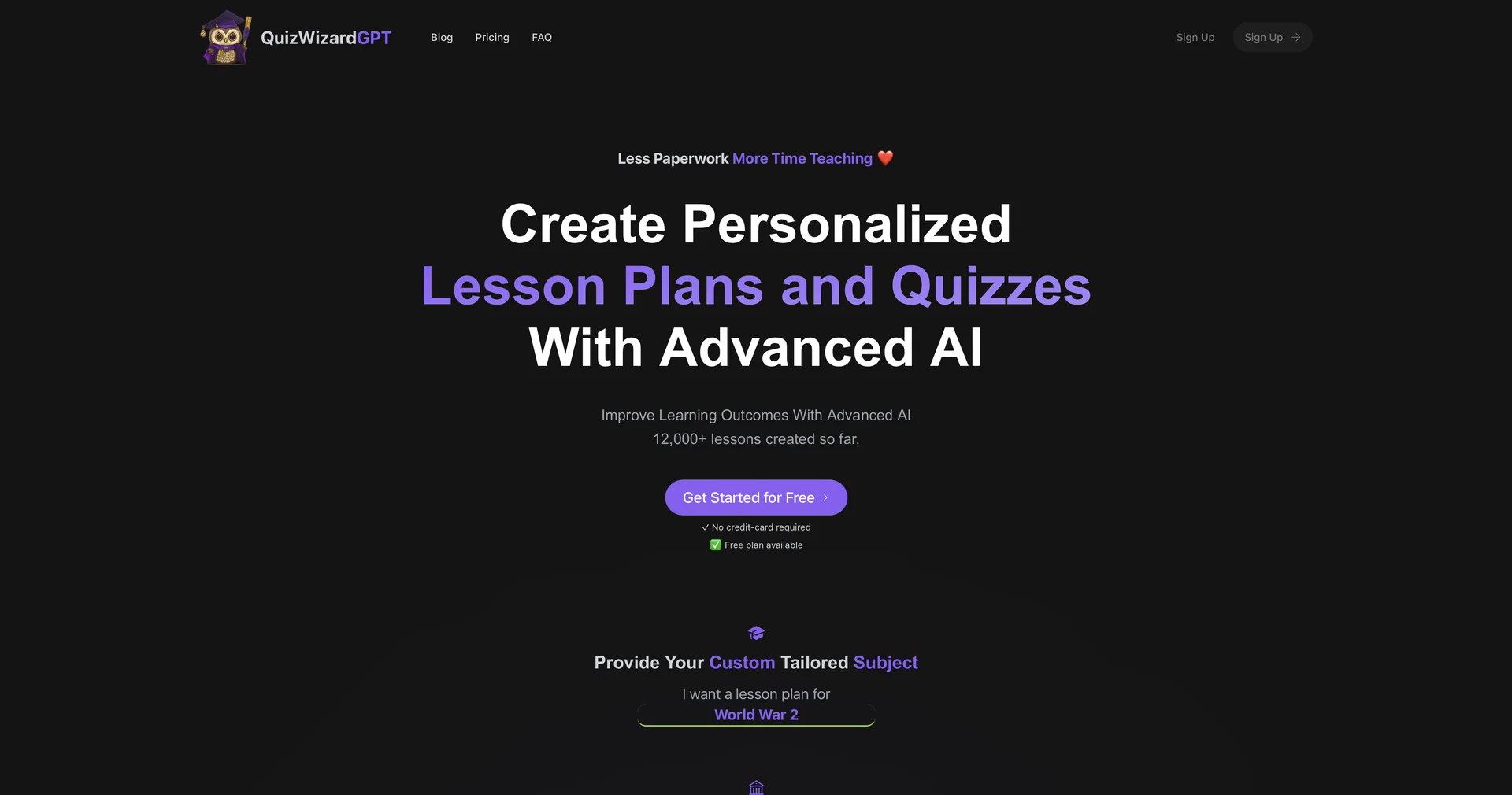
Educators' personalized quiz and lesson planner.

Generated meal planning with recipe suggestions.
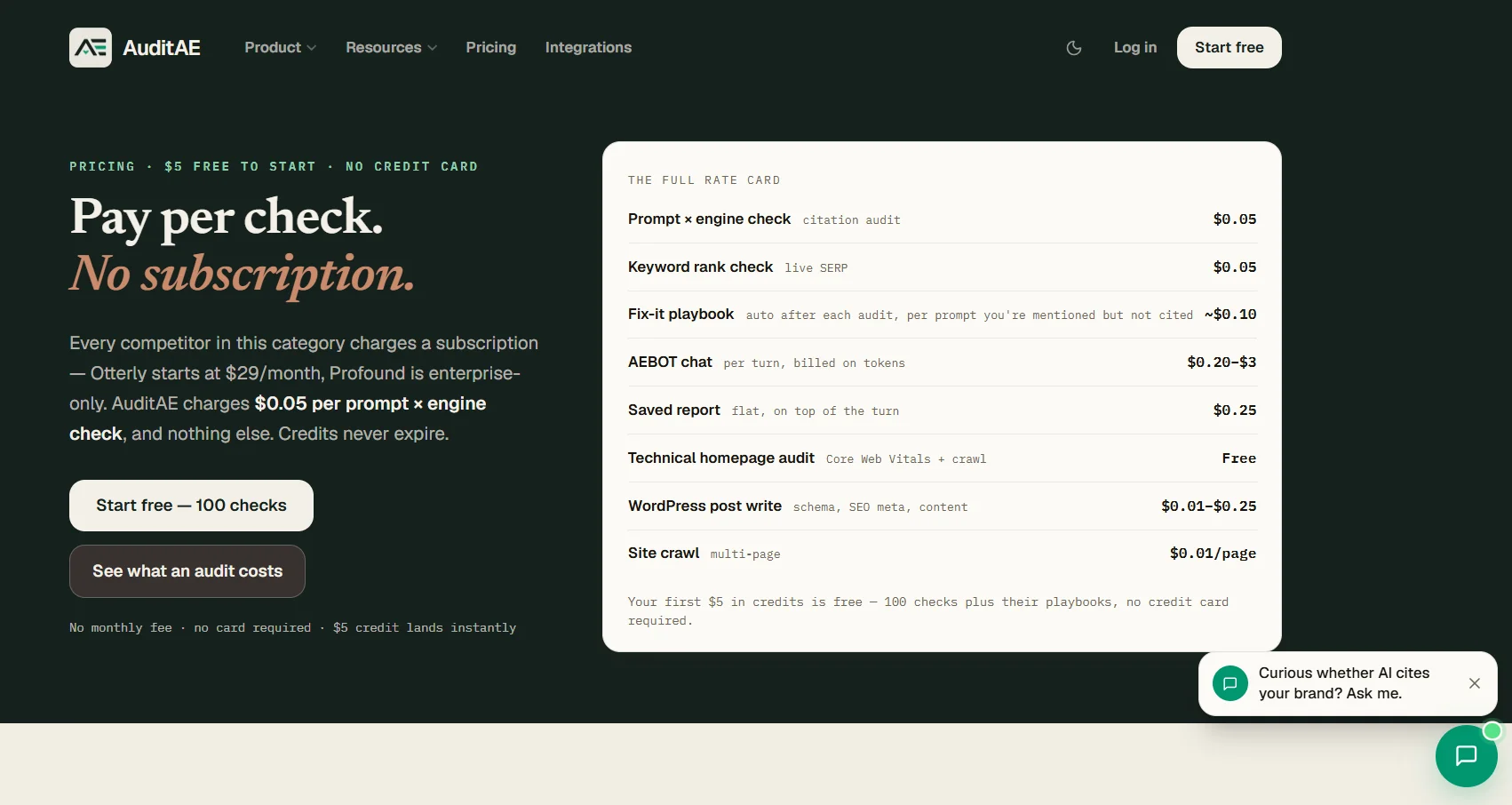
AuditAE is a platform for tracking brand mentions in AI-powered search engine responses, and focuses on determining whether ChatGPT, Perplexity, Google AI Overviews, and Gemini mention the brand or reference its website when users ask questions related to its products or category. The platform allows users to specify up to 10 claims per audit, run them through the four AI engines, and see whether the brand received a mention, which link was cited, and which competitor appeared in its place. It also consolidates Google keyword ranking data and Core Web Vitals metrics into a single workspace and provides citation gap analysis to identify claims where competitors receive citations but the brand does not. AuditAE also supports tracking competitors and their share of citations, saving audit results, scheduling weekly or monthly tracking, and integrating with Google Analytics 4 and Google Search Console, as well as WordPress integration that provides tools related to schema markup, SEO data, alt text, llms.txt, and redirect rules. Technical audits for the homepage are also available, covering Core Web Vitals, H1 structure, canonical tags, robots.txt, and sitemaps.
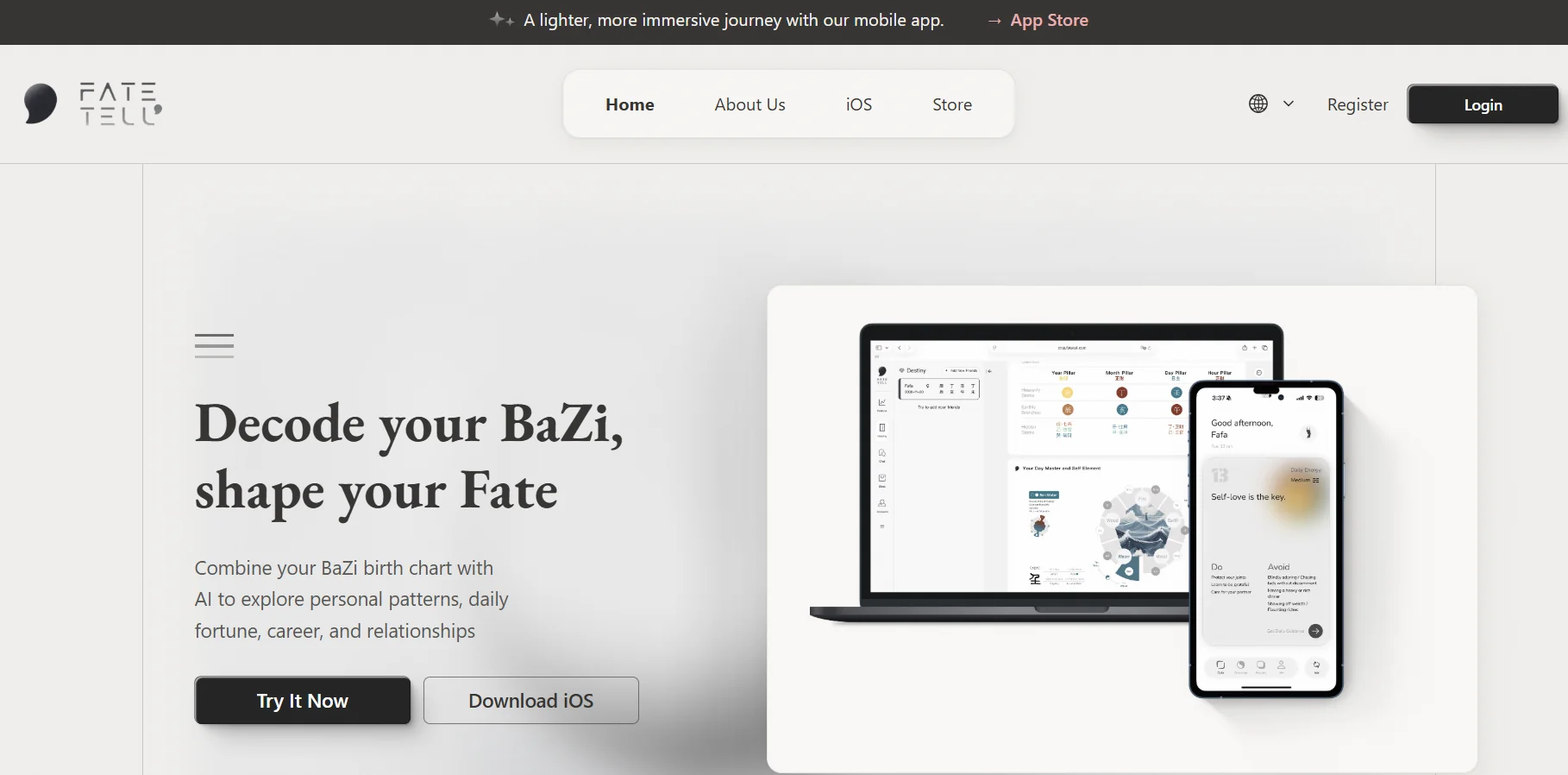
FateTell is an AI-powered platform that analyzes the BaZi chart—also known as the Four Pillars of Destiny—based on birth data, and then provides insights into personality traits, daily fortune, career, and relationships. The platform offers “Dialogue Summoning,” which features the Master of “Destiny” to provide in-depth insights into trends in luck and life, and the “Master of ‘Divination’” to answer questions regarding specific decisions, in addition to content explaining the principles and concepts associated with Eastern metaphysics. It also offers FateBook, an interactive report on Eastern numerology/destiny that includes 10 cards and thousands of words, covering four key areas—wealth, emotions, health, and learning—while linking the interpretation to the BaZi chart and its elements. AnnualBook or FortuneBook provides an annual reading that addresses long-term trends, seasonal changes, and monthly interpretations. AI Divination also includes a tool based on the 64 hexagrams of the I Ching to answer questions related to short-term events or decisions, in addition to Grand Master, which functions as a consultative tool linked to FateBook to answer questions regarding the birth chart. The platform also offers Yin-Yang readings, daily horoscopes, and educational content such as “Little Daoist” in some versions of the platform.

Smart Stock Agent is an AI-powered U.S. stock analysis platform that focuses on stocks and ETFs listed on the NYSE and Nasdaq. It allows users to search for any U.S. stock using the ticker symbol or company name, view real-time prices, key indicators, and financial data, and generate AI-powered analysis based on technical indicators such as RSI, MACD, and Bollinger Bands, earnings data, news and market sentiment, and corporate financials. It also offers trading strategies that include staggered entry plans, exit targets, stop-loss levels, ROI calculations, and suggested trade timing based on the user’s risk profile. The platform also features a Portfolio Tracker to monitor actual holdings, calculate portfolio value, unrealized and daily gains and losses, diversification score, concentration alerts, and a Portfolio Health Score ranging from 0 to 100, with transactions recorded in the transaction log. It also offers a Watchlist for organizing stocks and ETFs by sector, percentage-based price alerts, and real-time notifications via the platform and email, as well as daily or weekly email summaries. It includes a Market Overview to track the S&P 500, NASDAQ, Dow Jones, and Russell 2000 in real time. The platform also supports Sharia compliance checks in accordance with AAOIFI Standard 21, evaluating business activities, debt ratios, interest income, and other financial indicators. It also supports analysis of U.S. ETFs, noting that certain key metrics such as P/E, EPS, earnings data, and balance sheet information do not apply to ETFs and are displayed as N/A.
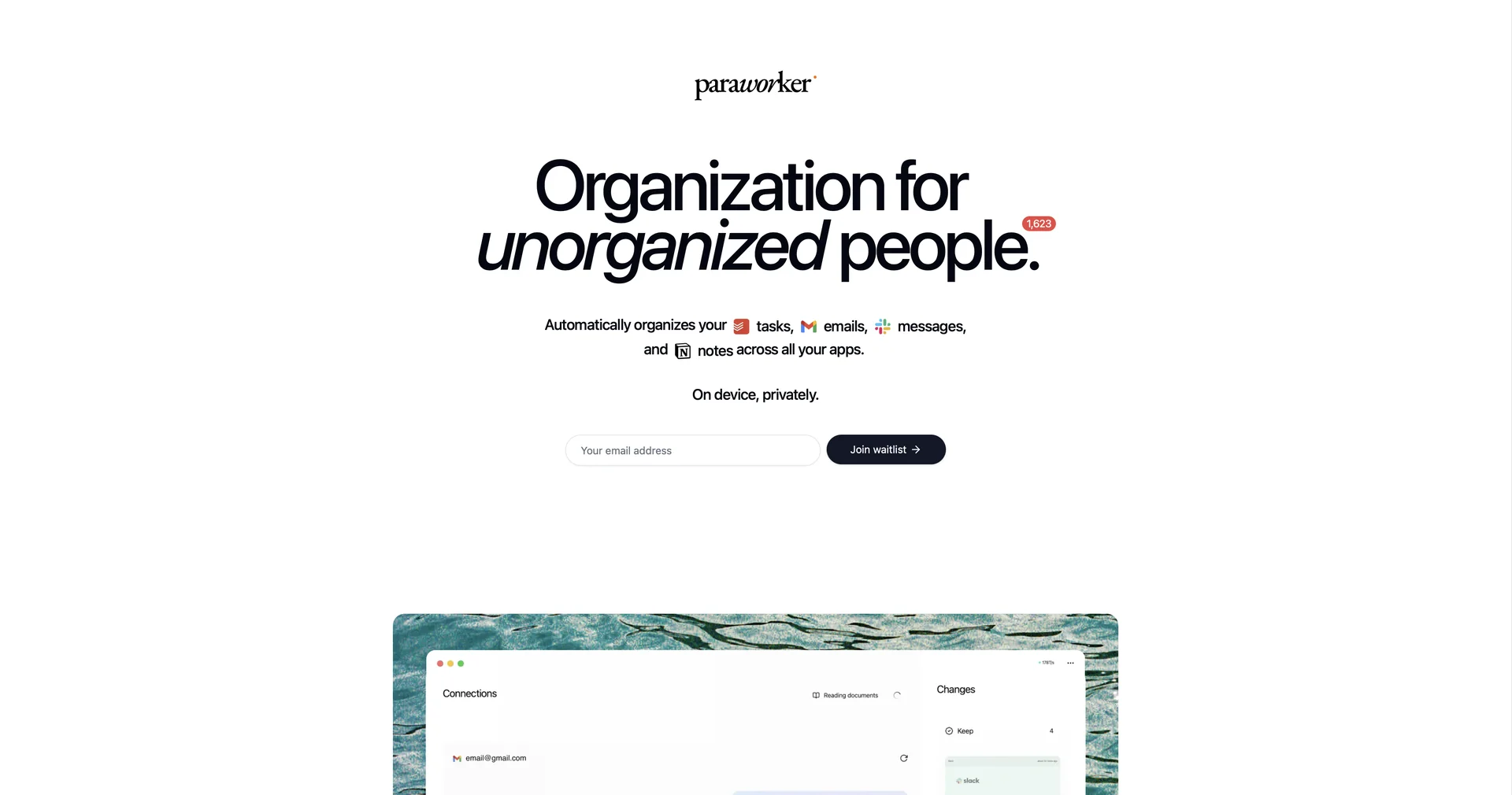
Turn spontaneous thoughts into actionable tasks.
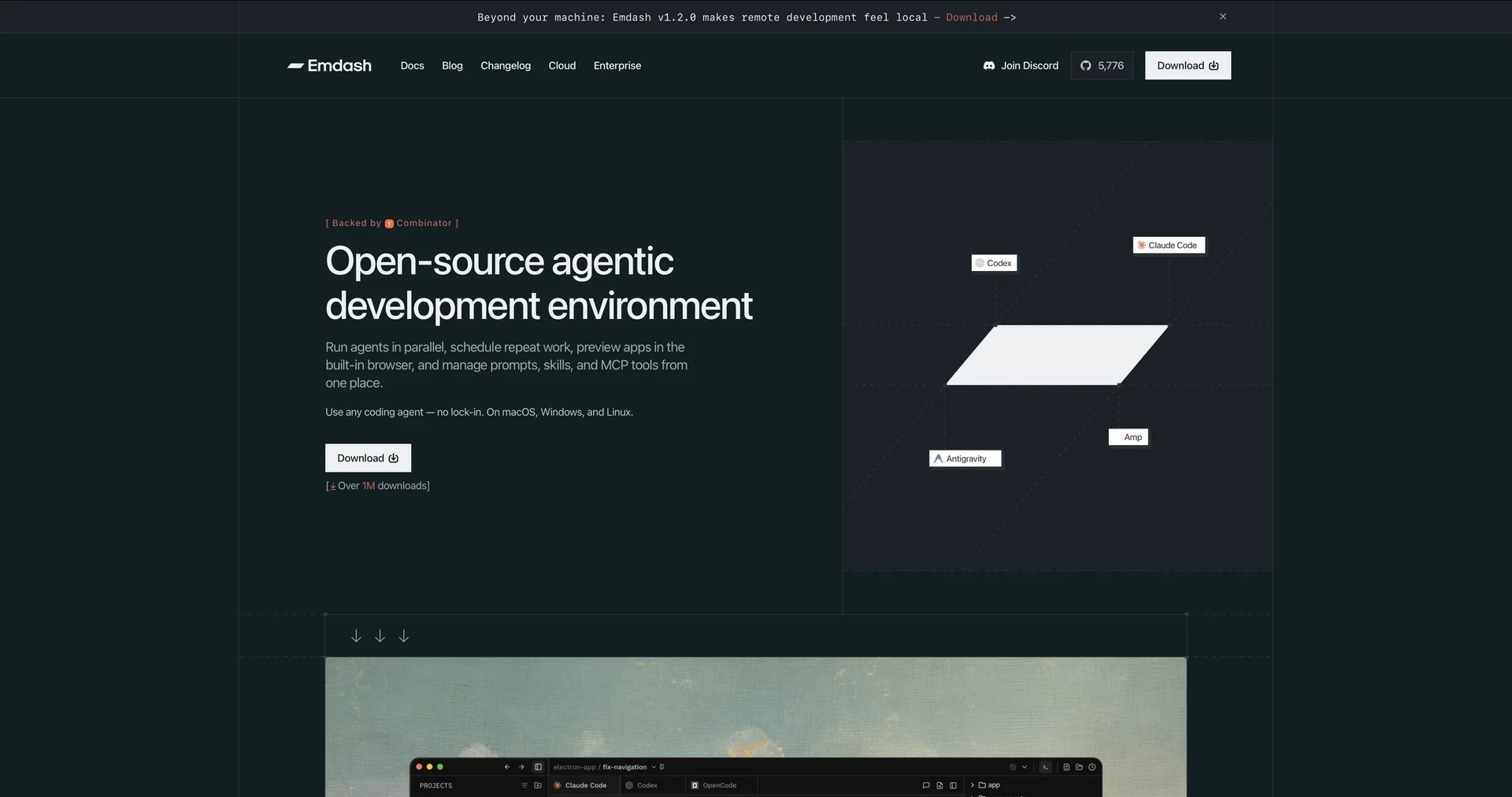
AI-powered book highlight organizer for better learning

Unleash your Twitter potential with AI-powered tools.

Edited social media photos and stories.
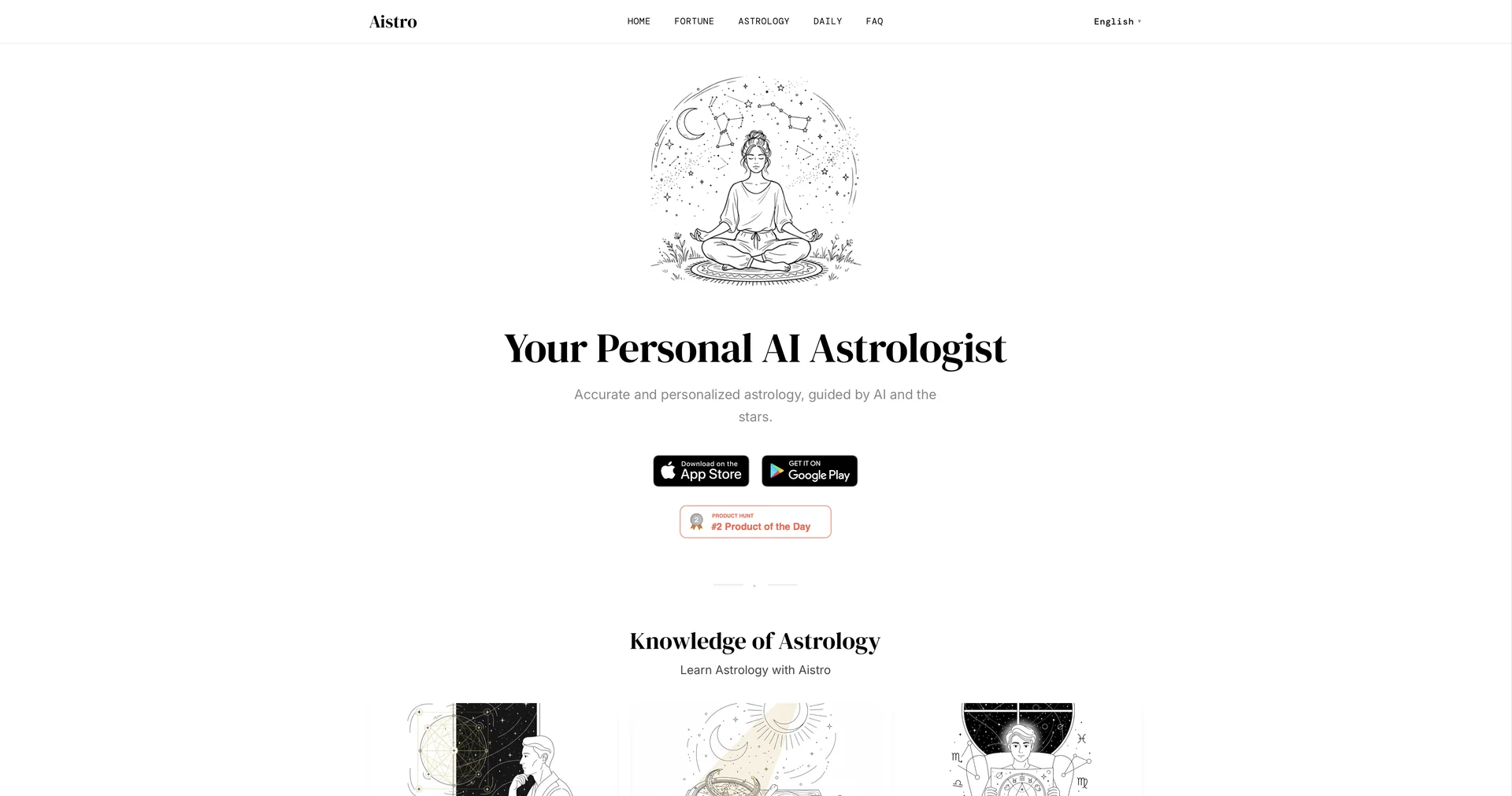
AI-powered personal astrology insights
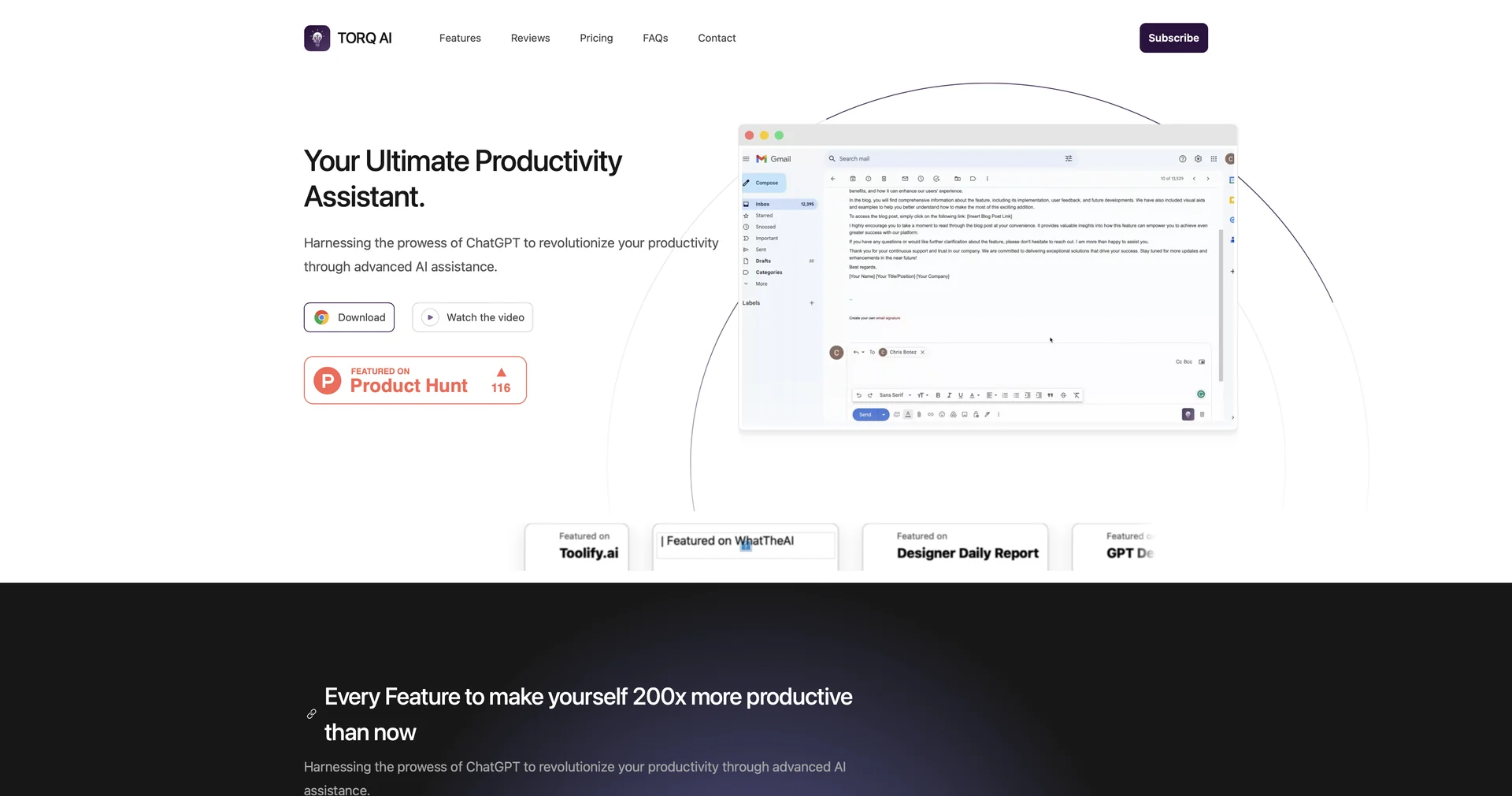
AI-powered assistant for revolutionary productivity.
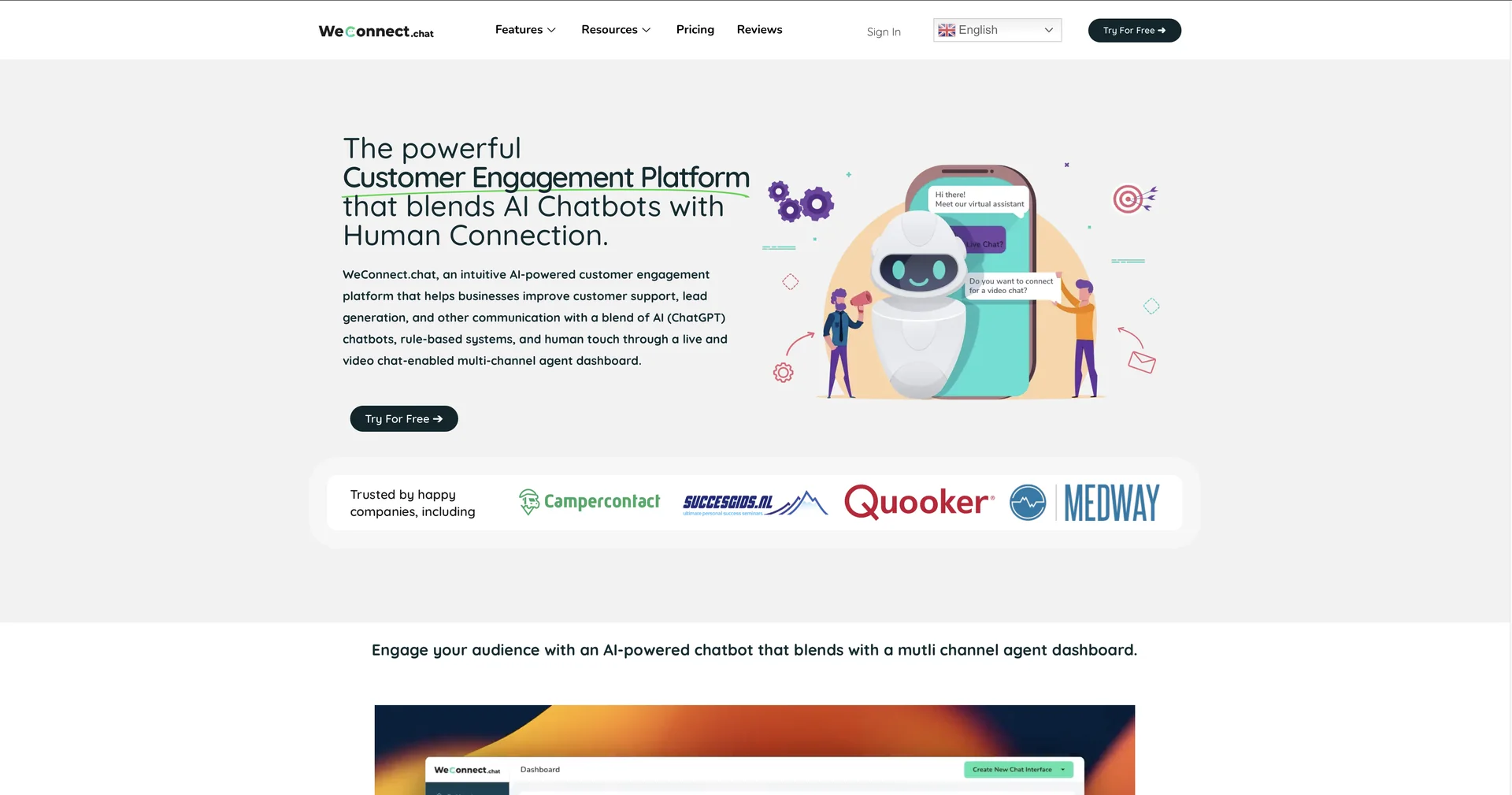
Build no-code chatbots with video chat functionality
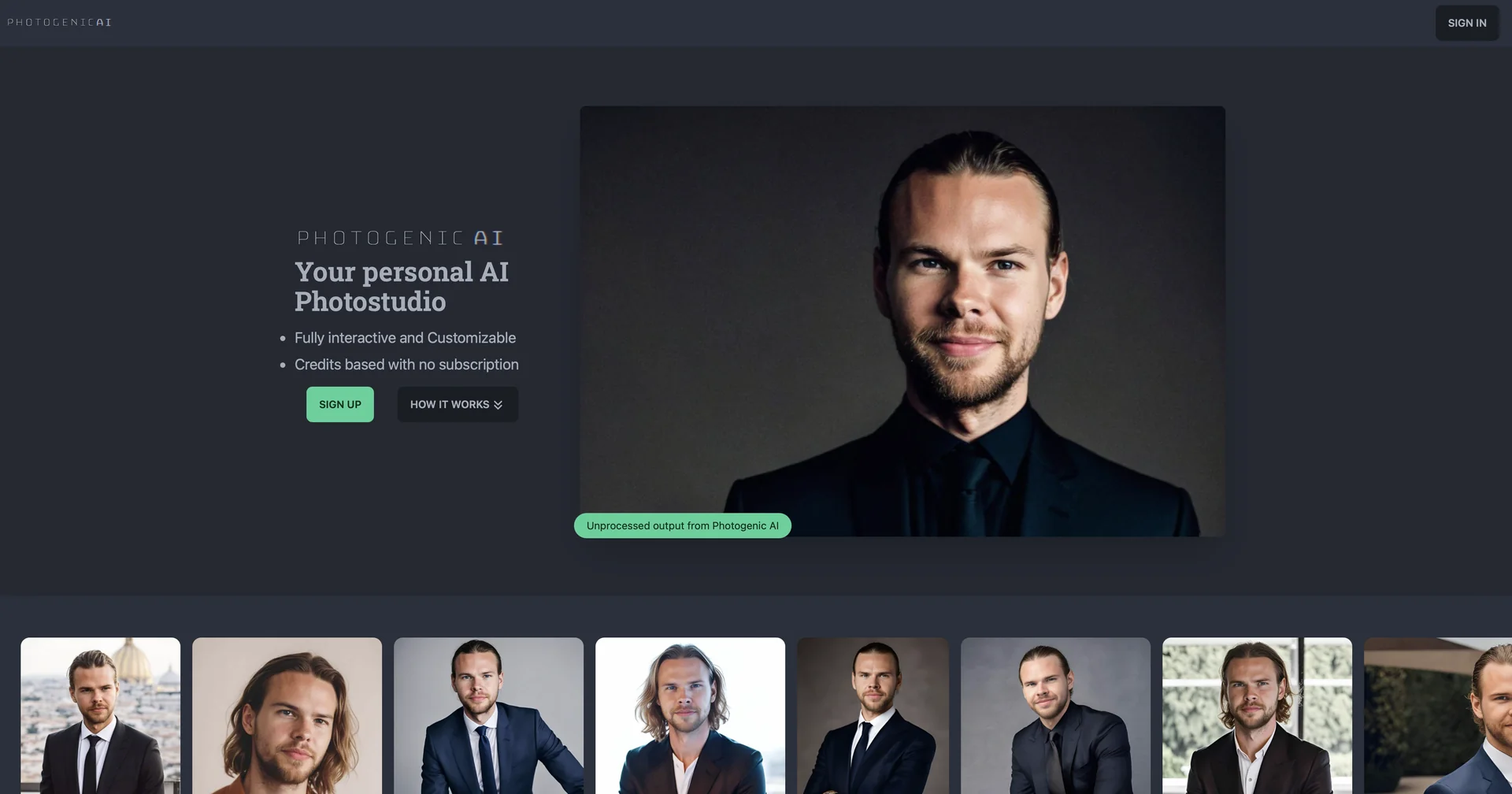
Create infinite AI photos with your personal photostudio
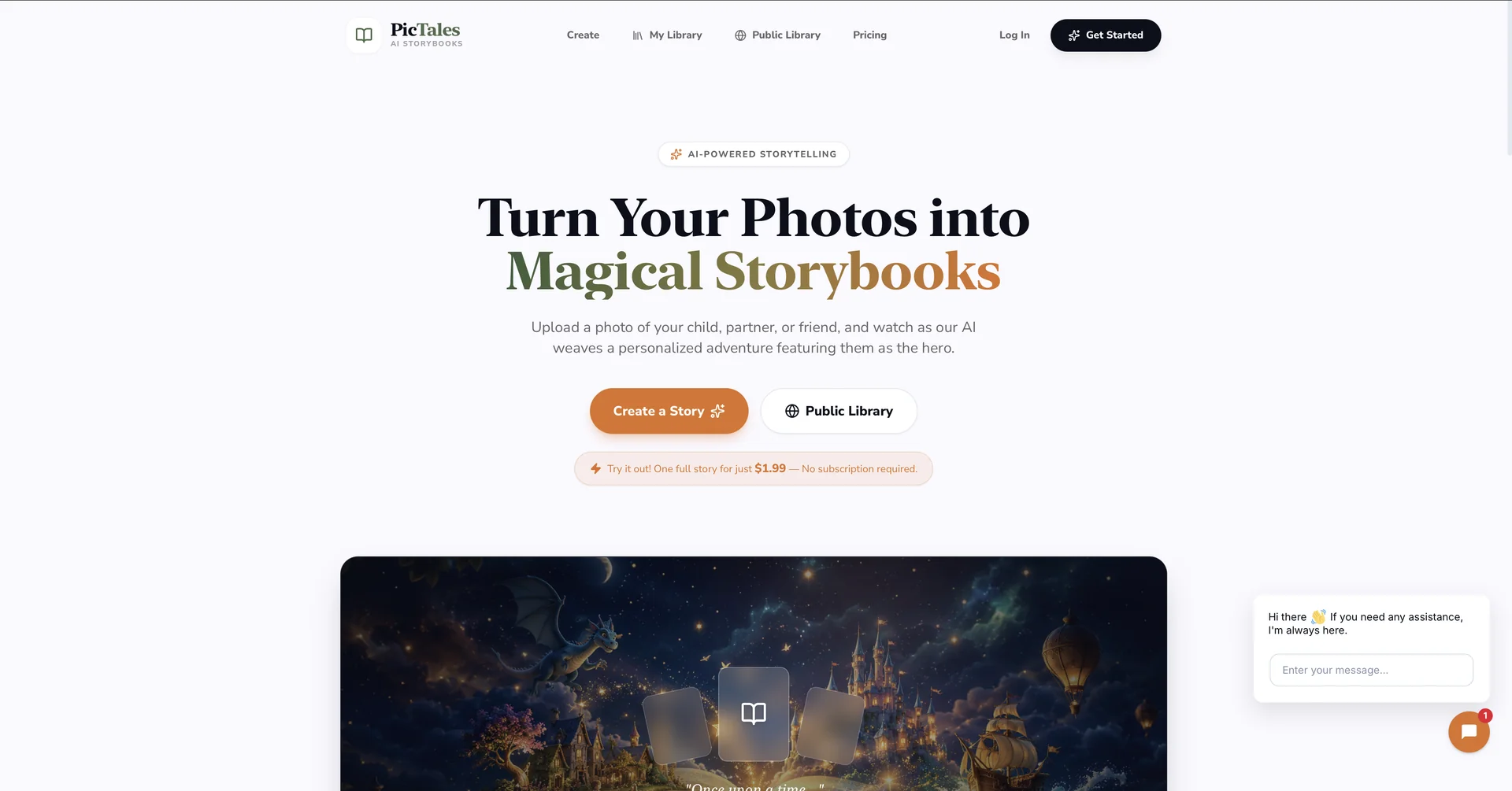
Transform images into captivating stories.