Langfinity
Connect globally with AI-powered real-time translation
7,286 results
Connect globally with AI-powered real-time translation
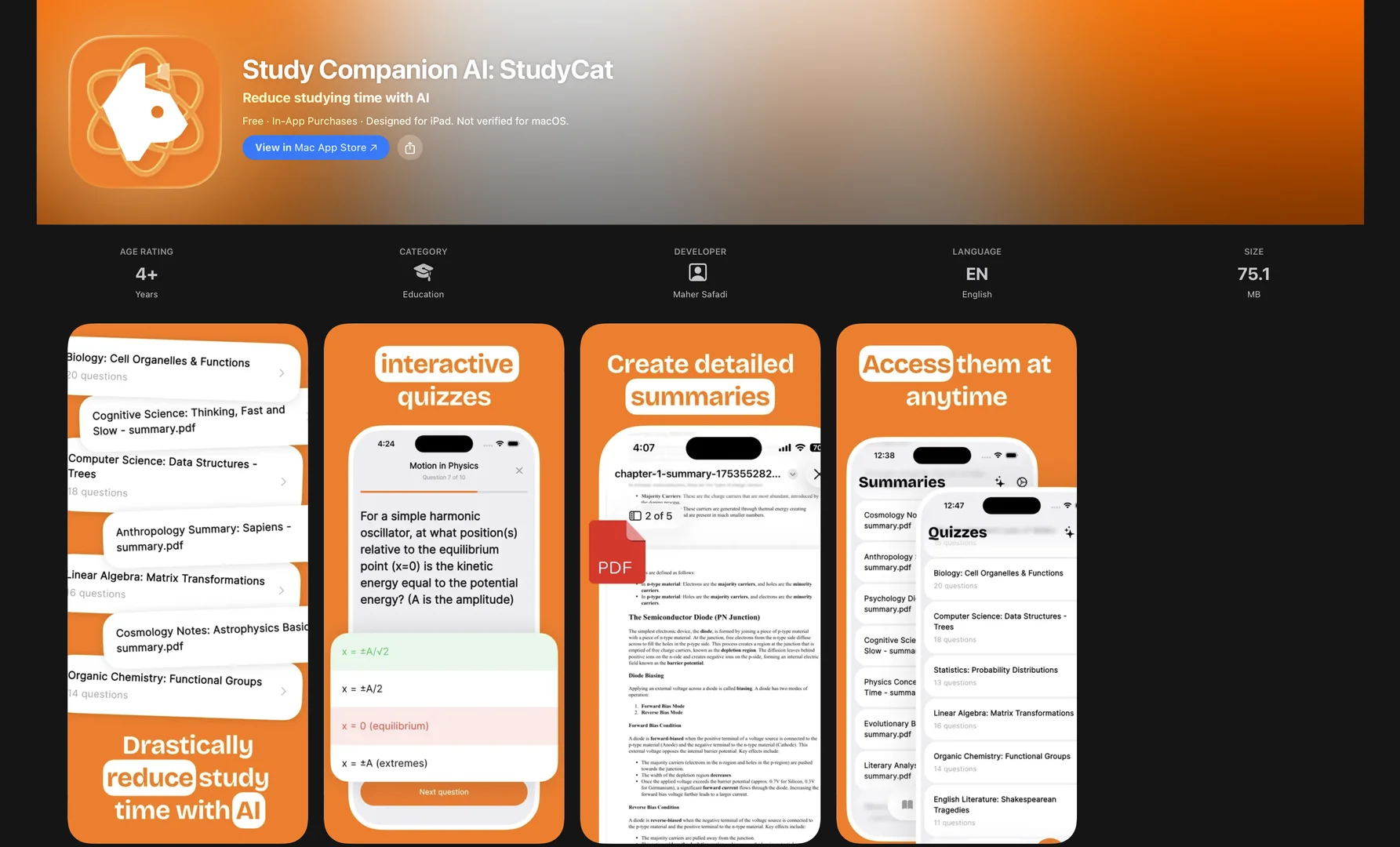
Enjoy QuizCat on your Apple devices
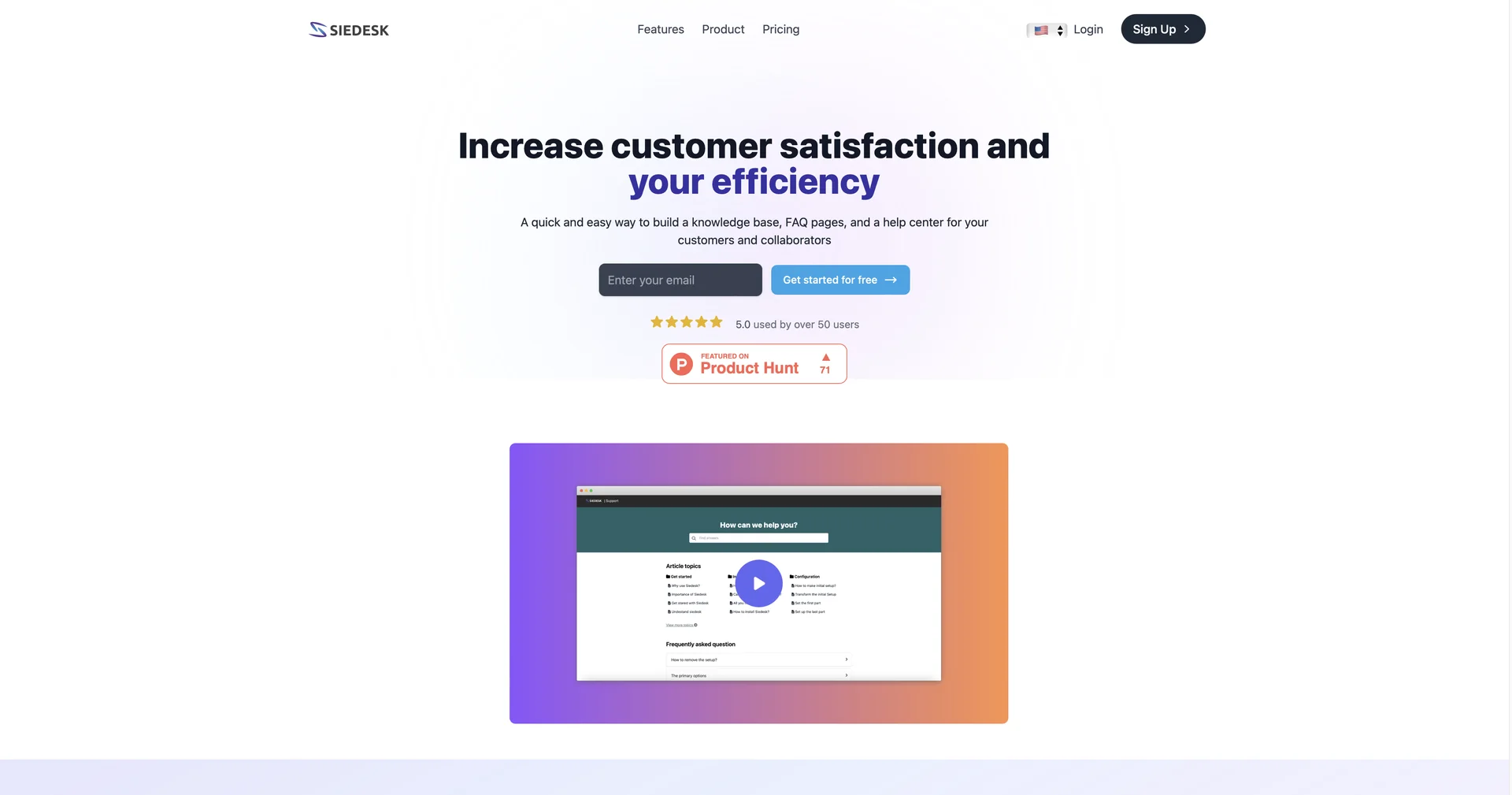
Build knowledge bases and FAQs with AI assistance.
AnyFlip is a platform for publishing interactive digital books, magazines, and publications using HTML5 technology. It allows you to convert PDF files into interactive flipbooks in minutes, complete with a realistic 3D page-turning effect. It can be used to create magazines, catalogs, brochures, reports, newsletters, and marketing content, with support for rich media such as audio, video, links, and SWF, as well as animations, scenes, and effects. The platform provides hosting for publications and the ability to publish them online, offline, or on USB/CD/DVD/EXE/ZIP/APP. It also supports HTML5, jQuery, and CSS3 to ensure compatibility with Windows, Mac, Linux, iPad, iPhone, Android, and Kindle. AnyFlip offers more than 120 customization options, unlimited hosting, subscription management, and advanced analytics, along with the ability to create a Bookshelf embedded within websites. It also includes features such as a custom domain, the ability to download publications as PDFs or ZIP files, password protection for publications, integration with Google Analytics, cloud hosting, a table of contents, magazine subscriptions, and social media sharing. You can also customize the logo and branding, use available templates, backgrounds, and scenes, and add videos, audio, images, pages, notes, comments, and bookmarks, with support for SEO, keyword search, printing, and auto-play mode.
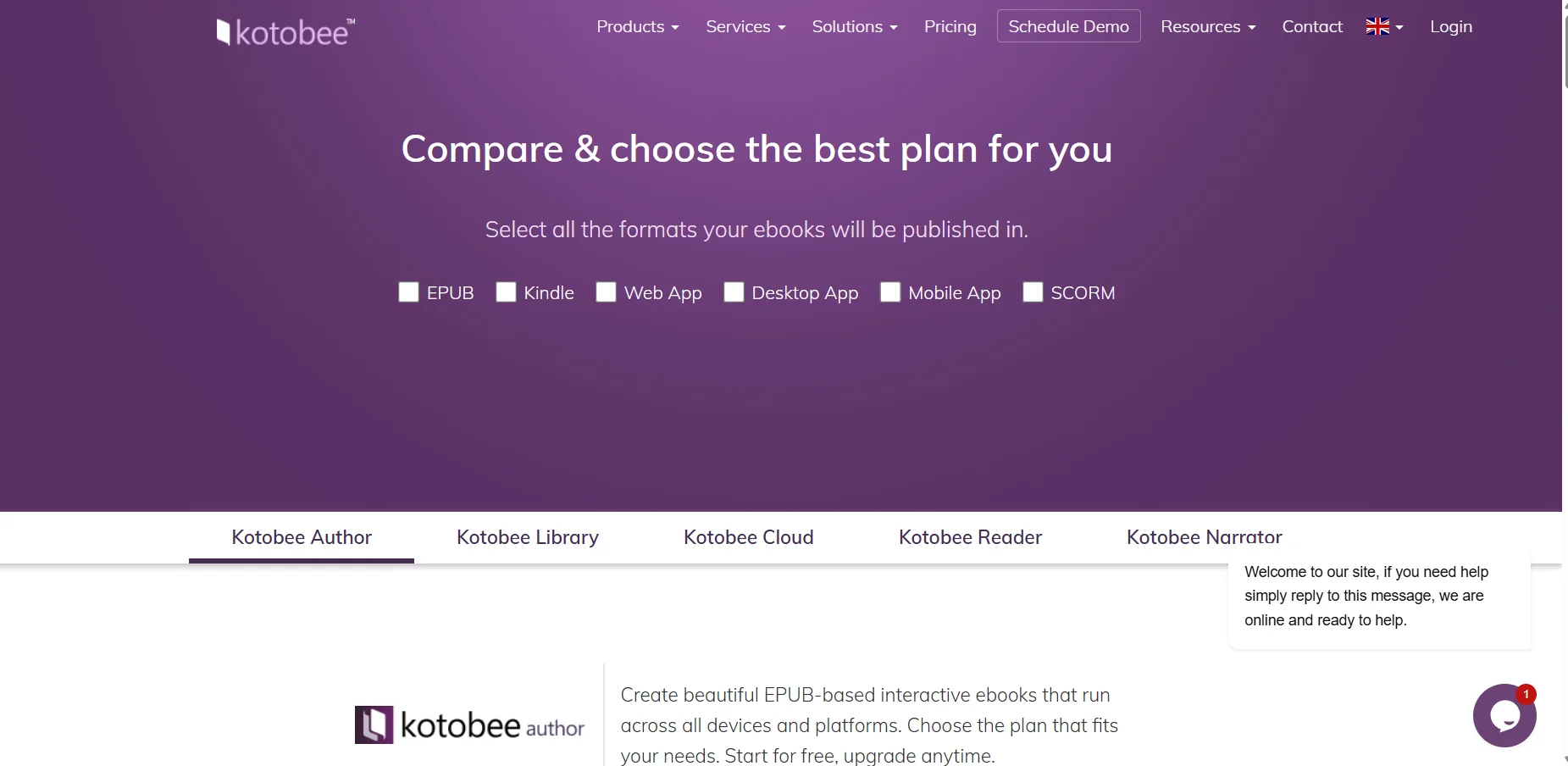
Kotobee Author is a tool for creating and editing interactive EPUB-based e-books, It allows you to create interactive content and add videos, audio, questions, tools, and interactive elements, with the ability to customize the book’s interface and features, add branding and a logo, and preview the book on more than 40 different devices. It also allows you to import from PDF, HTML, Word, and EPUB files or start creating a book from scratch, and export to over 12 different formats, including EPUB, PDF, web apps, desktop apps, and mobile apps, with the option to host the book directly via Kotobee Cloud. The platform supports integration with Learning Management Systems (LMS) using SCORM, LTI, and Tin Can, allowing interactive e-books to be displayed within the LMS and enabling the collection of grades, performance reports, and tracking of actions taken within the book. It also provides control over user access to books, Kotobee Cloud account management, and tracking of mobile app development, in addition to the ability to publish books for free in the Kotobee Books Library as part of the free plan. Kotobee also offers custom services, including e-book conversion, design, the addition of custom programming and interactive features, and digital publishing—including app export, DRM, and uploading books to selected platforms.

Mirror Mirror AI is a platform specializing in AI-powered fashion that functions as a marketplace connecting brands and fashion agencies with real models, allowing brands to browse a roster of licensed real models and book them directly, and then create AI-generated fashion images at scale, including flat lay images, e-commerce images, and images for advertising campaigns. The platform relies on real models who have agreed to license their likeness for use in AI-generated content, and they receive compensation every time an image featuring their likeness is licensed; no model’s likeness is used except under the agreed-upon terms of use. The process begins with the model licensing their likeness, followed by the brand selecting and booking the model, creating the images, and then licensing the images the brand chooses to use in accordance with the agreed-upon terms of use; after that, the model receives compensation for each licensed image. The platform also allows brands to transition from traditional product images to advertising campaign images without the need for an actual photo shoot, with the ability to book real models and obtain specific, clear, and pre-agreed usage rights—without having to book a studio, plan a photo shoot, or wait for a third party.
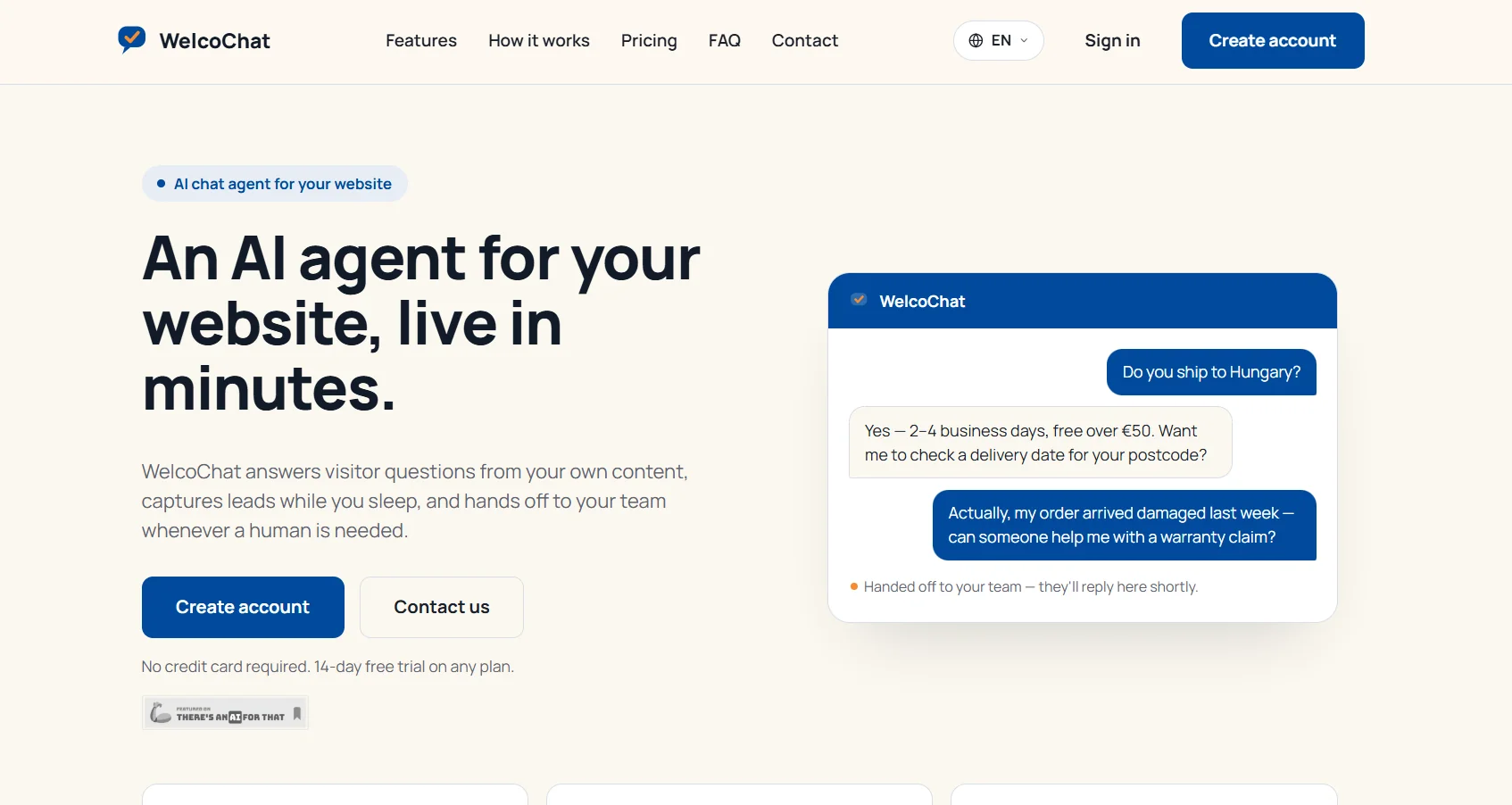
WelcoChat is an AI-powered chatbot for websites that answers visitors’ questions based on the site’s content, helps capture leads, and transfers the conversation to the support team when human intervention is needed. The platform relies on a knowledge base built by automatically crawling the website or by uploading documents, PDFs, and FAQs. You can customize the bot’s name, avatar, colors, and welcome message, and then embedding it on the website with a single line of code. It also allows you to review conversations and unanswered questions through the control panel to improve the knowledge base over time. The agent transfers the conversation to a live representative when unsure of the answer or when the visitor requests to speak to a person. The platform includes a knowledge base for the website, a fully embeddable and customizable widget interface, and the ability to capture lead data—including name, email, company, and intent—for every qualified conversation, and direct handoff to the support team so that the team is notified and can respond directly within the conversation itself from the WelcoChat portal, as well as a metrics dashboard displaying conversation volume, conversion rates to employees and captured leads, and the status of the knowledge base. It also provides notifications via Slack, Teams, and Webhooks that can be used with Zapier, Make, or any other tool. Available in the Business plan and above is a WhatsApp channel that allows users to link their WhatsApp Business number so the agent can respond directly there, with the option to forward messages to an employee. It also includes team accounts that allow team members to be invited to manage the agent and handle live conversations together. You can also use a custom logo, choose to place the widget in the bottom left or bottom right corner, and enable image support so that visitors can send photos and the agent can respond based on the image and website content using real-time computer vision, and multilingual support so that the agent automatically detects the visitor’s language and responds in it. The Enterprise plan includes a Custom CSS feature, which allows for the use of custom CSS confined within the widget’s Shadow DOM so that it does not affect the rest of the page. The platform also explains that the widget loads asynchronously so as not to block page loading, and it works on phones and tablets, The linked website URL can be updated, and uploaded documents and notes can be edited at any time via the portal; WelcoChat continuously re-learns new content without interrupting service.
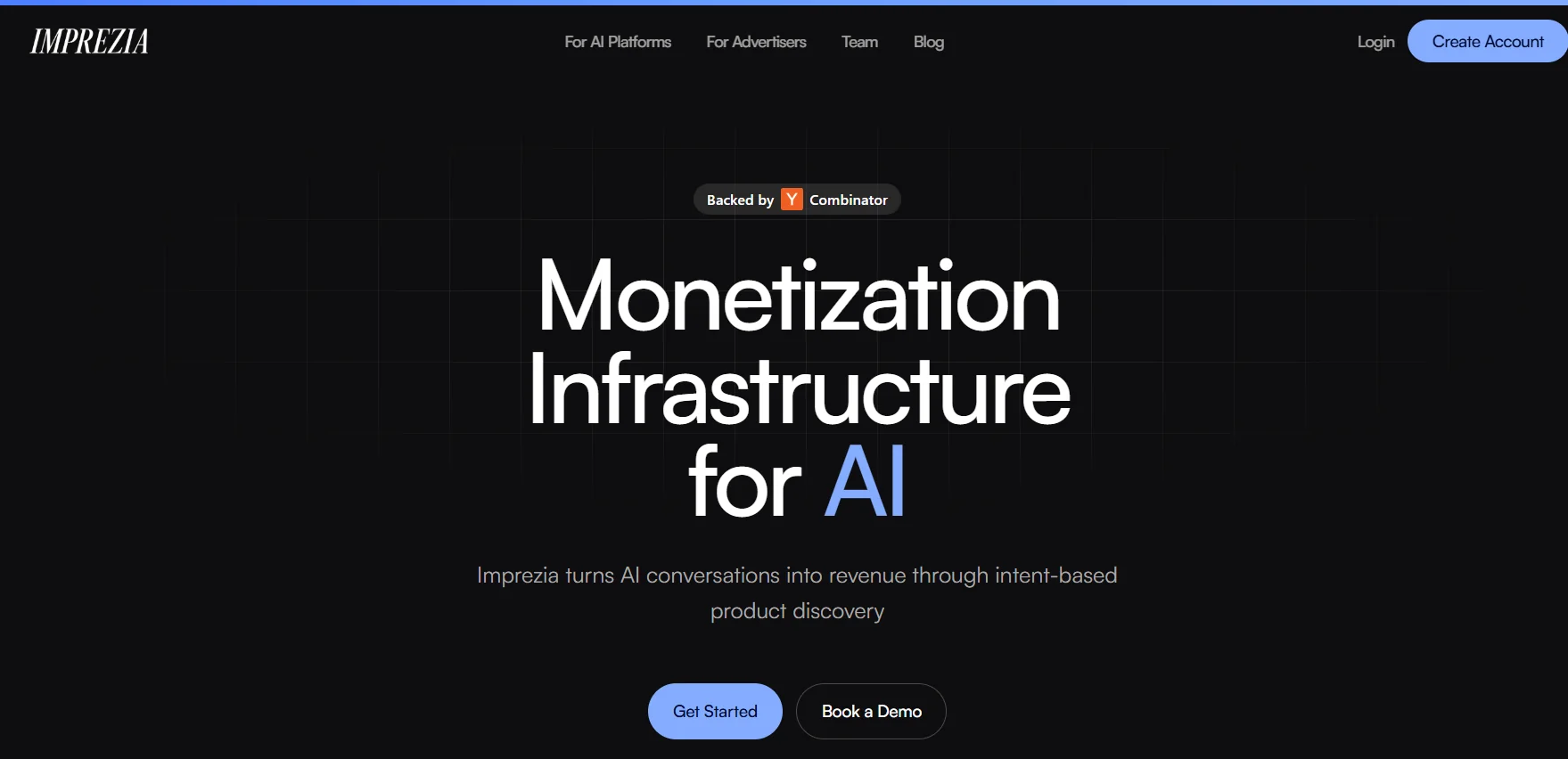
Imprezia is an infrastructure for monetizing AI applications; it transforms conversations with AI applications into revenue opportunities by discovering products based on user intent. The platform targets AI app developers and advertisers; It allows developers to integrate native ads into chat apps, chatbots, and virtual assistants using an SDK, while giving advertisers access to users the moment they exhibit a specific purchase intent or interest. The platform relies on real-time contextual matching between conversation content, user intent, and ad offers, while handling matching, billing, and attribution. The website provides an example: when a user asks about a place to stay in Tokyo, the platform recognizes the intent “tokyo traditional hotel” and then displays a relevant ad within the conversation. Imprezia also provides real-time analytics, impression reports, and performance tracking, noting that integration can be completed in about 5 minutes using a single SDK that works with various LLM models.
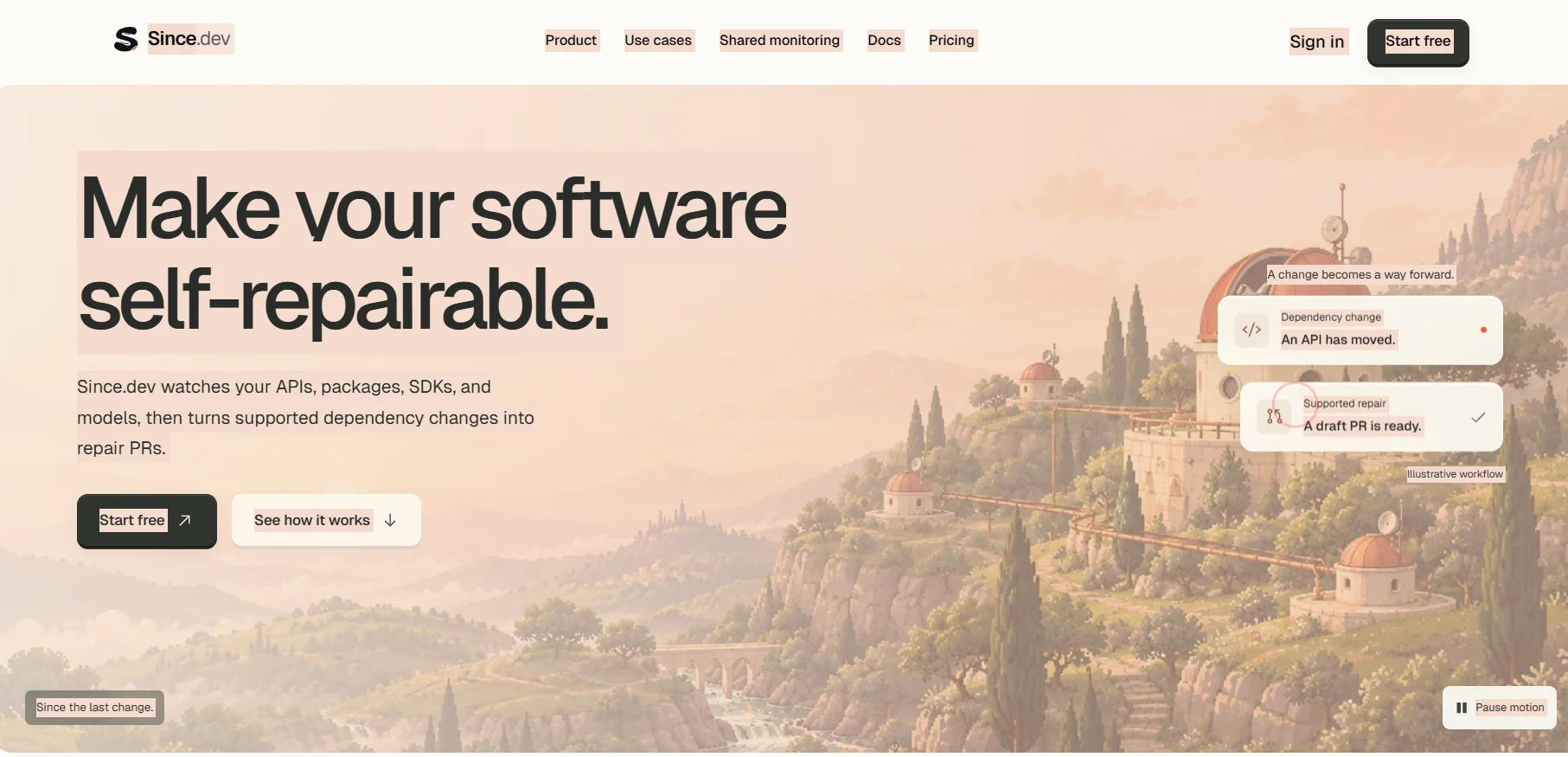
Since.dev is a platform for monitoring software and making it self-healing; it monitors APIs, packages, SDKs, and models, then converts changes to supported dependencies into pull requests (PRs) for fixes. The platform allows you to connect a GitHub repository to see what has changed, find the affected code, and review a supported fix. The workflow includes detecting external changes, determining their impact on the code, preparing a small supported fix, and then reviewing it through the user’s CI. Sources that can be monitored include npm, GitHub, PyPI, Rust, OpenAPI, and RubyGems. It also supports monitoring API changes, SDK updates, deprecations, and provider changes. The API Contract feature links a documented API change to the calls that use it, with the ability to review a supported fix for an endpoint, parameter, or version, An example of this is changing the endpoint from /v1/messages to /v2/messages within src/integrations/messages.ts. The platform provides supported fixes and draft PRs, while testing is conducted within the user’s repository and the user chooses what to ship; nothing is automatically merged or deployed; Draft PRs use the user’s existing CI system, with the ability to request modifications and review the updated patch within the PR itself. Since.dev also offers the World State feature, which allows agents to verify their assumptions against the latest recorded observation before performing any action; the external state includes facts, versions, and service provider conditions. The Verification feature allows you to check whether recorded information remains valid without performing a new fetch, noting that an “Unknown” status does not necessarily mean the information has not changed; For example, if `example-sdk.version = 19.0.0` has changed to `20.0.0`, the agent receives evidence for review when the observation differs, and must verify the observation timestamp and source status. The platform also offers Shared Evidence, where the public source is checked once for everyone, while each Watch retains its own instructions and notifications; users can specify the changes that matter to them, such as API changes, security fixes, and new releases. Since.dev allows agents to submit the changes they need via MCP, HTTP API, or Signed Webhooks, and uses Durable Cursor to preserve the user’s position, so that a read operation does not move the cursor, while Acknowledge is executed after processing and then the work is resumed from the remaining position. It also supports issue tracking, fact-checking, coverage analysis, and change tracking through the tools used by the agent. The MCP setup includes the URL https://api.since.dev/mcp with an Authorization header, It also provides Integration Guides, which offer context for each change, including the statuses “breaking,” “deprecated,” “behavioral,” “additive,” and “advisory.” The official page explains that monitoring sources are checked on a scheduled basis rather than as a real-time feed, and that coverage includes packages, repositories, specifications, public pages, and supported status sources, while it does not include private sources, those protected by login, or those closed to automated reading.
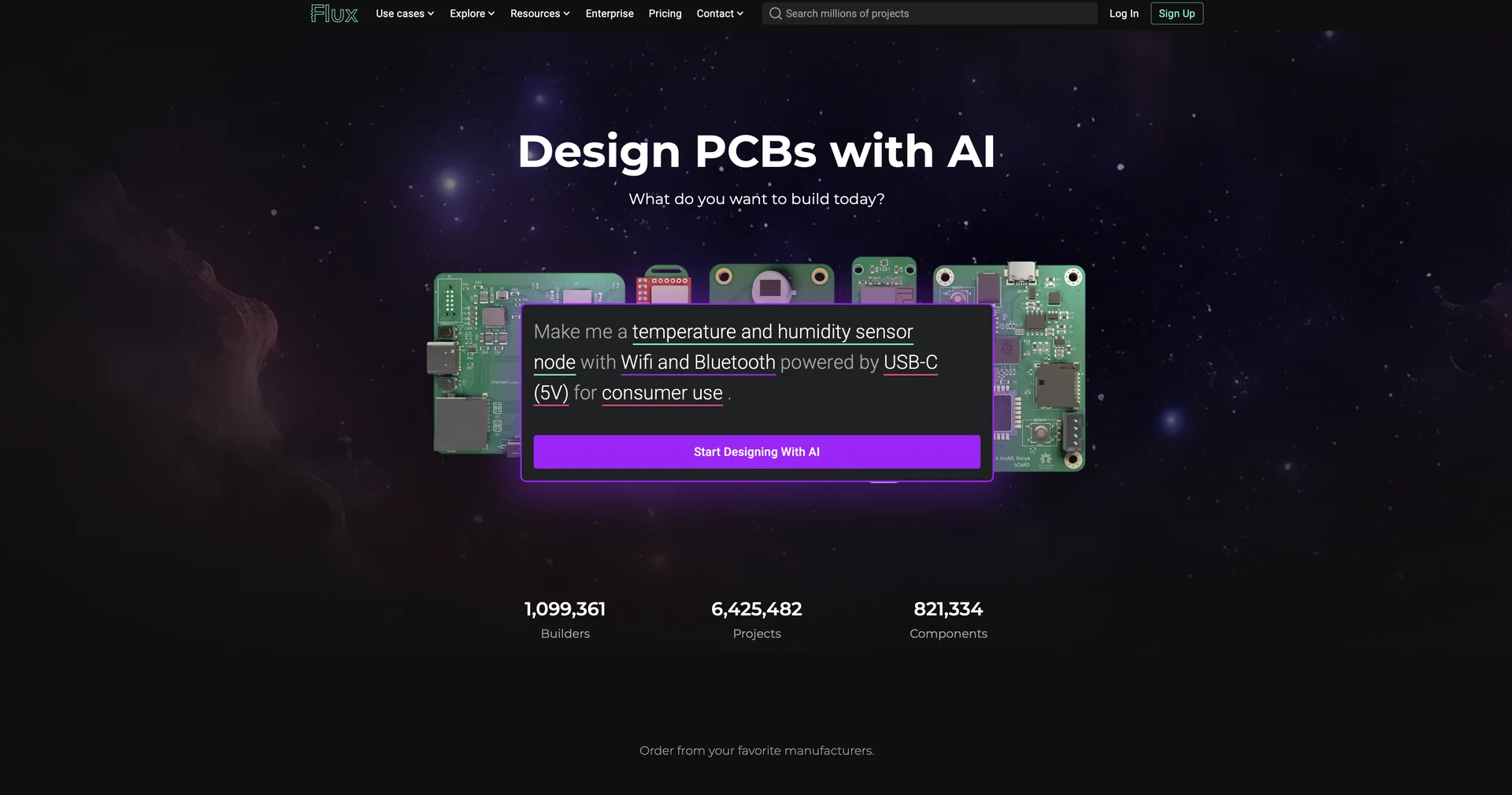
Go 10x faster from idea to PCB with AI assistance.
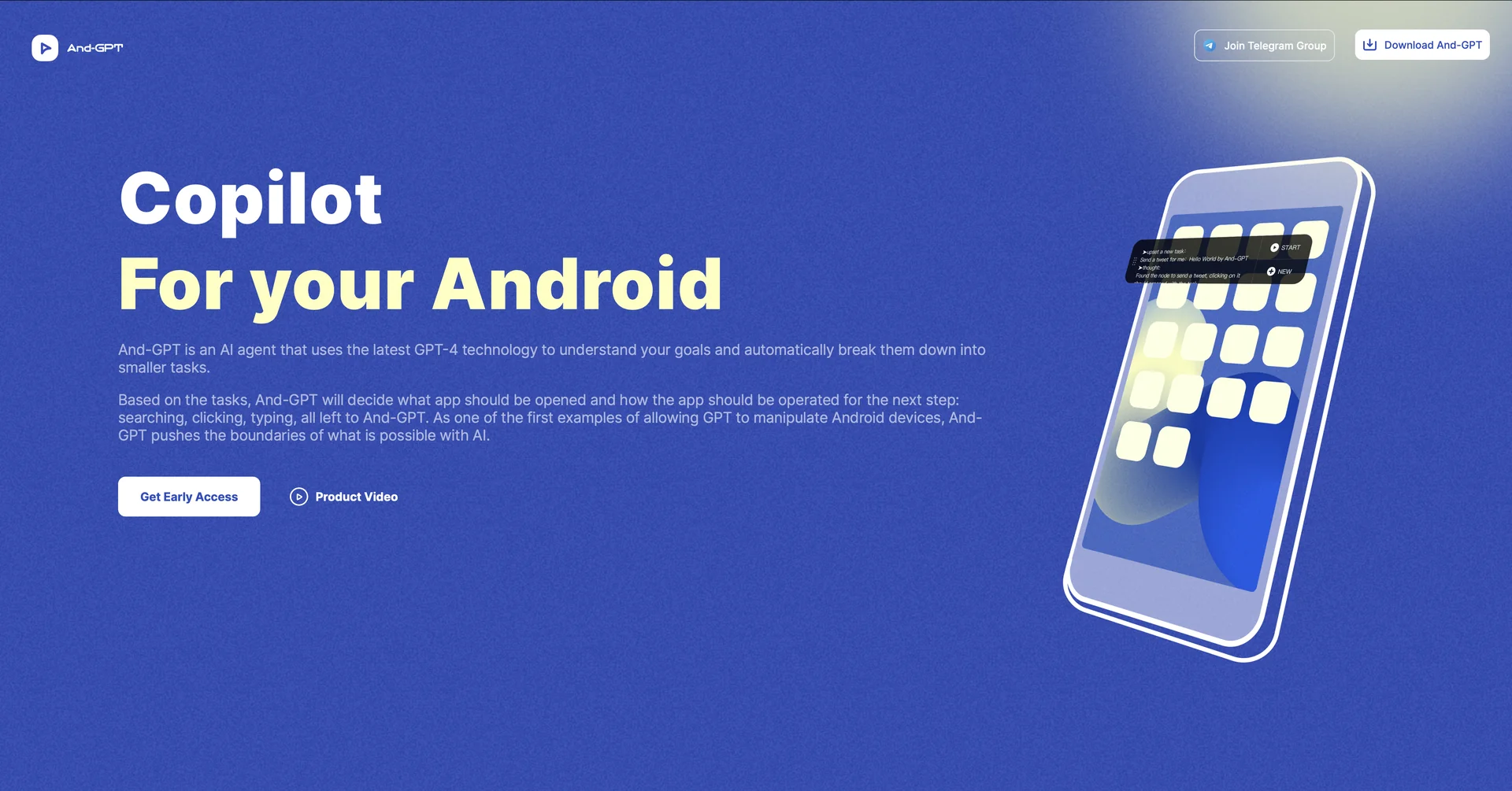
AI copilot for your Android: Automate tasks with GPT-4.
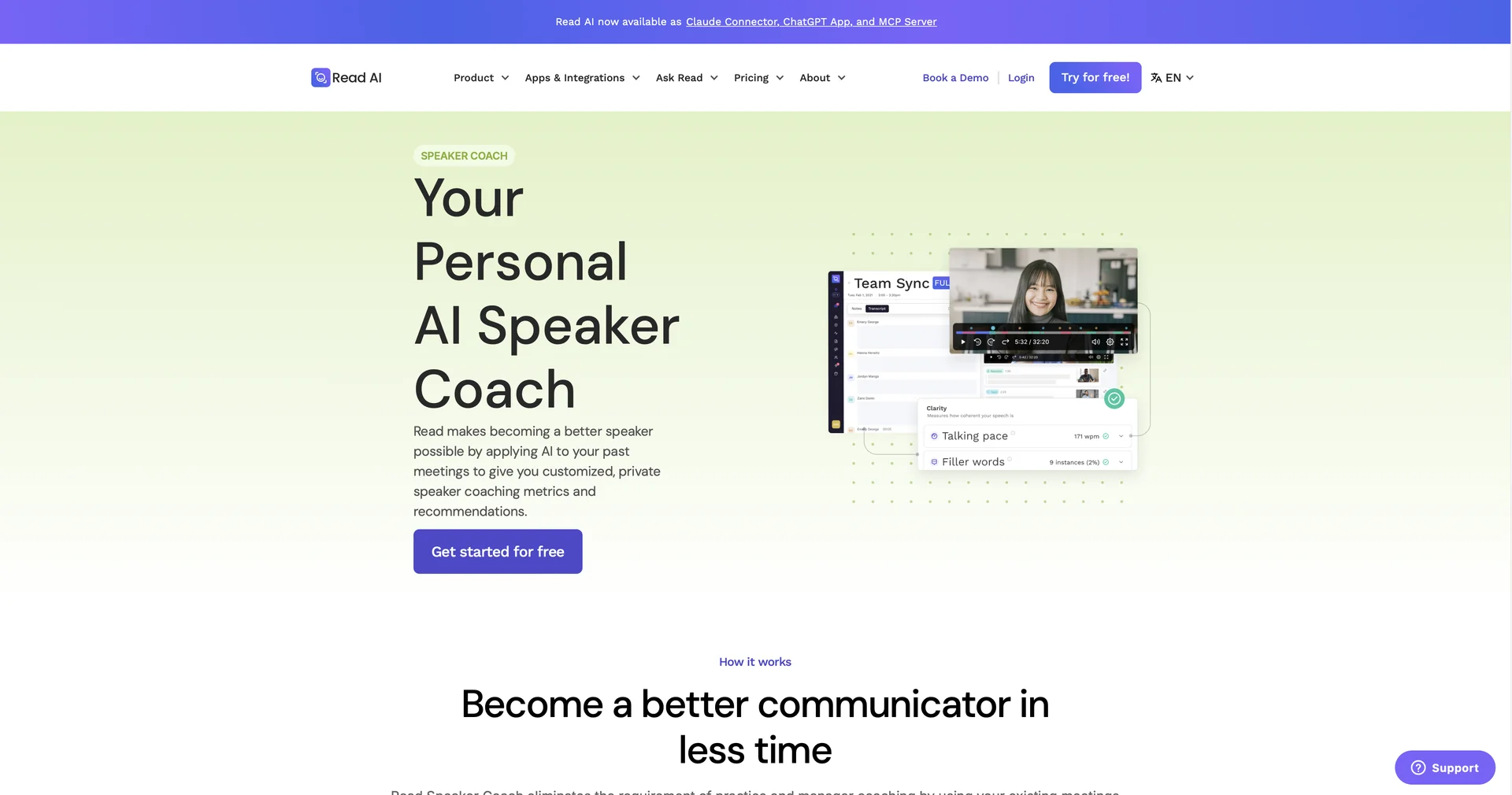
AI-powered speaker coaching for better presentations
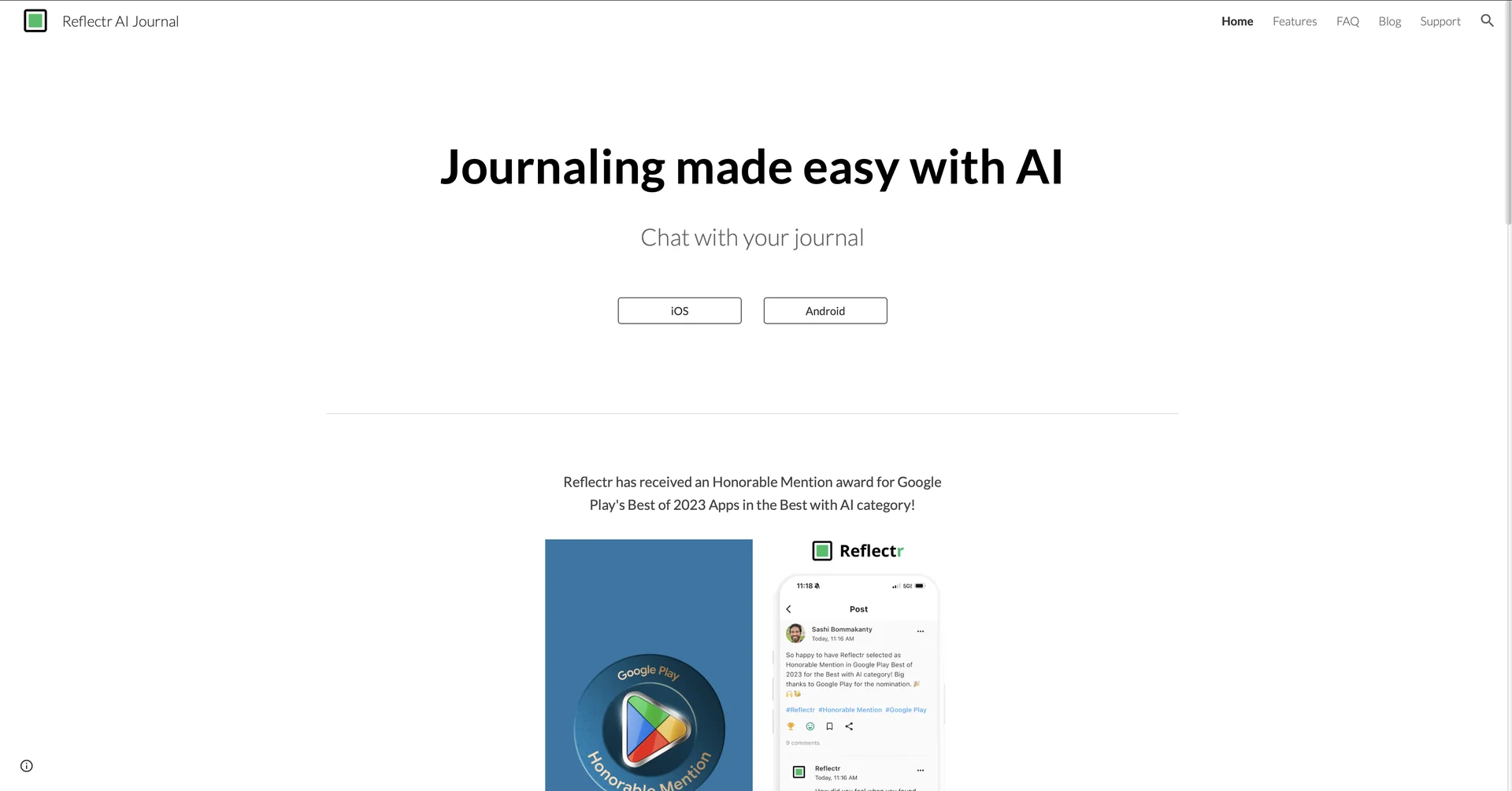
AI-powered notebook for decluttering your mind
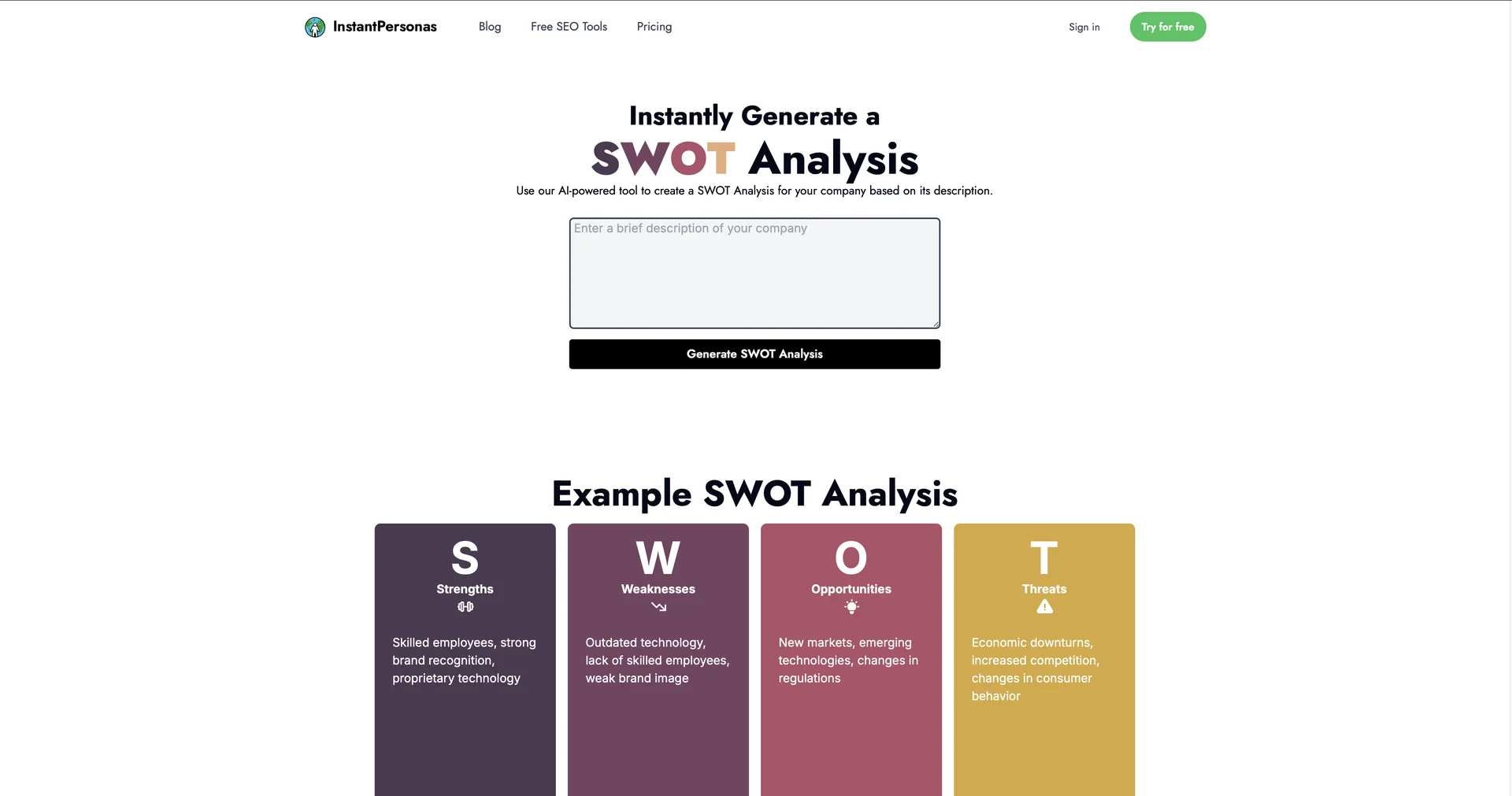
Instantly generate a SWOT Analysis with AI
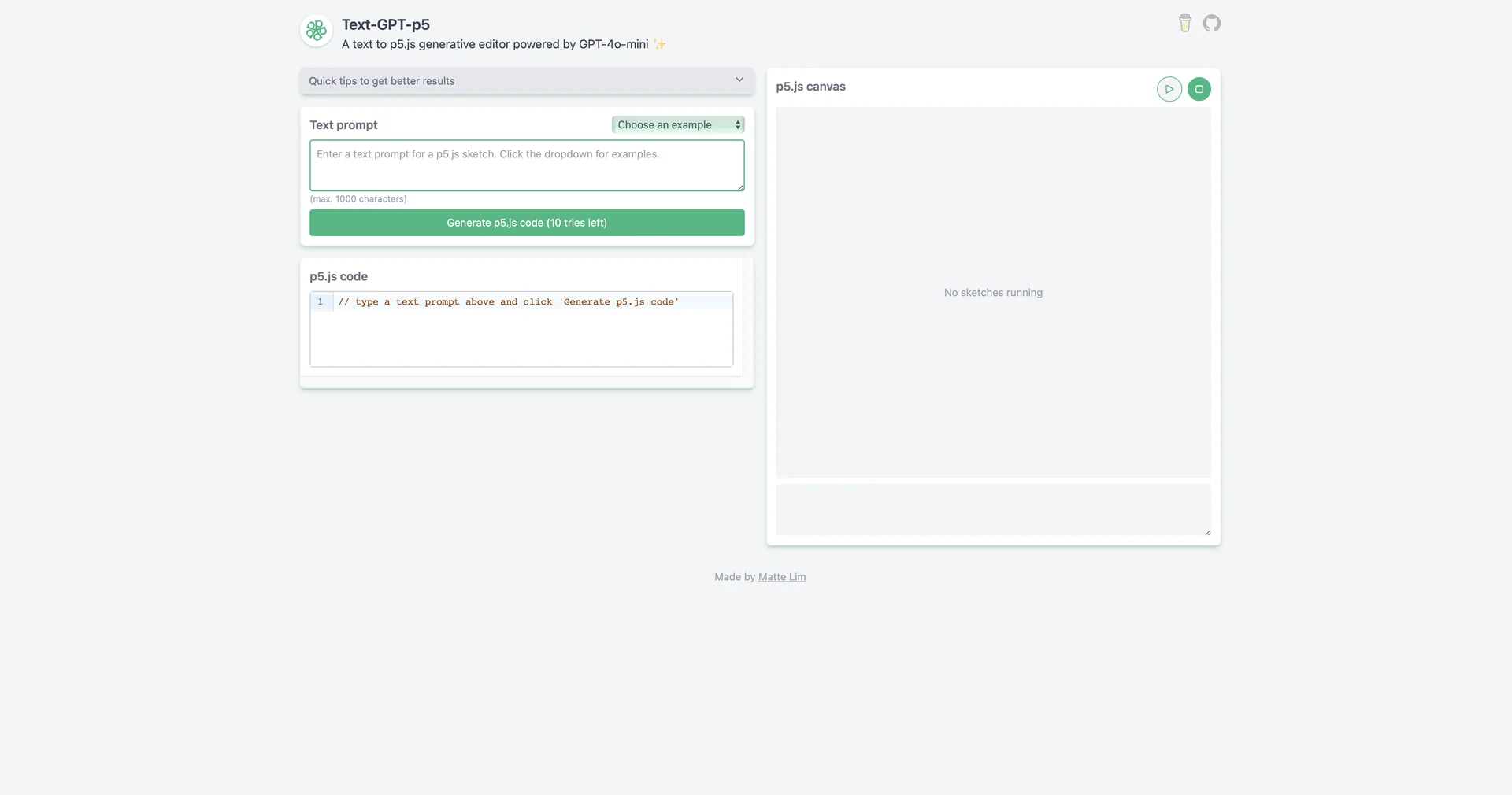
Turn text into p5.js code with GPT.
Voice-activated AI assistant unleashes AI power for all
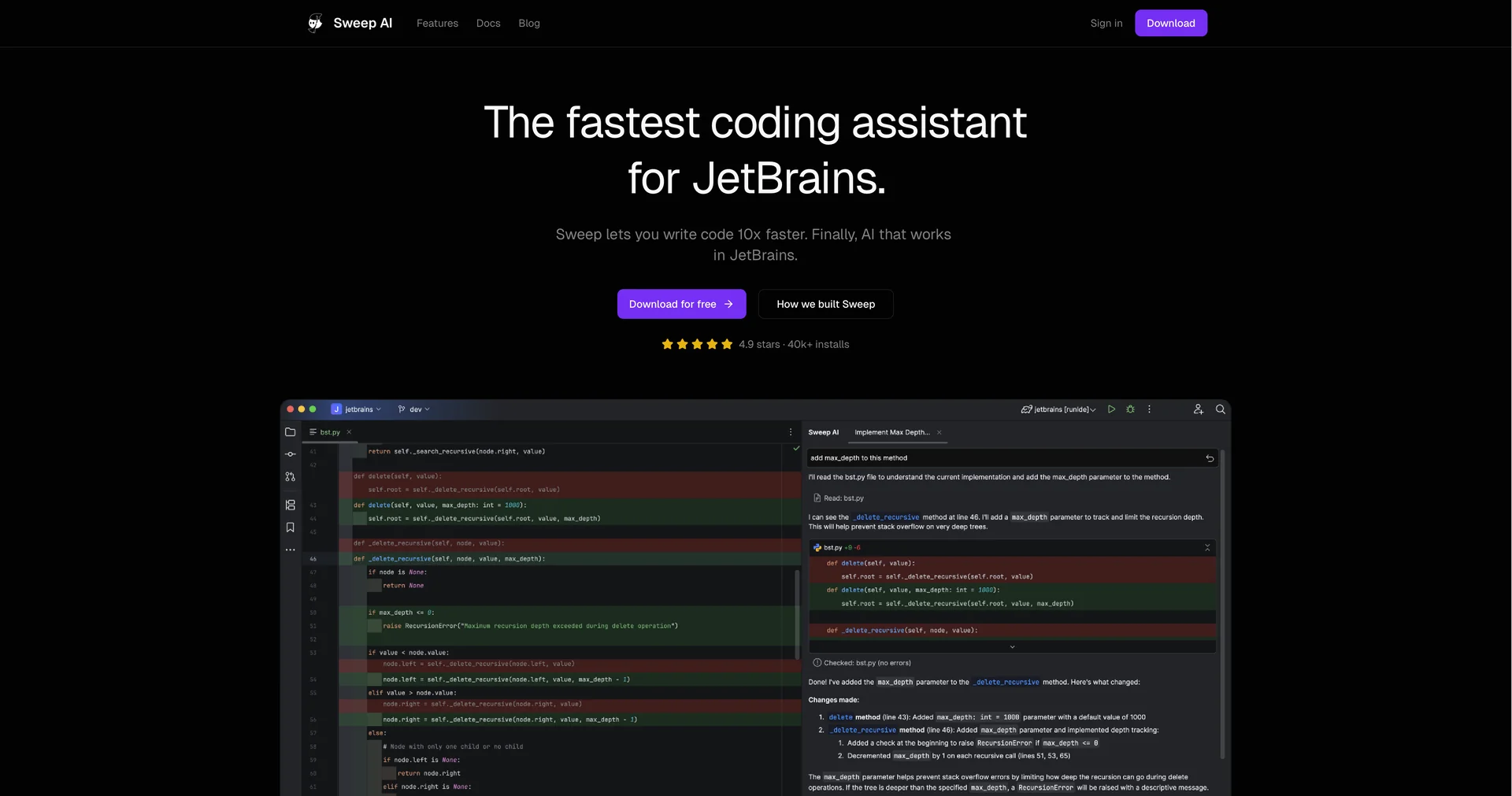
Turn GitHub issues into code changes instantly.
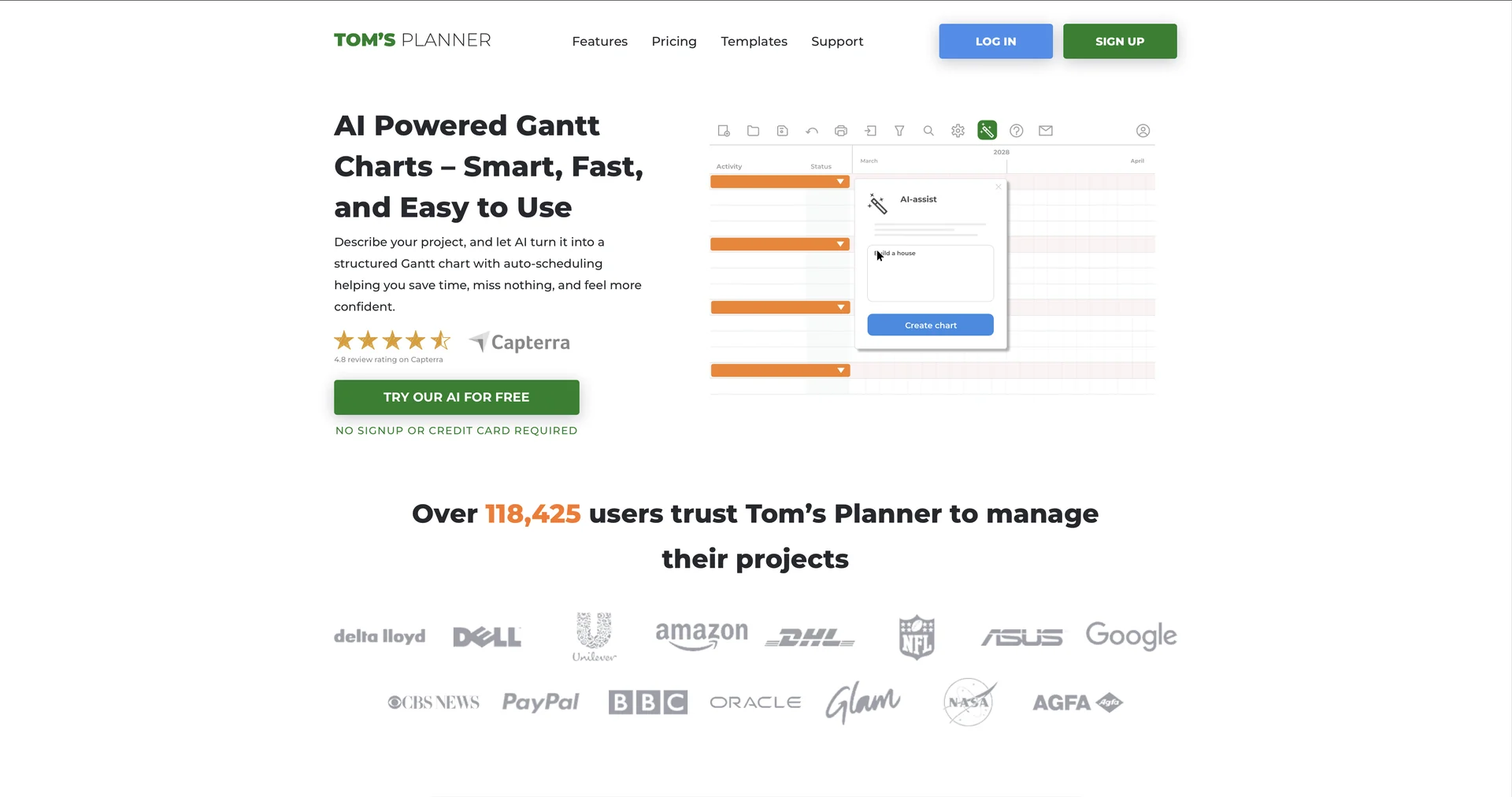
AI-powered Gantt charts in minutes.

Find genius gift ideas effortlessly
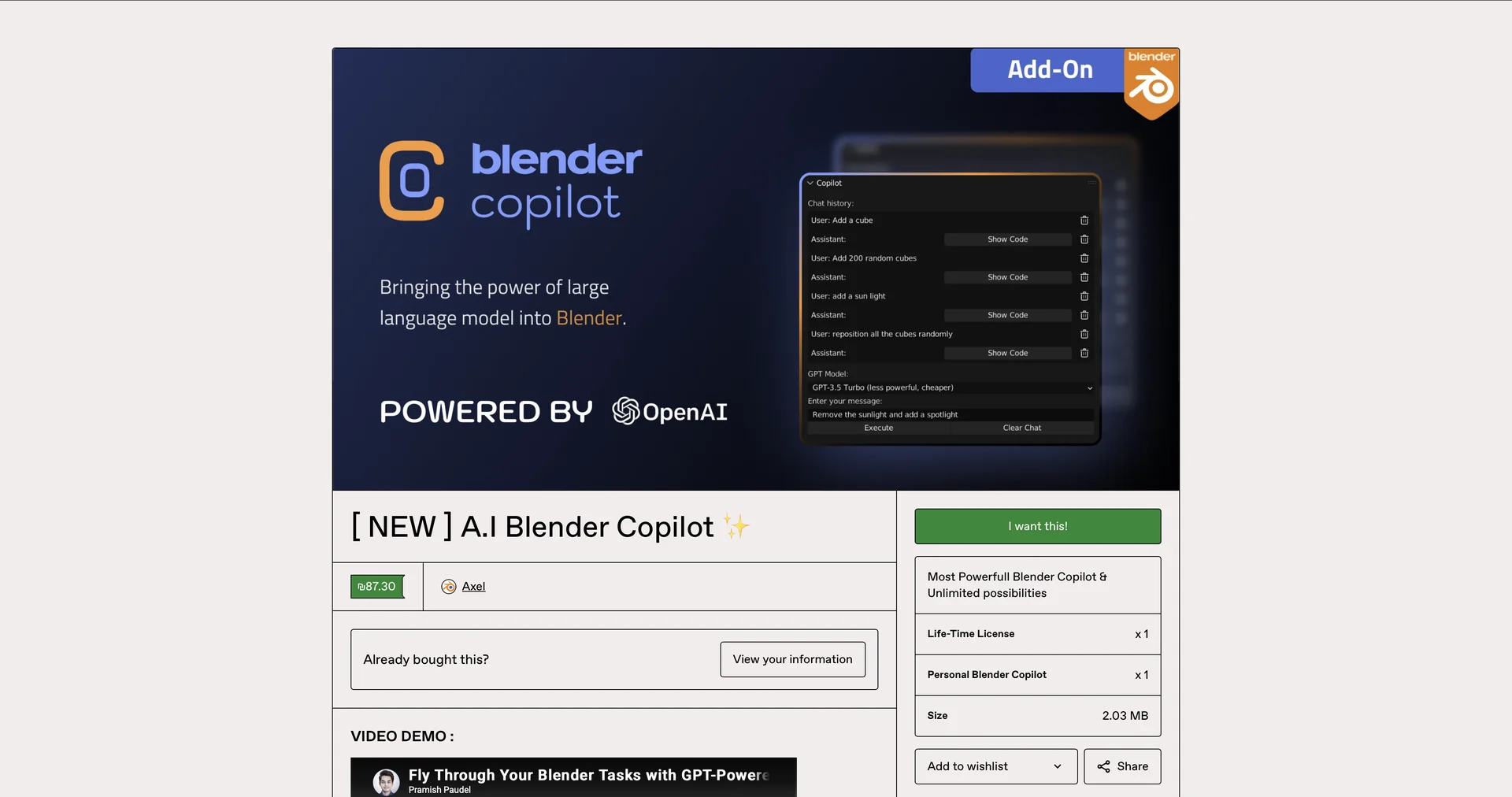
Unleash 3D creativity with AI-powered Blender assistance.
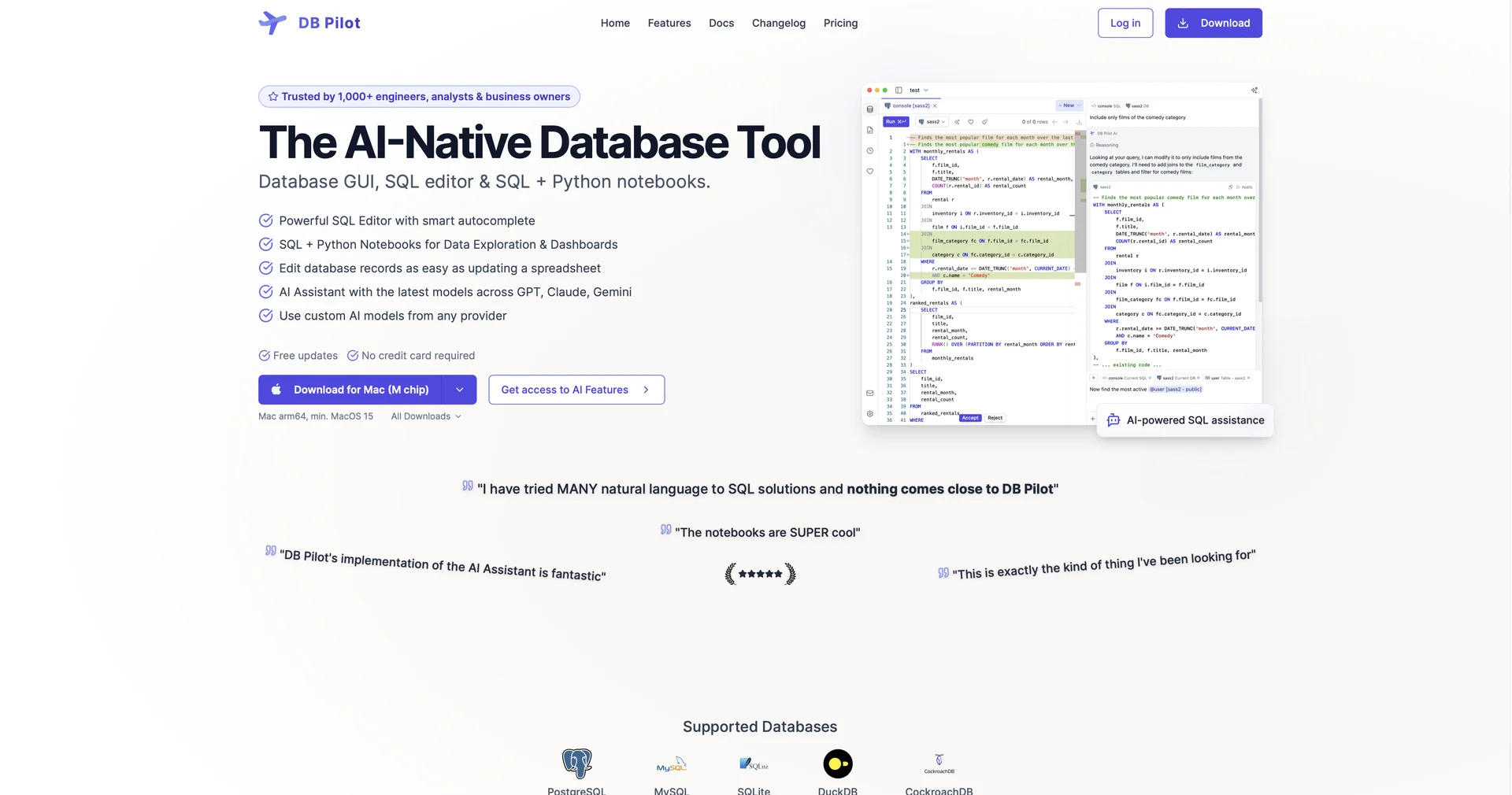
Beautiful database GUI with AI-powered assistance

AI writes 80% of your emails for you.
Generate visualizations from data using AI
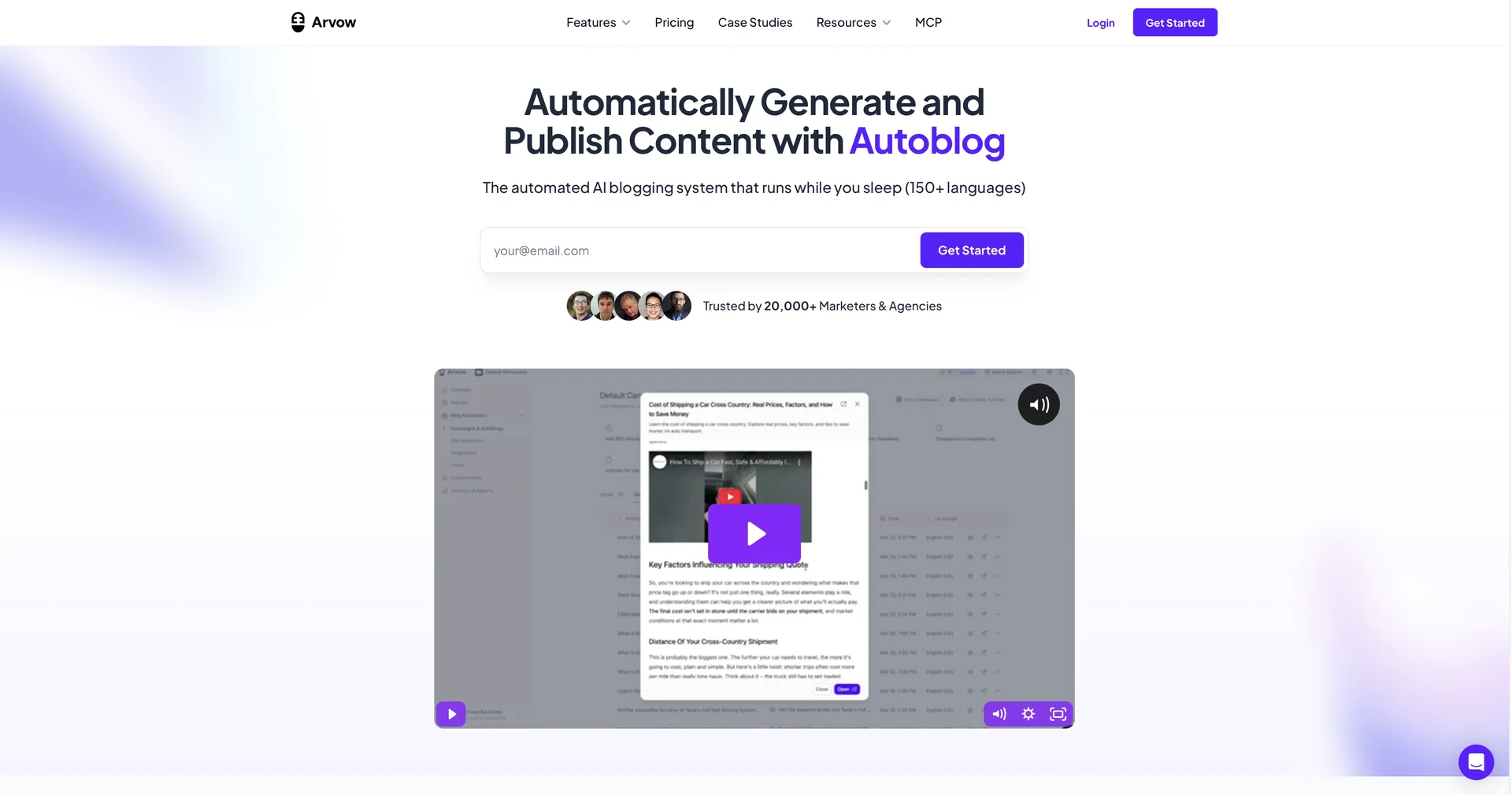
Create an automated AI blog in seconds