AI Bosala

العربية

Image Design and Creation

Tools in Image Design and Creation

1,547 tools

Filter and sort these tools

  1. Typeboss AI

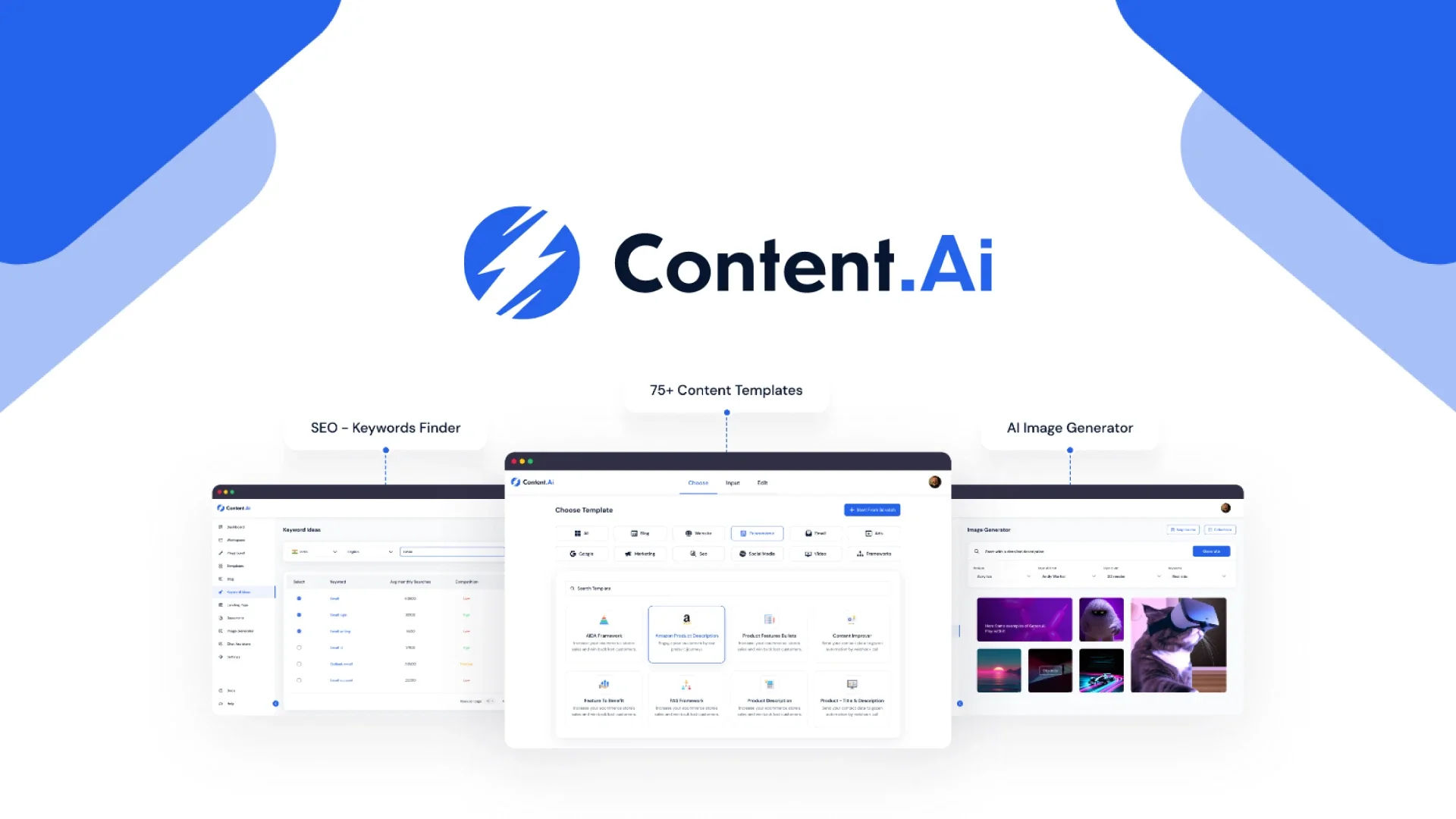
    Typeboss AI was an AI-powered content creation platform that allowed users to generate text, images, and multimedia content using pre-made templates and simple prompts. It supported the creation of articles, social media posts, marketing copy, product descriptions, voice-overs, speech-to-text conversion, and code generation. It also included tools such as AI Article Wizard, Smart Editor, AI Rewriter, AI File Chat, AI Image Generation, Text-to-Speech, Speech-to-Text, and AI Code Generator, in addition to more than 60 templates in older sources, while more recent sources mentioned more than 75 templates and over 179,000 ready-made prompts.

  2. Storywizard

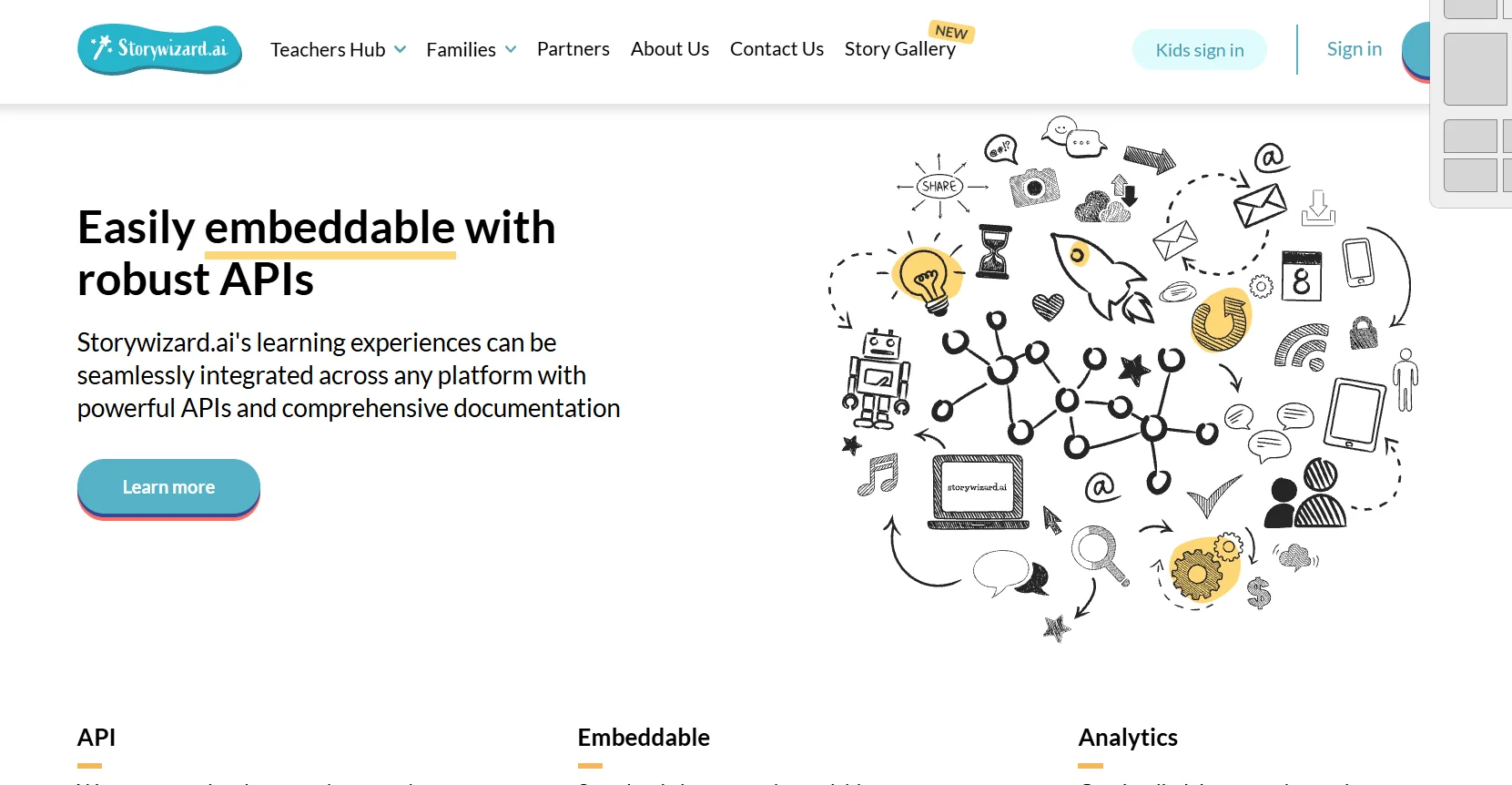
    Storywizard.ai is an AI-powered educational platform designed to create personalized and interactive learning experiences by connecting imagination with academic achievement, and empowering students to shape their own learning experiences. The platform is designed for schools, teachers, families, and students, and provides AI-powered teaching and assessment tools to create and track personalized reading and writing assignments, while giving students the freedom to create content that reflects their interests and imagination.

  3. GoZen Content AI

    GoZen Content.Ai is an AI-powered content creation platform that offers a unified solution for a wide range of writing and content creation needs, including SEO content, copywriting, emails, video scripts, and code generation. The platform states that it is trusted by more than 50,000 companies, with over 1,135 reviews and ratings of 5.0/5 on WordPress, 5.0/5 on Capterra, 4.7/5 on Google, and 5.0/5 on AllThingsAI.

  4. Hypotenuse AI

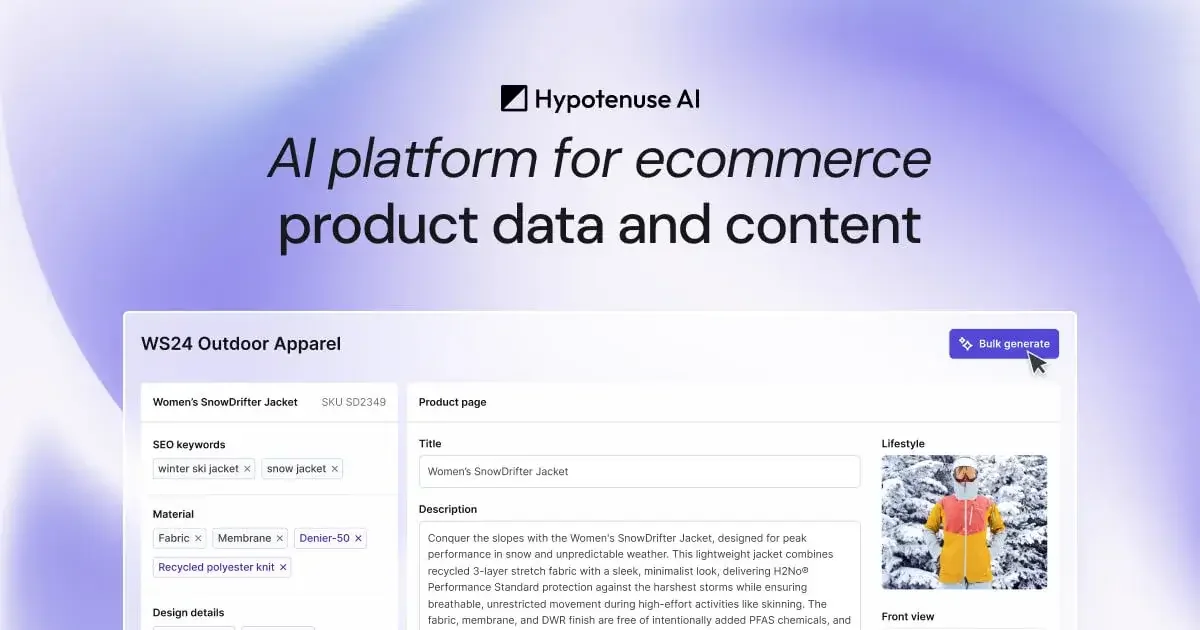
    Hypotenuse AI is an AI-powered product information management (PIM) platform for e-commerce designed to manage and enrich product data, create content, optimize images, and monitor product performance within a unified workflow. The platform enables the creation of thousands of search-engine-optimized product titles and descriptions that reflect the brand’s voice, and automatically enriches product data by filling in missing attributes and standardizing data using sources such as images, web pages, UPCs, and specification sheets, as well as extracting specifications, colors, and other product details from images; applying tags and classifications based on custom taxonomies or classifications compatible with Google and Amazon; and standardizing formats and correcting errors. It also enables content creation and optimization through product descriptions, titles, meta descriptions, category pages, blog posts, and more, with the ability to apply brand guidelines, custom formats, and localize and translate content into over 40 languages. The platform offers AI-powered product image optimization, including background replacement, background and shadow generation, cropping and resizing with smart fill, resolution enhancement, detail improvement, noise reduction, and the creation of product images within realistic contexts. It also enables monitoring of product page performance across Google, Amazon, Walmart, and others; keyword discovery and suggestions; and verification of content compliance with brand guidelines, legal requirements, and channel requirements prior to publication. The platform supports collaborative workflows, import and export via CSV and XLSX, direct publishing to websites and sales channels, and custom integrations with PIM, ERP, and e-commerce systems. It can be used as a central system for managing product content, attributes, and images for teams that do not use a PIM or DAM system, while teams that do use these systems can connect Hypotenuse AI to them to enrich data, create and verify content, and prepare images in a shared workspace. The platform notes that it imposes no fixed limit on the number of SKUs and works with retailers and distributors managing anywhere from a few thousand to millions of SKUs, with collaborative workflows designed to handle large catalogs. Its tools include HypoChat for instant web search, HypoArt for text-to-image conversion, and tools for summarization, rewriting, and content generation, as well as product content tools such as the Product Description Generator, Category Description Generator, Meta Title Generator, Meta Description Generator, and Product Image Description Generator, along with features like AI Product Tagging, AI Attribute Mapping, AI Bulk Translate, AI Brand Voice, Bulk Content Generation, Product Data Enrichment, Product Categorization, SEO Monitoring, and the AI PIM Solution. The platform also supports integrations with Webflow, WordPress, Wix, Shopify, Salsify, Amazon, Walmart, WooCommerce, Target, Stibo, BigCommerce, Plytix, and PIMcore.

  5. Talefy

    Talefy is an AI-powered platform for creating, reading, and playing interactive stories, where users can start with a simple idea or build an entire story world, create characters, plots, scenes, and chapters; set the tone, pacing, and chapter structure; and add plot twists and changes. The platform also allows users to create stories where events change based on the reader’s choices, with multiple paths and different endings, as well as the ability to read interactive stories created by other users. Talefy also offers a character image generator, and characters can be customized in terms of background, goals, relationships, speech patterns, and appearance. Available genres include fantasy, science fiction, romance, horror, thriller, comedy, and more.

  6. YouMind

    YouMind is a workspace and AI studio that combines learning and creativity, allowing users to start with a question, idea, or topic that interests them, and then save articles, videos, podcasts, and notes all in one place. It also allows users to ask questions, connect ideas, and explore different perspectives with the help of artificial intelligence to form a personal understanding that goes beyond mere summarization, and then transform what they’ve learned into articles, presentations, images, videos, and web pages, with the ability to refine drafts using AI. The platform includes Research, Write, Image, Slides, Video, and Webpage options; it also allows you to save and analyze files, webpages, videos, and podcasts, and to create articles, slides, images, webpages, audio, and video.

  7. Uncensored AI

    Uncensored AI is a multimedia AI platform that provides access to a range of AI models for conversation, generation, voice, media, and programming, as well as APIs. It allows users to ask questions, explore ideas, role-play, solve problems, and be entertained, as well as receive, create, and retrieve media—including media generated or retrieved from the web—conduct real-time information searches, and engage in voice interactions. Its capabilities include advanced conversational models, instant web search, voice interaction, Code Mode, AI-powered predictive input, and vision models for multimedia processing. It also provides an image generator based on in-house models and Flux.1 models, allows users to compare more than 50 models, and offers an API for developers. According to the official website, available models include Claude, DeepSeek, Gemini, GPT, Grok, Kimi, Qwen, GLM, MiniMax, and others, with the selection continuously updated. The platform was first launched in beta in December 2022.

  8. InteriorLab.ai

    According to its official page, InteriorLab.ai is not currently an interior design tool available for use, but rather a domain name listed for sale on the Atom platform. The listing describes the domain as suitable for a project or startup that could utilize artificial intelligence in the field of interior design, and lists potential uses such as designing interior spaces, virtual room design, color consulting, optimizing space utilization, furniture layout planning, and personalized decor suggestions, in addition to virtual reality and smart home applications.

  9. Anakin.ai

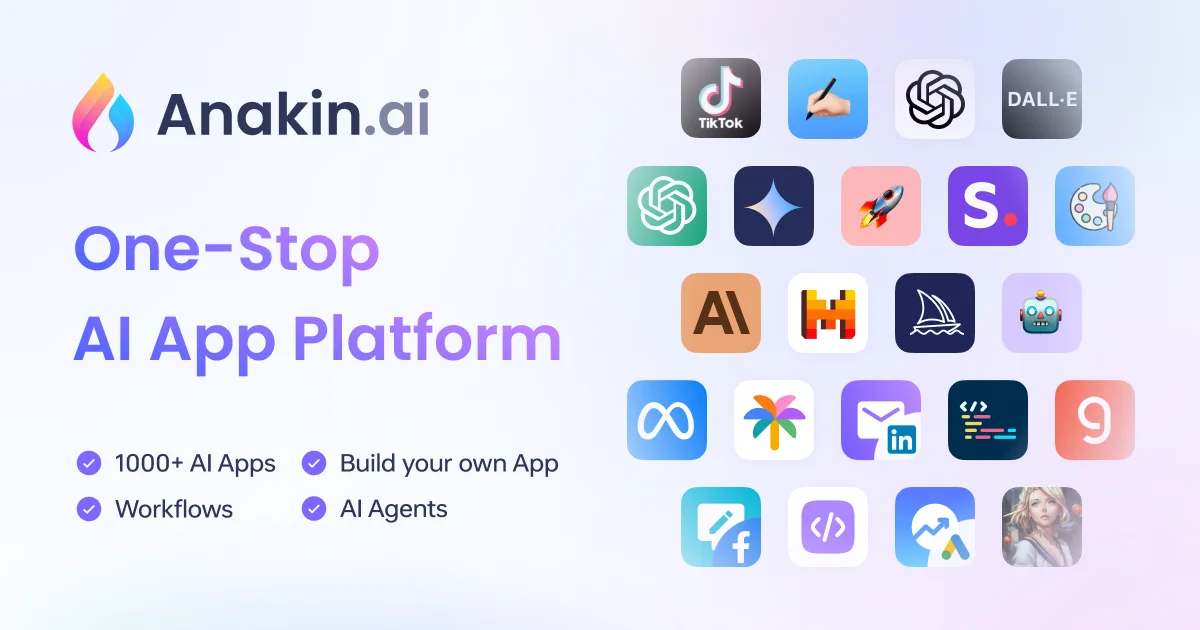
    Anakin is an integrated AI platform designed to boost productivity by bringing together a wide range of AI models, tools, and applications in one place. The platform enables content creation, text writing, Q&A, and the generation of images, videos, and audio, as well as intelligent agents, automated workflows, and custom AI applications—all without requiring specialized expertise. The platform provides access to models such as OpenAI, Claude, DeepSeek, Stable Diffusion, DALL·E, Gemini, Mistral, and Meta Llama.

  10. Deep Realms

    Deep Realms offers an AI-powered writing and storytelling platform that allows users to create and explore characters, narratives, and worlds using an AI writer. Users can create worlds that include story text and “World Lore”—a collection of facts, rules, and descriptions that help the AI maintain the context of the world the user has created.

  11. Book Witch

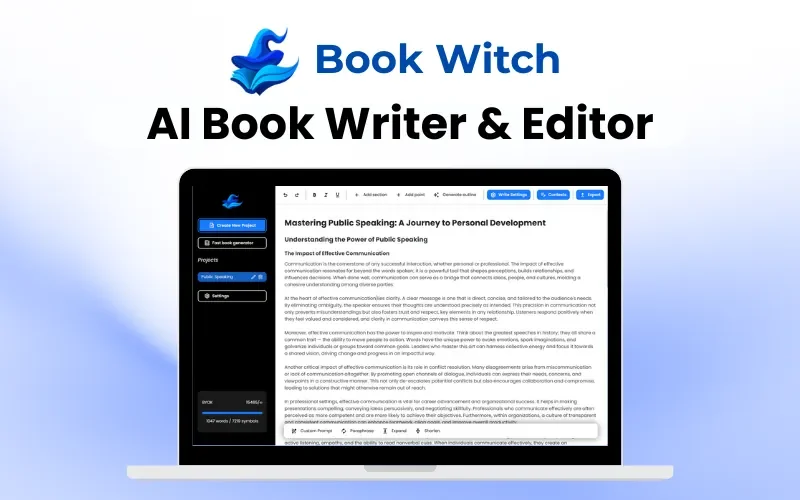
    BookWitch offers an AI-powered writing studio designed for novelists, focusing on keeping the novel’s characters, plot, style, and context in the project’s memory and utilizing them during the writing, generation, and editing processes. The platform features a Story Bible where you can define characters, locations, factions, and objects once, and this information is then automatically used during the generation process. It links names as you write and allows you to hover over any entity to view its information without leaving the page.

  12. Strut

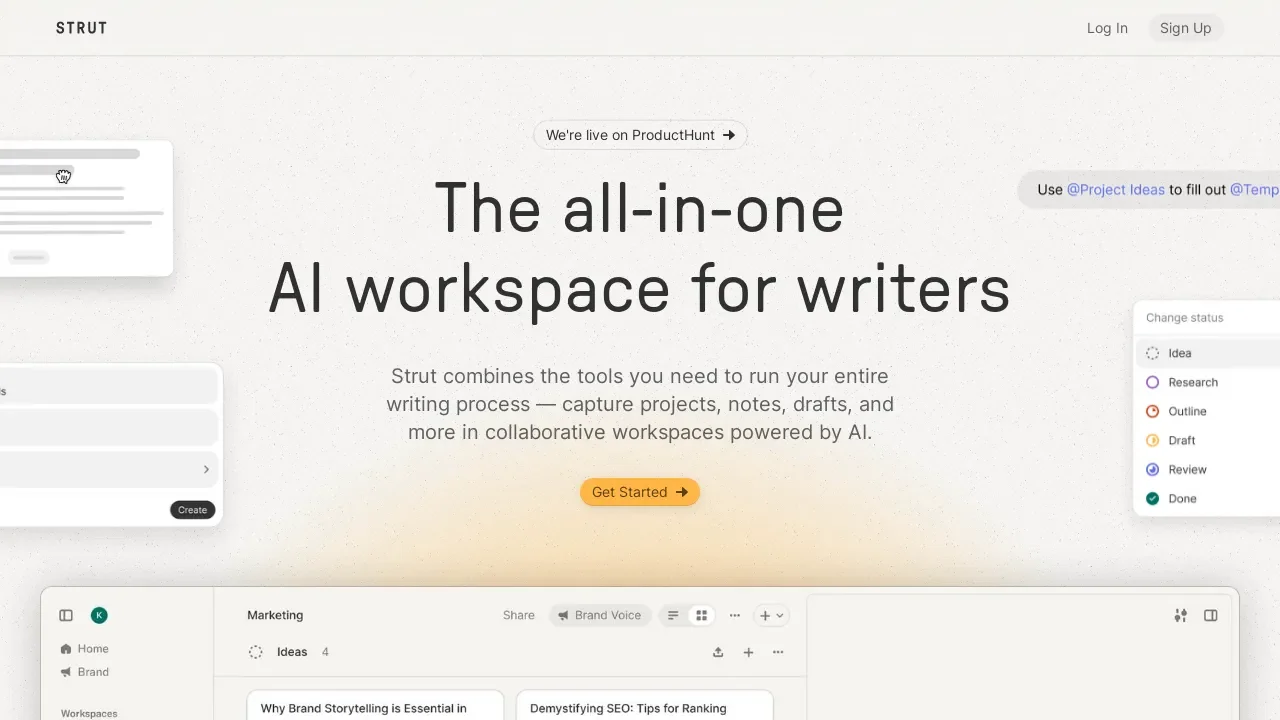
    Strut positions itself as an AI-powered workspace and notebook, designed to create, expand, and organize long-form written work—such as articles, reports, research papers, and manuscripts—starting from the user’s initial notes. The platform brings together initial notes, developed sections, structure, and the full draft within a single workspace. The process begins with capturing notes, ideas, quotes, and questions, then developing them by expanding on ideas and linking them to relevant content, followed by organizing the material into an outline, sections, or chapters while preserving the context of the sources, leading up to writing the complete draft and revising it using context-aware artificial intelligence that follows the user’s guidelines.

  13. Anky.AI

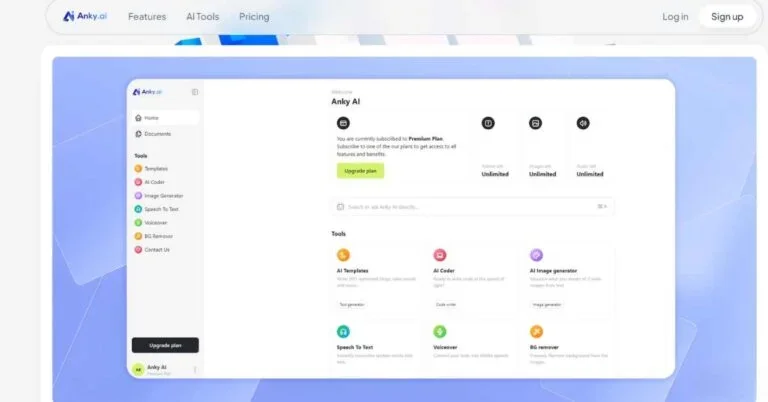
    Anky AI positions itself as a comprehensive AI tool that combines multiple models and services into a single platform, including GPT-4o, GPT-4, GPT-3.5 Turbo, and Claude, as well as ElevenLabs Powered Voiceover, Voice Isolation, and AI-powered image generation. The platform allows users to access multiple conversational AI models in one place and offers a writing assistant with over 130+ templates for blog posts, emails, tweets, comments, and more, as well as AI Coder for generating code and software solutions, Audio Transcriber for converting audio to text, and the Voiceovers feature, which offers over 100 voices in regional and international accents, powered by ElevenLabs. It also offers a Content Classifier to categorize content as “Safe” or “Harmful,” and provides AI-powered image generation with multiple styles and dimensions, along with the ability to generate an unlimited number of images under plans that include this feature.

  14. Pics.io

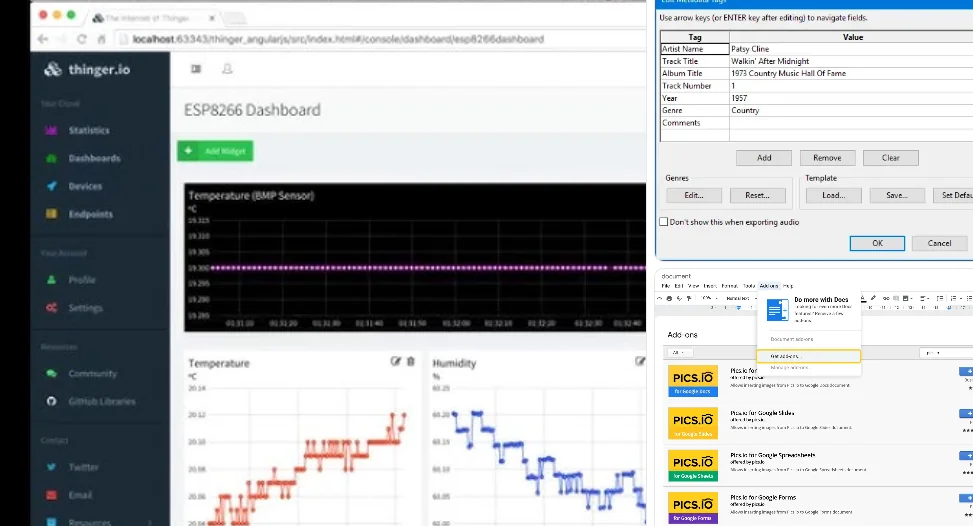
    Pics.io is an advanced digital asset management platform (Digital Asset Management – DAM) that brings together images, videos, audio files, documents, and design files into a central library, helping teams find, organize, manage, and share digital assets. The platform can integrate with Google Drive and Amazon S3, allowing companies to use their existing storage infrastructure instead of relying on the platform’s proprietary storage. Pics.io offers advanced search and natural-language search, filters, a folder tree, and previews for more than 236 file types, as well as the ability to save recurring searches, as well as version management—enabling users to replace one asset with another while preserving existing links, visually compare versions, lock approved assets, set expiration dates, and maintain a complete audit trail of changes with the ability to revert. It also provides Approval Workflows and Commenting for reviewing designs and files, with comments on images and videos, time-stamped comments, mentions of team members, and notifications via email and Slack, as well as “Approve” and “Request Changes” statuses and due dates. Sharing Portals provide branded sharing portals, the ability to automatically convert files upon download to the required sizes and formats, public or password-protected portals, and links with expiration dates and terms of use. It also includes Expiration + Analytics for managing asset usage rights, automatically deactivating links and portals when rights expire, sending alerts, and providing audit trails and bulk cleanup of expired files. Inbox Portals allows you to collect files from contributors via upload links without requiring an account, while enforcing metadata fields such as tags, rights, and campaign, and automatically routing files to groups and owners. It also includes Roles + Permissions to manage viewing, editing, and sharing permissions, as well as apps and integrations with Google Drive, Amazon S3, Dropbox, Figma, Slack, Salesforce, HubSpot, Zoho, Adobe Creative Cloud, Zapier, Google Workspace, Monday.com, ClickUp, Trello, Shopify, and WordPress.

  15. Decory AI

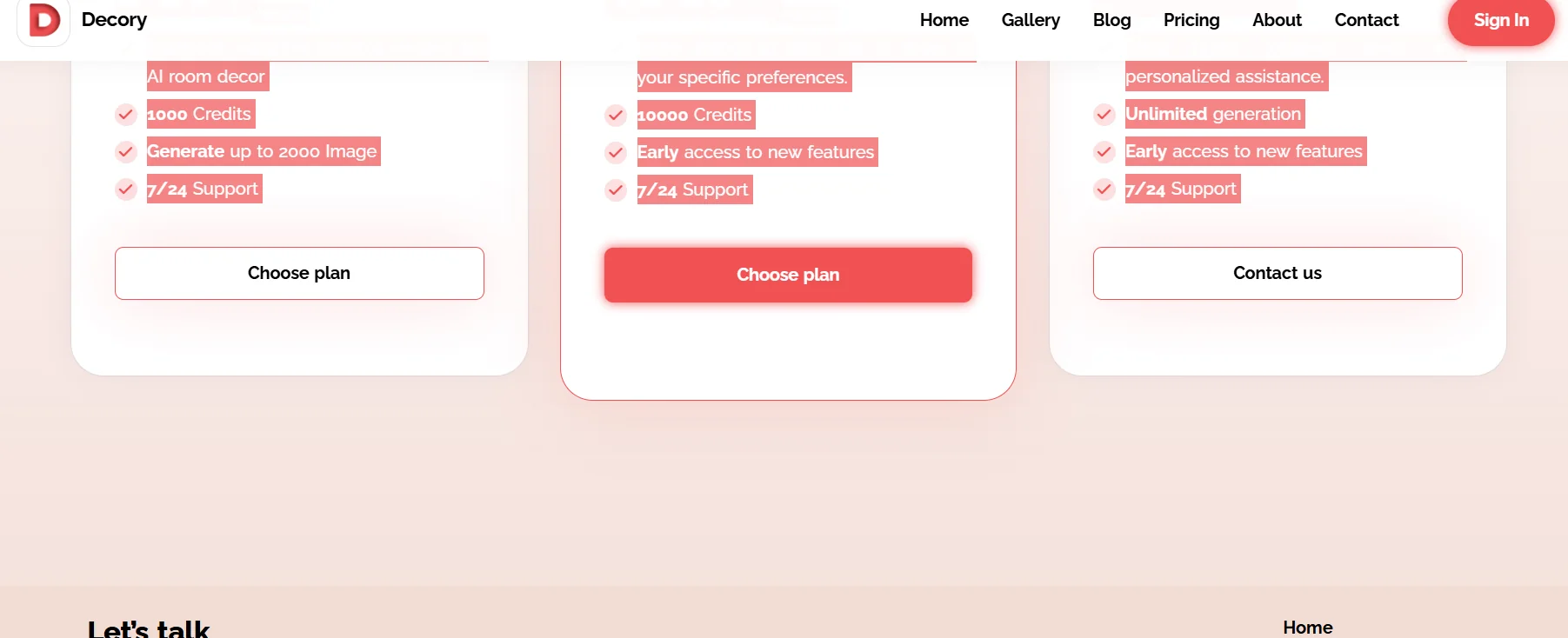
    Decory AI is a very recent tool in the field of interior design, announced about five days ago, making it one of the newest options available to users. The tool allows for intelligent room planning, with the ability to design, edit, and share interior room layouts easily and quickly. An important feature is that it supports the Arabic language and provides an Arabic user-friendly interface, and is available for download on iOS and Android systems, with a free version and paid subscription options. The tool also allows you to edit a specific part of the room, such as a specific wall or corner, without having to redesign the entire space, which makes it suitable for users who want quick and accurate edits. Why do I recommend it? Because it's new compared to other options, giving you the opportunity to take advantage of updated technologies, supports Arabic, and focuses on smart interior design rather than simple decorating, making it suitable for professional designers or personal use. Notes before you get started: Due to its recent launch, you may experience some limitations or bugs, so it's recommended to try the free version first. It is also advisable to check subscriptions and costs if professional or commercial use, try uploading an image of your real room to test the responsiveness of the tool, and check the export options or save the design in a format that can be implemented later (such as a plan or a high-quality image).

  16. AI Image to Caption Generator

    Image Caption Generator is a free online tool that uses artificial intelligence to generate captions based on images. It analyzes the image itself rather than relying on a description written by the user, then generates several suggestions from which you can choose the most appropriate one and copy it. It allows you to upload images in PNG, JPG, GIF, and HEIC formats; select the appropriate tone for the content; add optional contextual information to improve understanding of the image; and then choose the language and generate captions. Available tones include Social, Blog, Alt Text, Funny, and Professional, with the option to select additional tones. The platform explains that the tool relies on AI and computer vision technologies to understand image details and generate appropriate captions. It can be used for social media posts on platforms like Instagram, Facebook, and Twitter; blog content; e-commerce product descriptions; creating alt text to improve accessibility and SEO; educational materials; and generating more descriptive and relevant filenames for image content. The tool also includes features for incorporating keywords into captions to help improve the discoverability of images through search engines.

  17. Writeseed

    Writeseed is a comprehensive AI platform for content creation designed to increase traffic and visibility. It allows users to write original content in their own voice and style, as well as to write, design, and schedule posts all in one place. The platform offers the ability to create an SEO Framework, and allows users to train its AI by uploading their own text or providing a link to their website, so that the trained AI becomes available across all templates to generate content that matches the user’s style. Writeseed brings together a range of leading AI models within a single platform, including GPT-5, Gemini, Claude, Llama, and others, It also offers a Chrome extension that lets users access AI directly from their browser in places like Gmail and WordPress, along with a smart Chrome extension that enables ChatGPT to follow the user across the web. The platform includes an SEO & NLP Editor that tracks key search engine optimization metrics while creating content and helps optimize it using NLP terminology, It also enables the creation of articles optimized to appear in search results or prompts on ChatGPT, Gemini, and Perplexity, as well as the generation of AI-generated images and LinkedIn posts. It also includes other tools for writing, rewriting, summarizing, proofreading, plagiarism checking, detecting AI-generated text, research, idea generation, note-taking, and study planning, and offers more than 100 standard templates as part of the Growth plan. The platform is currently announcing unlimited use of GPT Image 2 and Claude Sonnet 4.6. Writeseed also displays user ratings and reviews, noting that there are more than 113 reviews on Capterra and a 98% satisfaction rate based on more than 600 verified reviews.

  18. GPT Mate

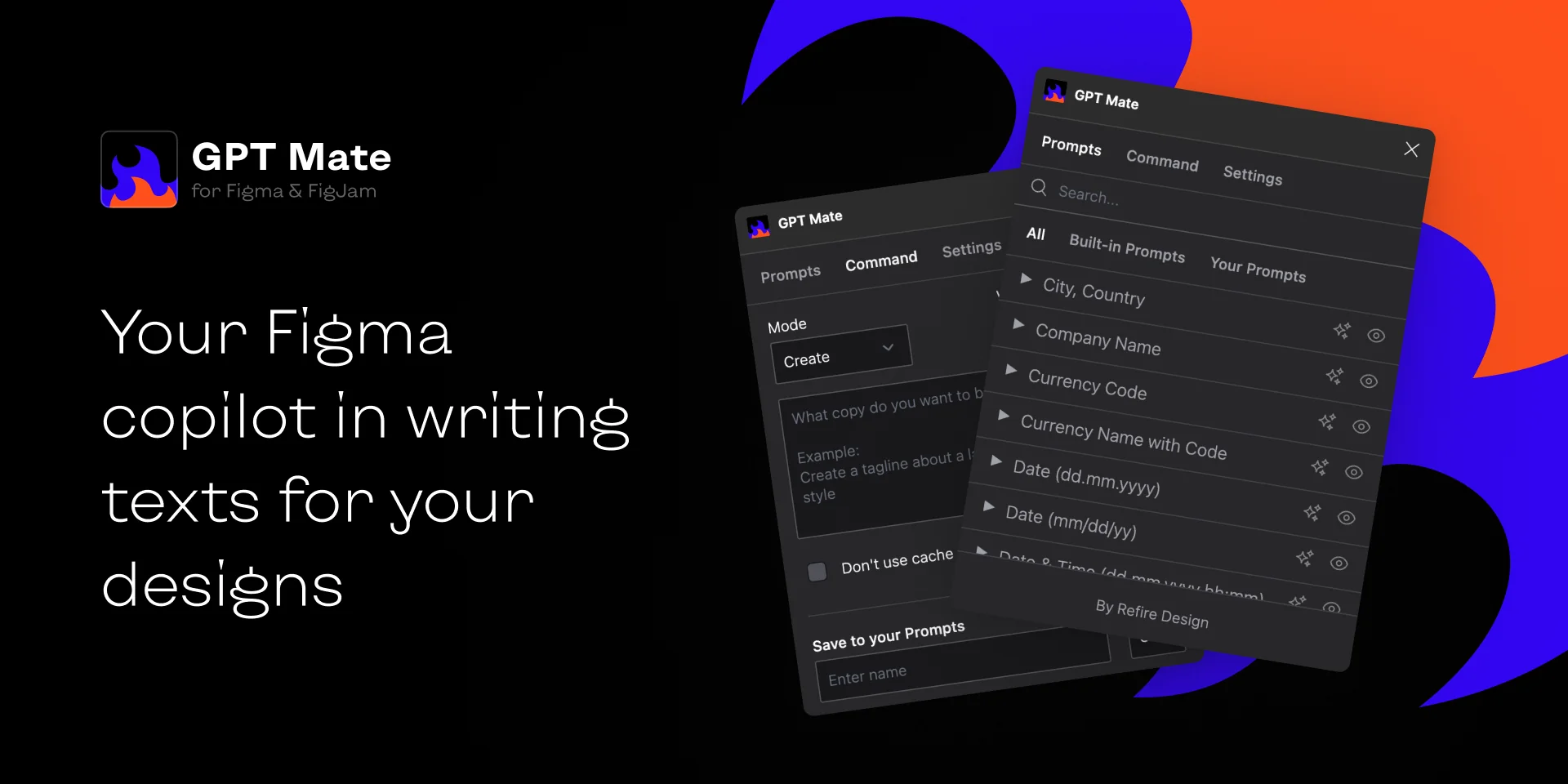
    The Figma Community features an extensive library of community-created resources, including files, libraries, plugins, icon sets, and more, with the ability to search for resources such as portfolios. It also offers Skills—reusable instructions for the Figma Agent that help speed up work—allowing you to browse skills created by the community or publish new ones, including “document-component-migration” by Brett McMillin with counts of 70 and 70, “balise-ux-writing” by Steven H-A with 172 and 326, “catch-me-up” by Cai Charniga with 46 and 154, “camera-pan-and-zoom” by the Figma Community with 155 and 301, and “usability-test-guide” by the Figma Community with 419 and 723 views, and “create-anatomy” by Ian Guisard with 211 and 390 views. Figma Make also allows you to create apps, websites, and prototypes that can be remixed using prompts; examples include Fortune Cookie! From Da Wei, which is free with 3.7k and 23.9k views; “Interactive Eye-Following Card” by Thierry, which is free with 8.5k and 37k views; “Shader Reminder” by Daniela Muntyan, which is free with 7k and 26.3k views; “Button effect” by Soundharya M, which is free with 3.8k and 19k views, and “Minimalist sidebar component” by Joshua Guo, which is free with 2.6k and 58.9k views; and “3D ASCII Model Viewer” by Daniel Destefanis, which is free with 2.3k and 13.7k views. It also offers Figma Weave, a suite of AI-powered tools that can be run within Figma to generate, edit, and automate creative work, including “Texturize” with 74 and 6.4k views, On-brand icons with 70 and 5.3k, Generate mockup with 44 and 5.1k, Sticker pack with 31 and 4.9k, Grainy airbrush with 50 and 4.9k, and “Image to vector” with 41 and 4.7k, "Monochrome pixel art" with 36 and 4.6k, "Transfer style" with 17 and 3.8k, "Product shoot" with 19 and 3.1k, and "Stamp machine" with 28 and 2.9k. The platform also showcases a selection of its favorite content creators, including Miggi from Figgi, associated with Data Mosh Shader and Maker Week Beat Maker; Adanna O. who is associated with “Free Shadow Icons,” Daniela Muntyan, associated with “Config 26 Motion Deep Dive Examples” and “Ripple Effect Prototype,” ˗ˏˋ rogie ˎˊ˗, associated with “Dither yourself” and “Clippy — Add attachments to your Figma files!”, and Bruno, associated with “Implementing Accessibility in Design Systems — EDIT & IxDA Meetup” and “What’s in a Portfolio — 101 Booklet,” and Vic, associated with “Component Properties (Case Study)” and “Bead patterns.” Figma also features partners from resource providers, including Apple, which showcases macOS 27 and iOS and iPadOS 27; Material Design, which showcases Slots Playground and Personalized theme and brand with Material 3; and Microsoft, which showcases Measurements and Microsoft Store Asset Guidance.

  19. Phrasly AI

    Phrasly is an AI-powered writing and editing platform that combines content creation, rewriting, optimization, and proofreading, with a particular focus on making AI-generated text sound more natural while preserving the writer’s intended meaning and overall style. The platform offers Phrasly Pages as a document editor that brings writing tools together in one place, along with AI Humanizer & Paraphraser for rephrasing text, AI Writer / Content Generator for creating new content, AI Detector for analyzing the likelihood that a text was generated by AI, and Plagiarism Checker for checking for similarity and plagiarism, in addition to Translator, Thesis Generator, and other tools. Phrasly reports that it has more than 3 million students and writers using its tools.