
Qbiq
Streamline data analysis with real-time insights and predictive analytics.
329 tools
Streamline data analysis with real-time insights and predictive analytics.

Enhance product images with AI-generated marketing visuals.

Transform images into customizable e-commerce products instantly.

Revolutionize product photography with AI: enhance, edit, and monetize images effortlessly.
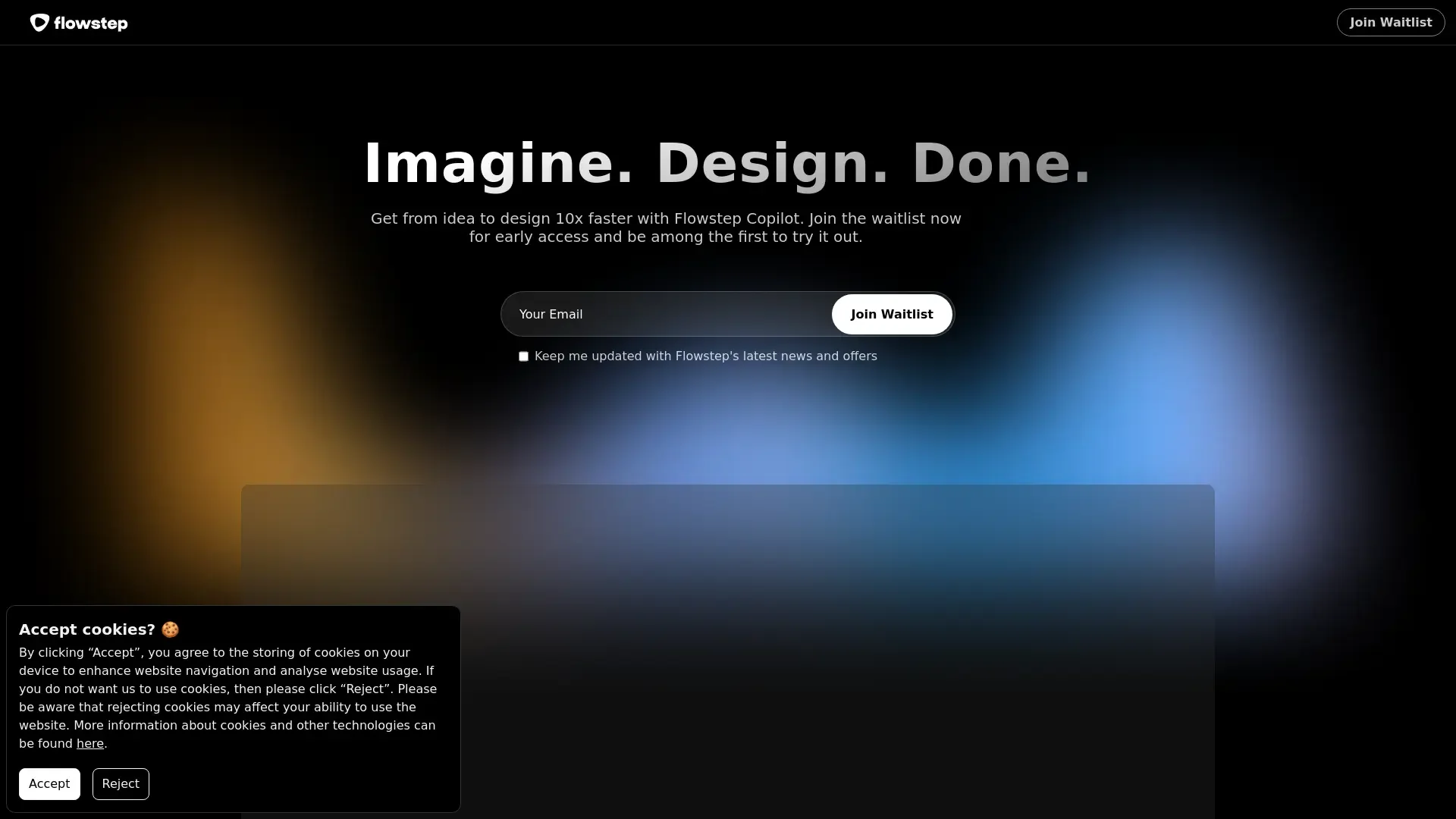
Flowstep is a design platform specifically for code agents. It functions as a design canvas that can be integrated with agents already used by developers, such as Cursor, Claude Code, Windsurf, and Codex, as well as any agent that supports MCP. The platform enables visual iteration on the codebase and allows project components to be imported into the design canvas, so that the agent can locate existing components and display them visually. For example, an agent can locate a file such as checkout.tsx and display the checkout page on the canvas.

Mobirise AI Website Builder is a tool for creating websites using artificial intelligence, allowing users to build websites based on their descriptions and needs. It can be used to create various types of websites and pages, including corporate and service websites, online stores, restaurants, blogs, schools, real estate sites, construction sites, cafes, pet websites, sports websites, landing pages, booking sites, gaming sites, and more.

According to its official page, InteriorLab.ai is not currently an interior design tool available for use, but rather a domain name listed for sale on the Atom platform. The listing describes the domain as suitable for a project or startup that could utilize artificial intelligence in the field of interior design, and lists potential uses such as designing interior spaces, virtual room design, color consulting, optimizing space utilization, furniture layout planning, and personalized decor suggestions, in addition to virtual reality and smart home applications.

Bimbeats is an analytics platform for architecture, interior design and engineering firms (AEC - Architecture, Engineering, Construction) that provides dashboards and analytical interactions to track performance, workflow, model quality, tool usage, and more.
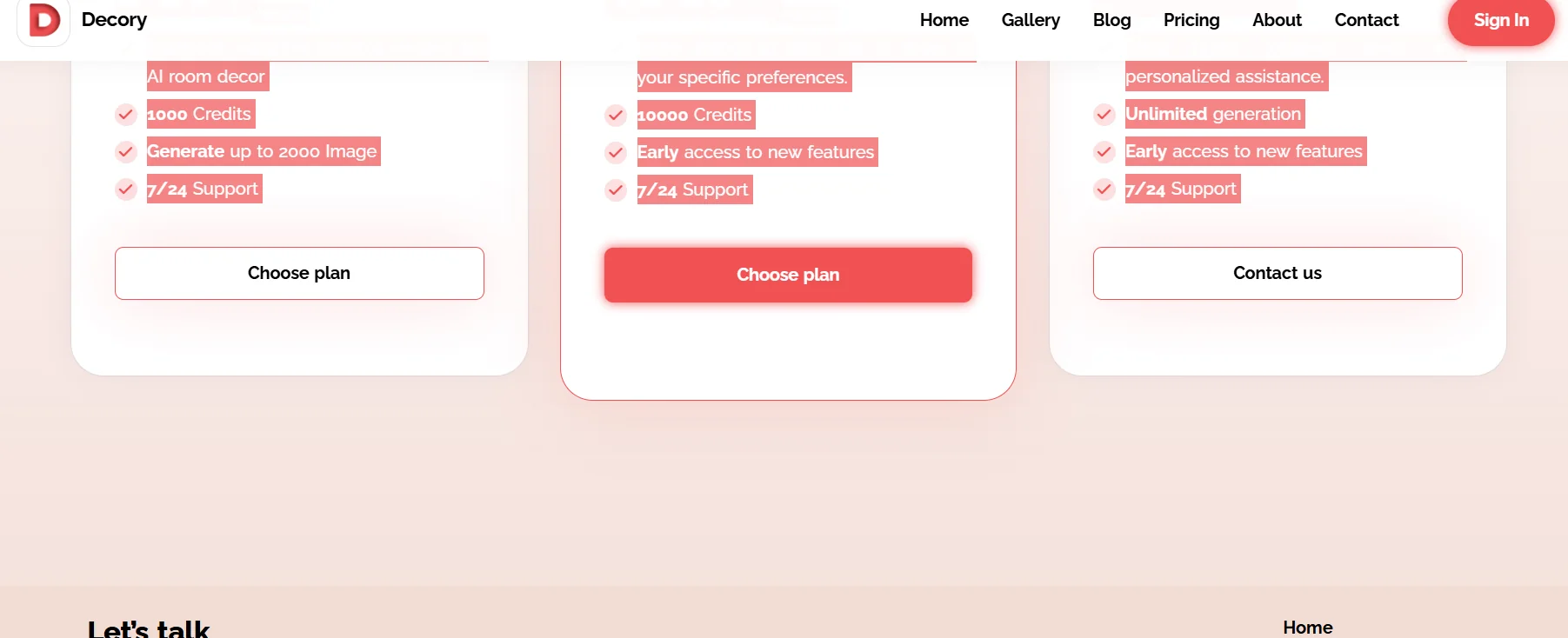
Decory AI is a very recent tool in the field of interior design, announced about five days ago, making it one of the newest options available to users. The tool allows for intelligent room planning, with the ability to design, edit, and share interior room layouts easily and quickly. An important feature is that it supports the Arabic language and provides an Arabic user-friendly interface, and is available for download on iOS and Android systems, with a free version and paid subscription options. The tool also allows you to edit a specific part of the room, such as a specific wall or corner, without having to redesign the entire space, which makes it suitable for users who want quick and accurate edits. Why do I recommend it? Because it's new compared to other options, giving you the opportunity to take advantage of updated technologies, supports Arabic, and focuses on smart interior design rather than simple decorating, making it suitable for professional designers or personal use. Notes before you get started: Due to its recent launch, you may experience some limitations or bugs, so it's recommended to try the free version first. It is also advisable to check subscriptions and costs if professional or commercial use, try uploading an image of your real room to test the responsiveness of the tool, and check the export options or save the design in a format that can be implemented later (such as a plan or a high-quality image).
The Figma Community features an extensive library of community-created resources, including files, libraries, plugins, icon sets, and more, with the ability to search for resources such as portfolios. It also offers Skills—reusable instructions for the Figma Agent that help speed up work—allowing you to browse skills created by the community or publish new ones, including “document-component-migration” by Brett McMillin with counts of 70 and 70, “balise-ux-writing” by Steven H-A with 172 and 326, “catch-me-up” by Cai Charniga with 46 and 154, “camera-pan-and-zoom” by the Figma Community with 155 and 301, and “usability-test-guide” by the Figma Community with 419 and 723 views, and “create-anatomy” by Ian Guisard with 211 and 390 views. Figma Make also allows you to create apps, websites, and prototypes that can be remixed using prompts; examples include Fortune Cookie! From Da Wei, which is free with 3.7k and 23.9k views; “Interactive Eye-Following Card” by Thierry, which is free with 8.5k and 37k views; “Shader Reminder” by Daniela Muntyan, which is free with 7k and 26.3k views; “Button effect” by Soundharya M, which is free with 3.8k and 19k views, and “Minimalist sidebar component” by Joshua Guo, which is free with 2.6k and 58.9k views; and “3D ASCII Model Viewer” by Daniel Destefanis, which is free with 2.3k and 13.7k views. It also offers Figma Weave, a suite of AI-powered tools that can be run within Figma to generate, edit, and automate creative work, including “Texturize” with 74 and 6.4k views, On-brand icons with 70 and 5.3k, Generate mockup with 44 and 5.1k, Sticker pack with 31 and 4.9k, Grainy airbrush with 50 and 4.9k, and “Image to vector” with 41 and 4.7k, "Monochrome pixel art" with 36 and 4.6k, "Transfer style" with 17 and 3.8k, "Product shoot" with 19 and 3.1k, and "Stamp machine" with 28 and 2.9k. The platform also showcases a selection of its favorite content creators, including Miggi from Figgi, associated with Data Mosh Shader and Maker Week Beat Maker; Adanna O. who is associated with “Free Shadow Icons,” Daniela Muntyan, associated with “Config 26 Motion Deep Dive Examples” and “Ripple Effect Prototype,” ˗ˏˋ rogie ˎˊ˗, associated with “Dither yourself” and “Clippy — Add attachments to your Figma files!”, and Bruno, associated with “Implementing Accessibility in Design Systems — EDIT & IxDA Meetup” and “What’s in a Portfolio — 101 Booklet,” and Vic, associated with “Component Properties (Case Study)” and “Bead patterns.” Figma also features partners from resource providers, including Apple, which showcases macOS 27 and iOS and iPadOS 27; Material Design, which showcases Slots Playground and Personalized theme and brand with Material 3; and Microsoft, which showcases Measurements and Microsoft Store Asset Guidance.
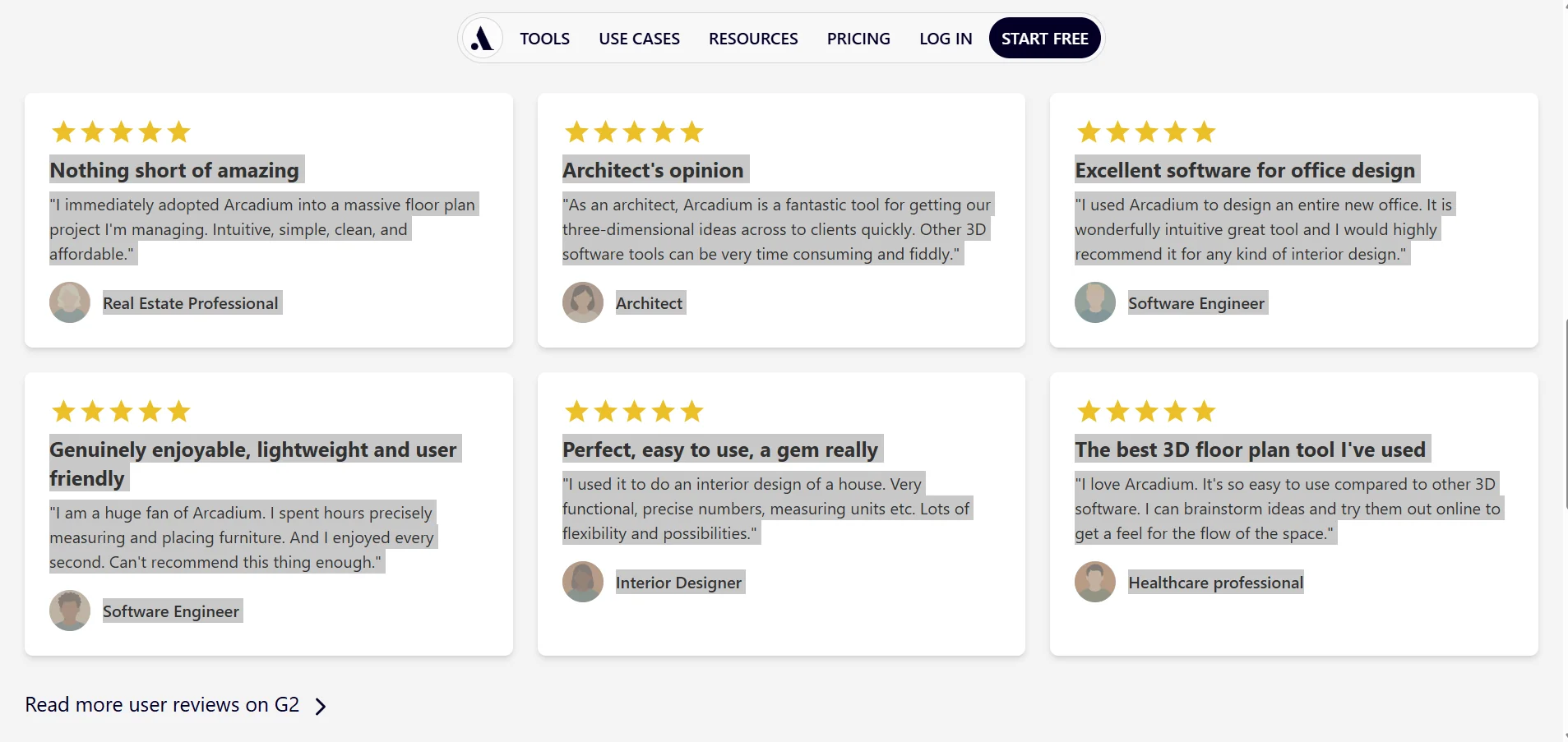
Arcadium 3D enables you to quickly create 2D floor plans and turn them into a 3D design, with a huge library of furniture, models and materials. It works directly in the browser without the need to download software, and allows you to switch between 2D and 3D views, add furniture, windows, doors, and adjust lighting with ease.
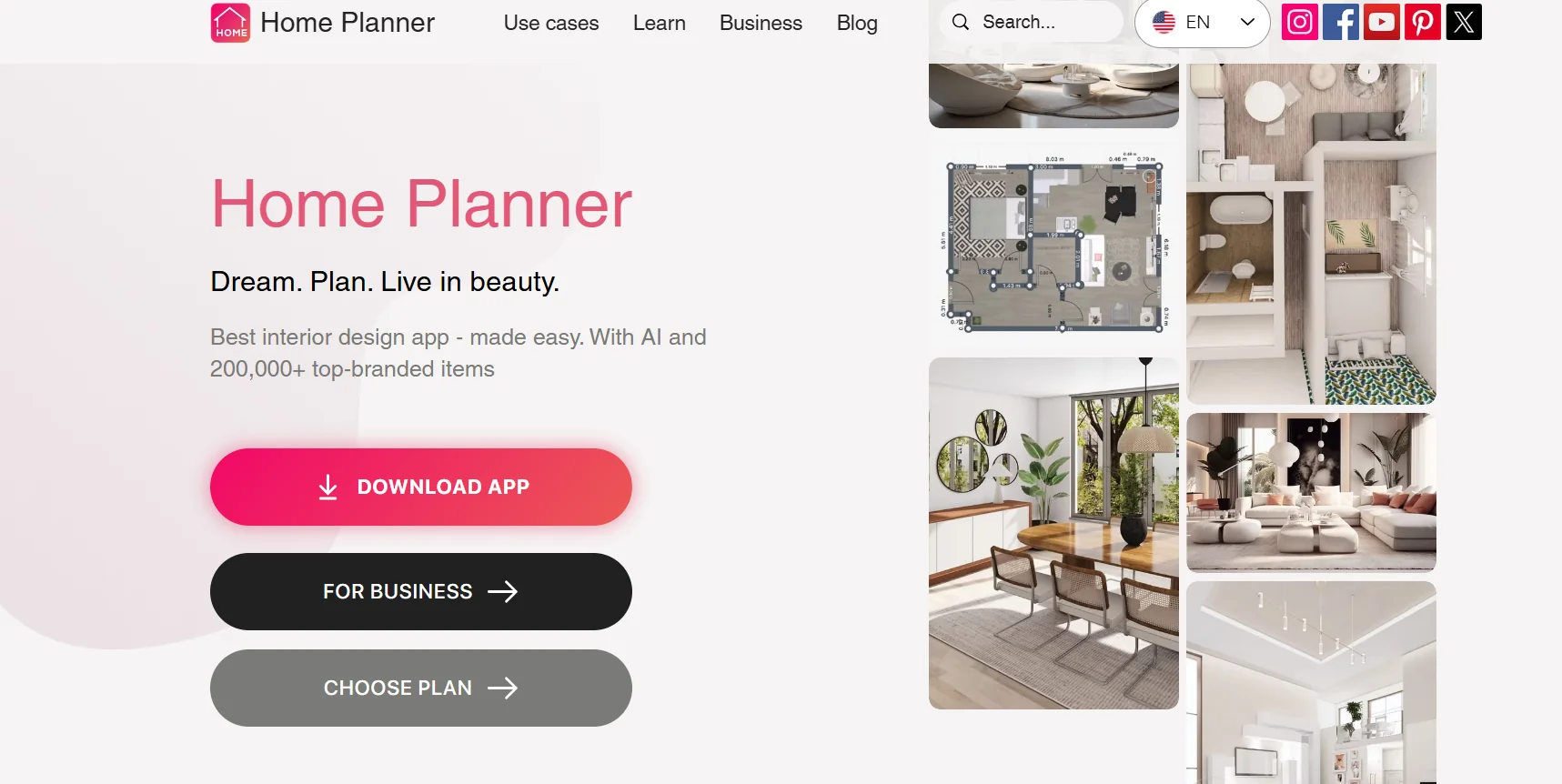
Home Planner is a platform and app for designing rooms and homes and creating 3D layouts of indoor and outdoor spaces. It is designed for homeowners, beginners, and designers, and requires no prior design experience. It allows users to create detailed layouts, freely arrange furniture and other elements, and preview the 3D design before making changes in real life. According to the official website, the platform is trusted by more than 30 million users and has high ratings across app stores.
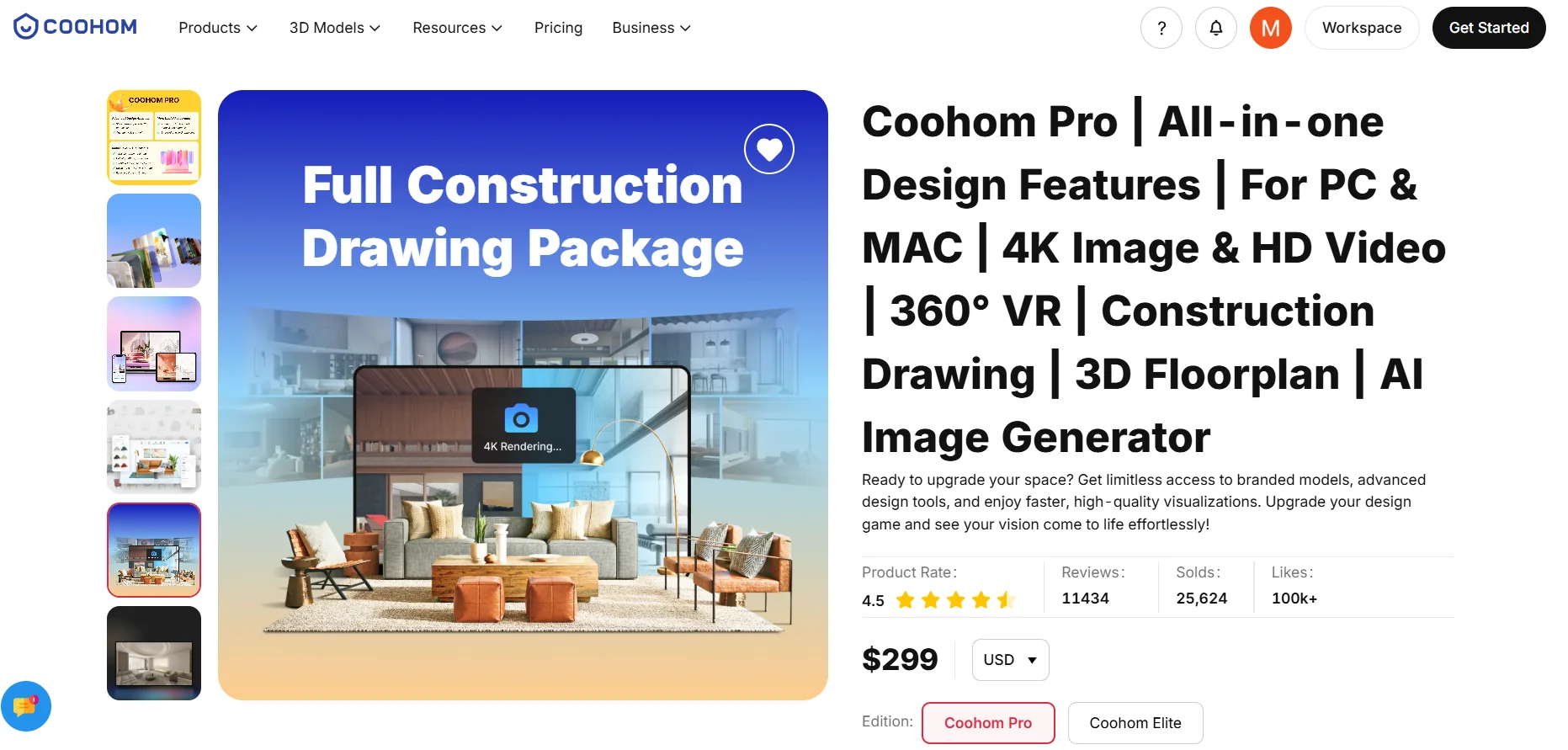
Coohom is an integrated platform for interior design, home design, 2D and 3D planning, and photorealistic rendering, It allows users to create floor plans and convert them into editable 3D environments, with a large library of models, furniture, and 3D elements. It also provides AI-powered tools for home and room design and remodeling. The platform supports the creation of high-resolution visualizations and renderings, as well as interactive presentations and panoramic tours.
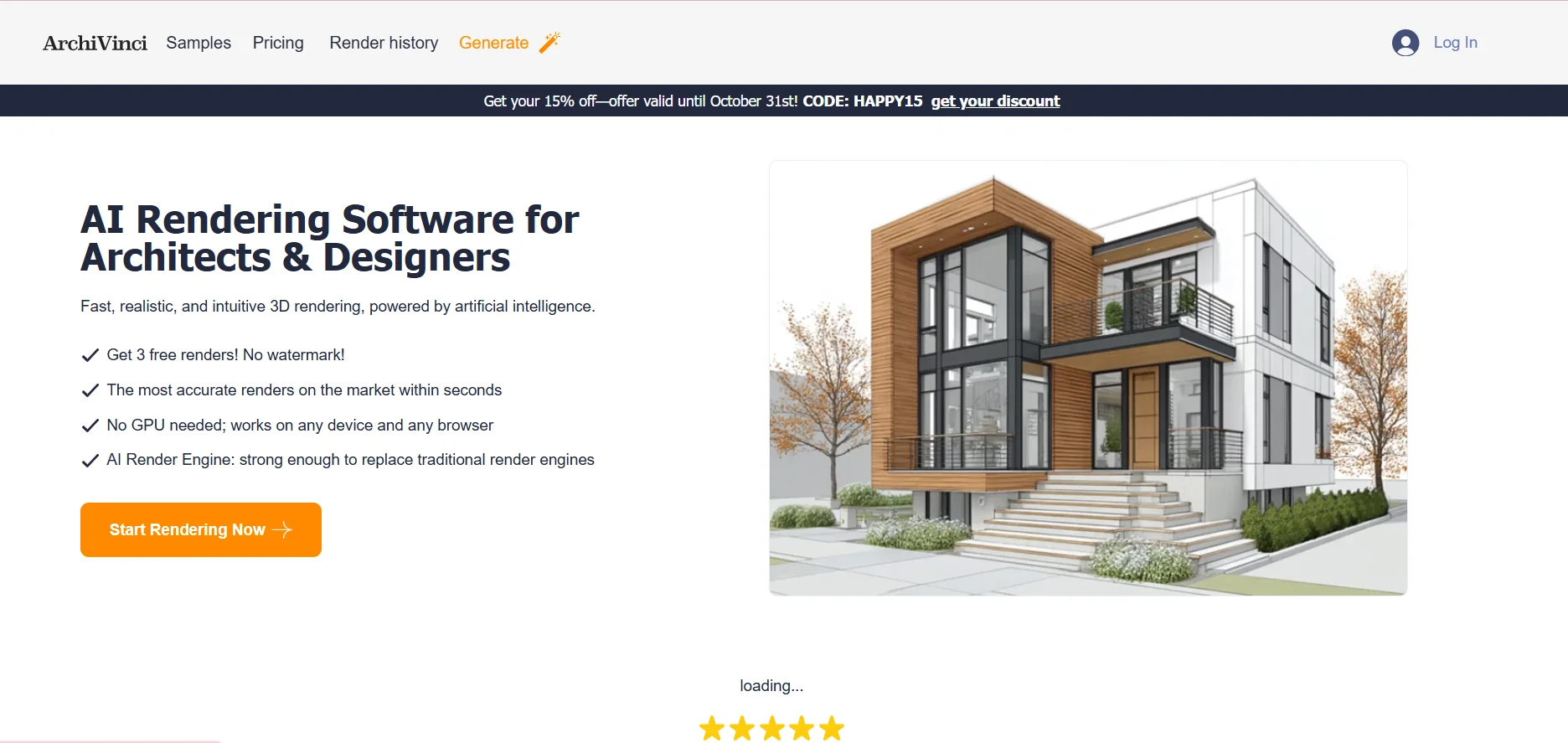
ArchiVinci is a platform specializing in AI-powered architectural visualization and rendering, designed for architects, interior designers, and other design professionals. It allows users to convert sketches, photos, floor plans, and 3D models into realistic visualizations in seconds. It runs in a web browser without requiring a GPU and offers three free watermark-free renderings to get started.
mnml.ai is an AI-powered workspace for architectural visualization and interior design that allows users to transform preliminary sketches, 3D models, and ideas into realistic visualizations ready for presentation to clients. The platform clarifies that users retain ownership of their work and offers free credits upon registration without requiring a credit card. It notes that it is used by more than 2.5 million architects and designers, including teams at Gensler, SOM, HOK, OMA, and Nikken, as well as universities such as Harvard, Yale, Columbia, UCLA, and Pratt.

DecorMatters is a home, room, and interior design app that combines room design tools, artificial intelligence, augmented reality (AR), and a global community for sharing and exploring interior design ideas.

Havenly is a platform specializing in interior design and home styling, offering users several ways to turn their ideas into practical designs—from using Havenly AI for free, to collaborating with a professional interior designer online or hiring an in-person designer. The platform allows users to identify their design style through a style quiz and then choose a suitable designer from the recommendations provided.

Modsy is a platform specializing in interior design and 3D visualization, allowing users to convert photos, room measurements, or floor plans into a 3D model of the space, and then create realistic interior designs using furniture and decor. The platform allows users to visualize the proposed space before purchasing furniture or making changes to it.
HomeByMe is an online platform for 3D interior planning and design that allows users to create 2D floor plans, then furnish, decorate, and view them in 3D, with the ability to generate realistic, high-resolution images up to 4K. The official website describes the platform as a free home design tool that combines 2D floor plan creation, 3D design, and realistic visualization of the project.

Spacely AI Spacely AI allows users to upload photos of their rooms or spaces to be designed, then select a specific design style to quickly generate realistic interior designs. The tool includes features such as automatic furniture coordination, image optimization, high-quality retouching, and a special mode for arranging designs.

Pippit AI is an AI-powered creative platform designed to simplify and accelerate the production of marketing and visual content. It enables users to create professional videos and images, design posts and ads using social media templates, automate social media editing, convert links, files, and images into visual content, and create videos using AI Avatars.

Blender is free and open-source software for creating 3D content, and no monthly or annual subscription is required to use the core program. The software is licensed under the GNU GPL, which allows users to download, use, and modify it without paying any license fees.

Planner 5D allows users to easily create realistic interior and exterior architectural designs via a drag-and-drop interface. Users can build homes, offices, gardens, and rooms in high resolution, with the ability to view them in 3D or panoramic view, and share them with others. The tool supports working across web browsers, phones, and different operating systems.

Rokoko Create is a platform for creating 3D animations based on videos or text descriptions, with the ability to edit the animations within Rokoko Studio and then export them to the final 3D graphics engine. It allows users to upload a video or enter a text description to create the animation, without the need for specialized hardware.